
 English
 русский
 Français
 Español
 Português
 عربى


Zhoushan Jinxin Auto Parts Co., Ltd. — Molded Foam Division
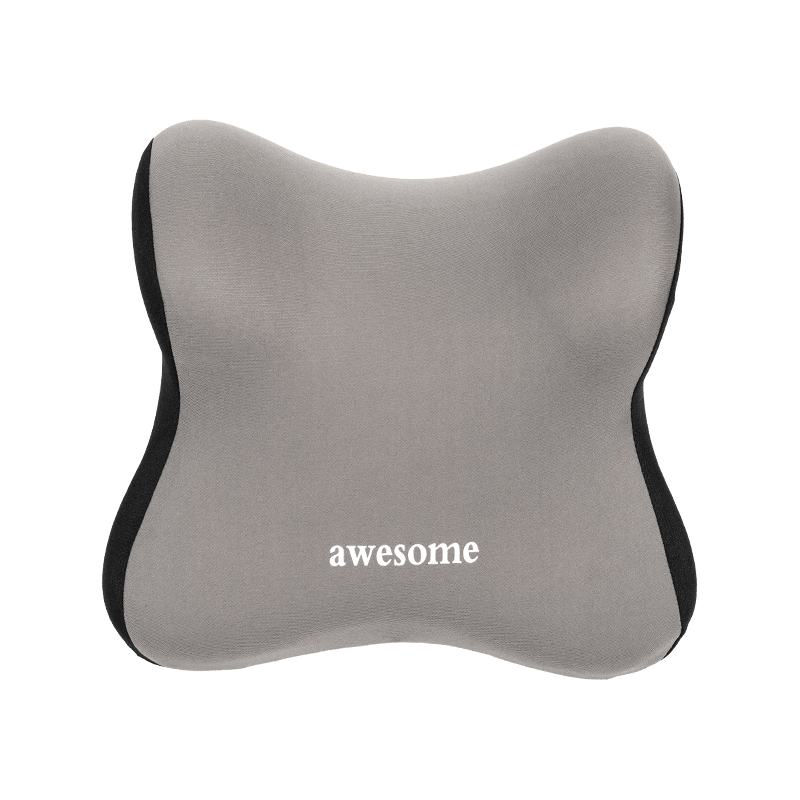
Automotive Neck & Lumbar Support Molded Foam
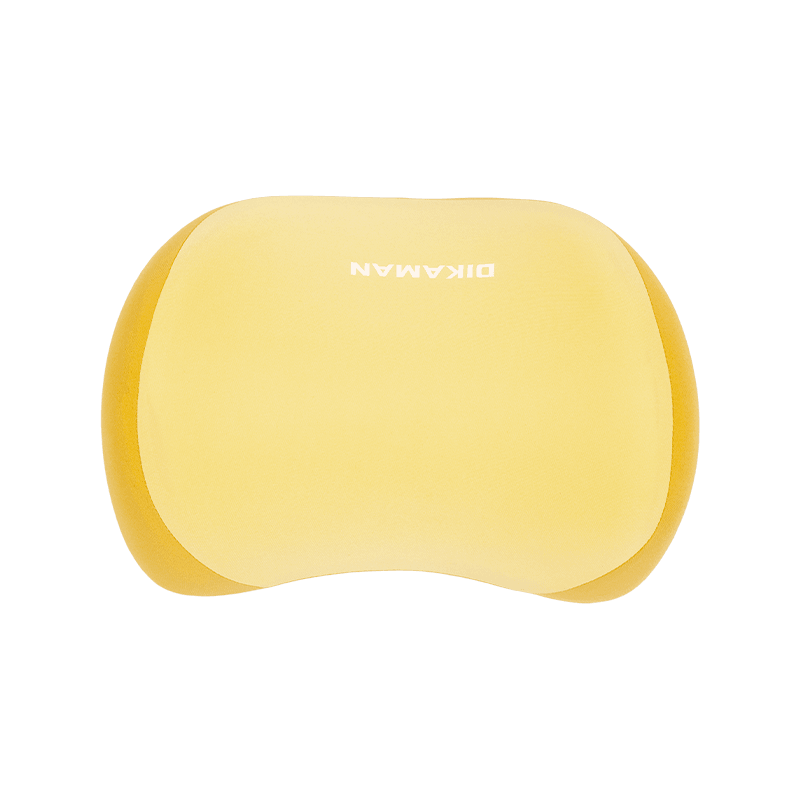
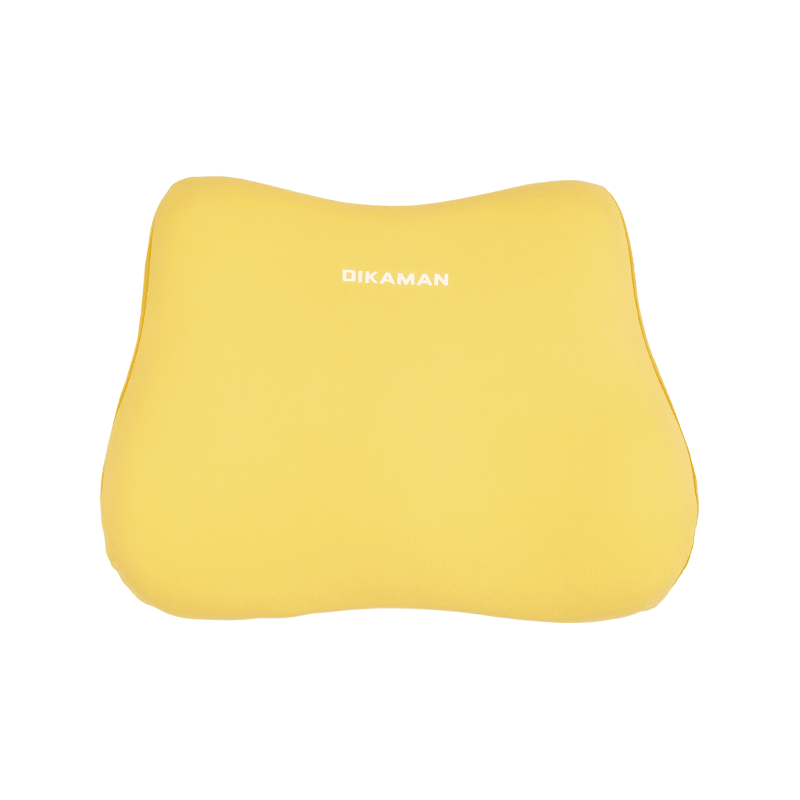
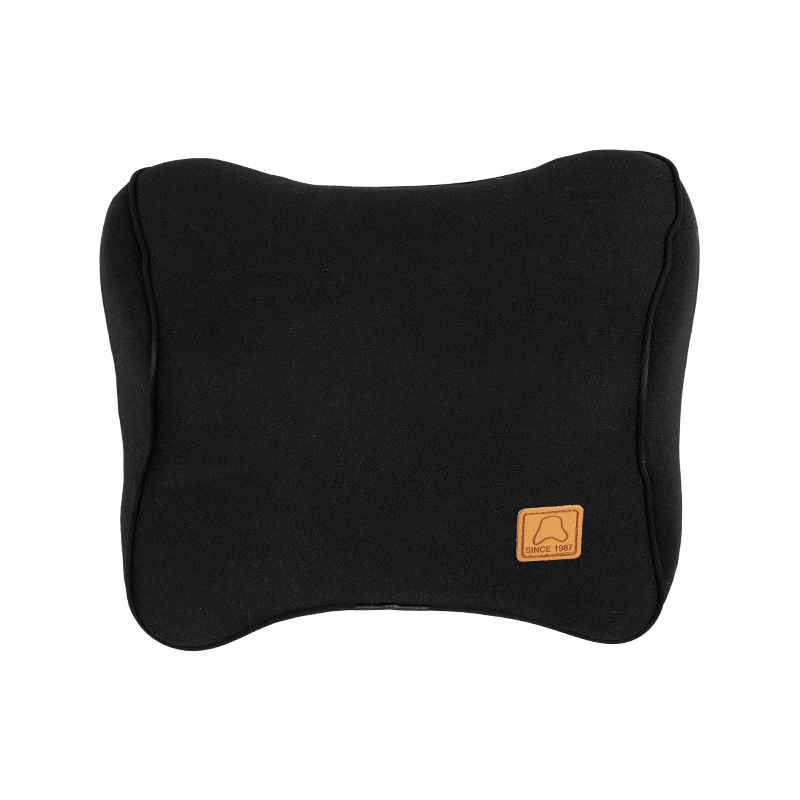
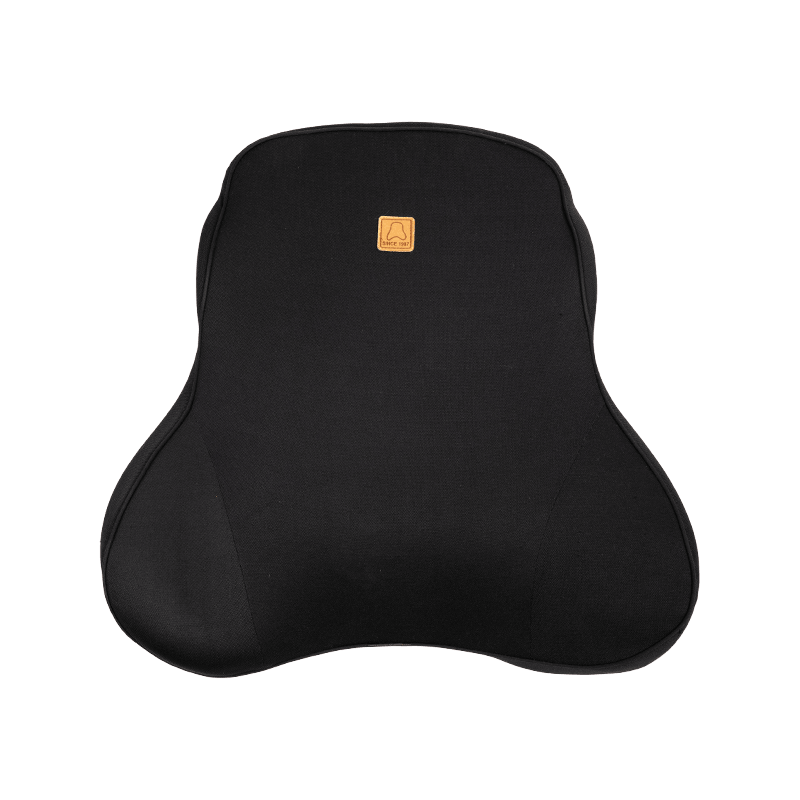
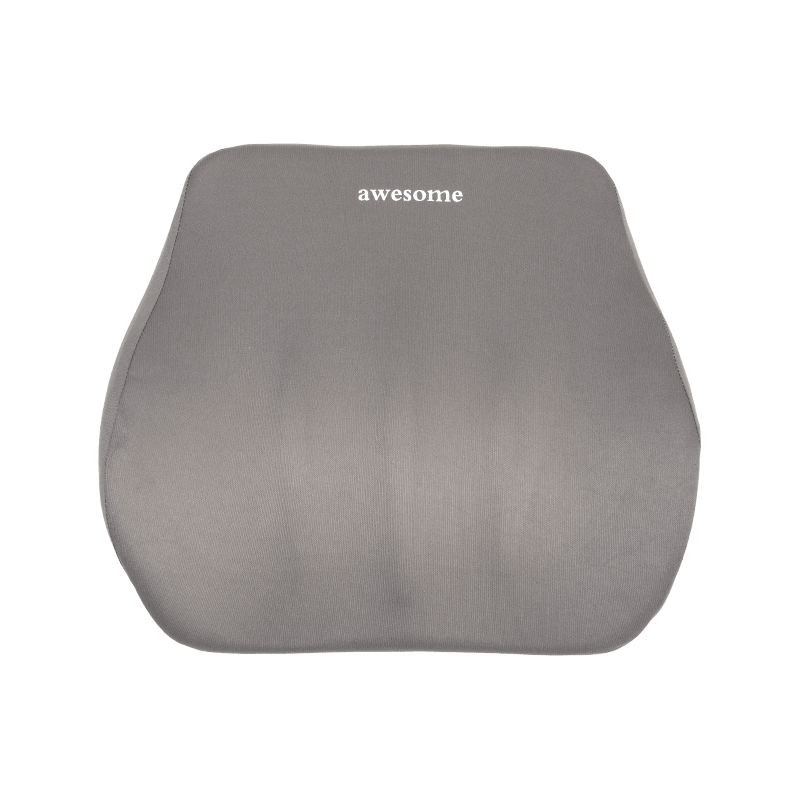
Precision-molded polyurethane foam components for head restraint, neck pillow, lumbar cushion, and orthopedic seat comfort systems in passenger car, commercial vehicle, and specialty vehicle applications.
Company Background and Molded Foam Focus
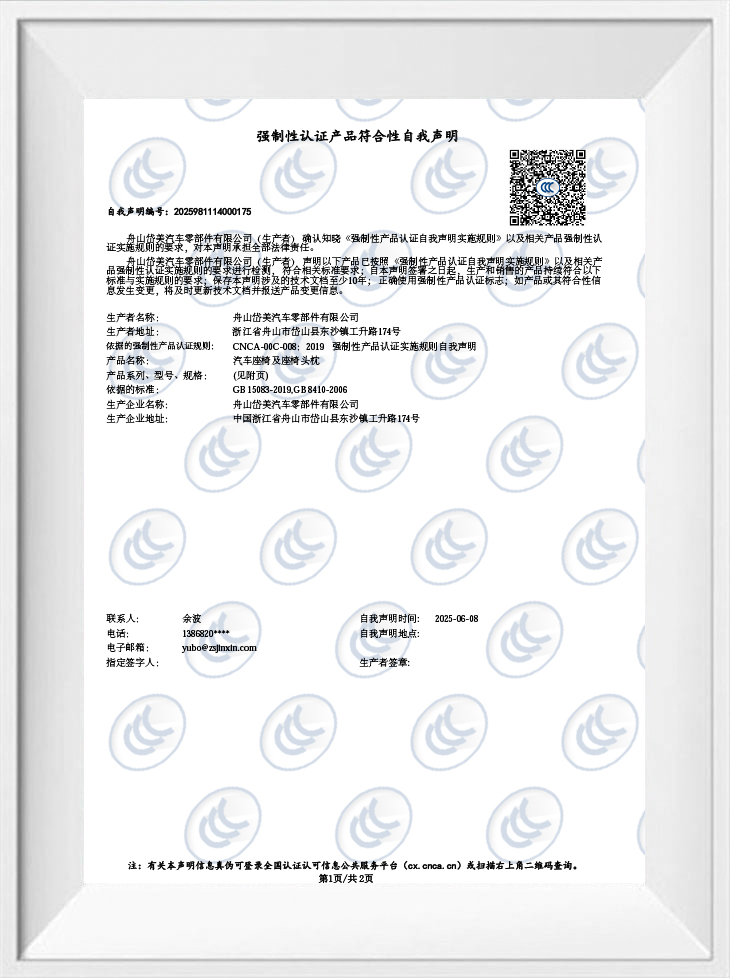
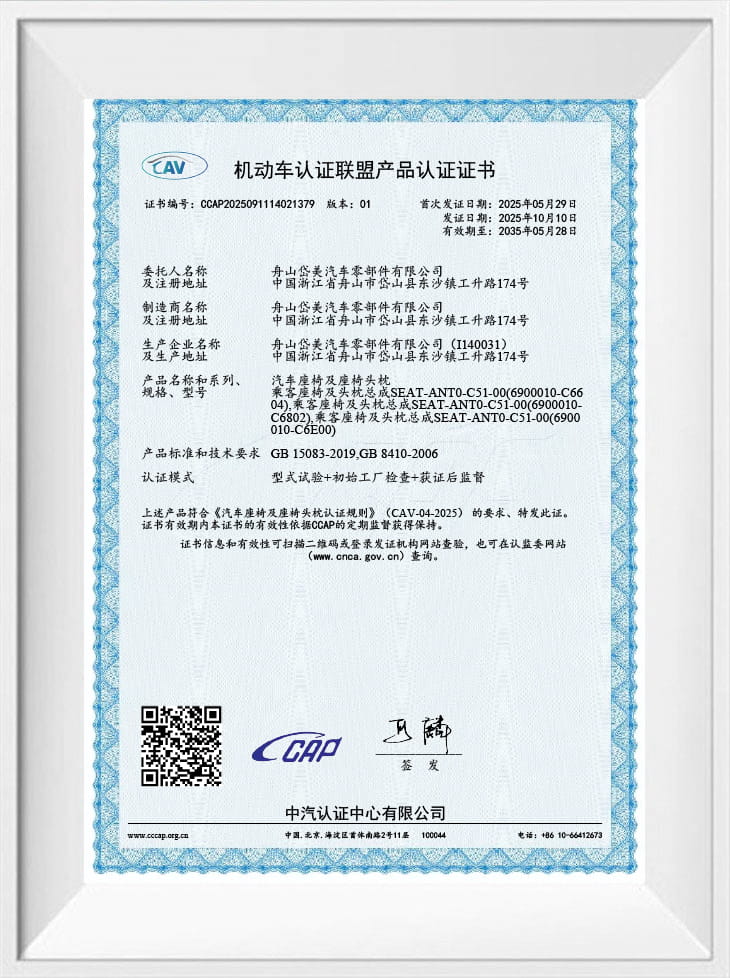
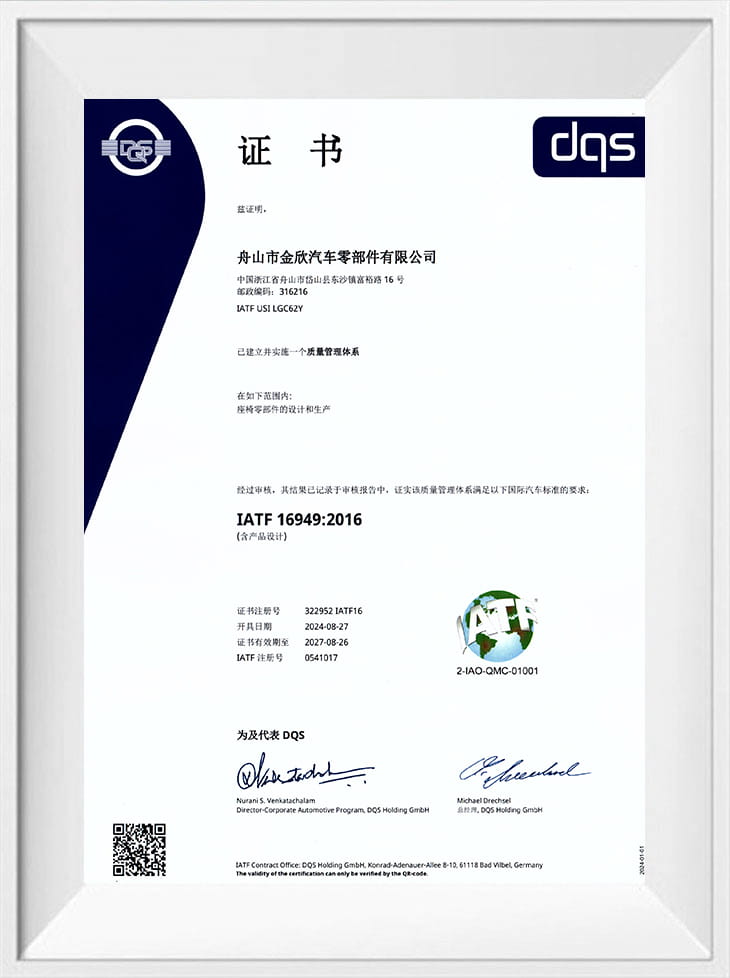
Zhoushan Jinxin Auto Parts Co., Ltd. has manufactured molded polyurethane foam components for automotive seating since 2000. Our factory in Daishan County, Zhoushan City, Zhejiang Province, produces automotive neck support foam and lumbar support foam through cold-cure molded polyurethane technology. The company holds IATF 16949:2016, CCC, and ISO 14001 management system certification, and supplies seating foam components to Dongfeng, Lear, Geely, and other global OEMs. Annual sales are approximately RMB 150 million, with a factory area and technical staff scale that support global seating programs.
The automotive neck and lumbar support molded foam series covers a wide range of seat comfort components: contoured neck pillows, headrest foam cores, lumbar cushion pads, orthopedic backrest support inserts, and dual-density cushions used in driver seats, passenger seats, rear seats, truck bunks, and specialty vehicle seating. These components are produced from polyurethane reaction molding, allowing precise three-dimensional geometry with controlled density and hardness distribution.
Customers including seat system integrators, commercial vehicle manufacturers, specialty vehicle converters, and aftermarket comfort product brands work with our team to develop foam components that meet vehicle-level comfort, durability, and safety requirements.
Molded Foam Neck Support Product Series
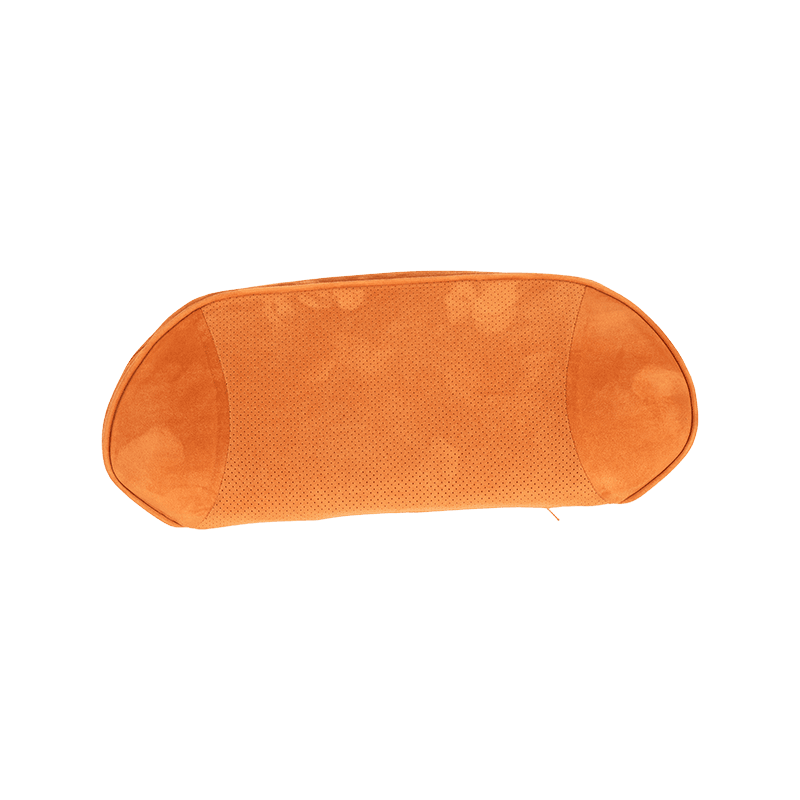
The automotive neck pillow foam factory capability covers headrest and neck support geometries used in front seats, rear seats, truck sleeper cabins, and specialty vehicle seating. Neck support foam is molded to follow the natural curve of the cervical spine, providing a resting surface that reduces muscle strain during long-distance driving. Cold-cure molded polyurethane allows the production of neck pillow forms with smooth compound curves, integrated wire channels for headrest stay rods, and attachment slots for trim covers.
- High-resilience PU foam for standard headrest and neck pillow applications, balancing support and rebound
- Viscoelastic memory foam formulations for pressure-relieving neck cushions with slow recovery
- Dual-density neck support components with a soft cervical contact zone and firmer structural sides
- Headrest foam cores with integrated passageways for headrest stay rods and adjuster mechanisms
Neck support foam parts are produced as a single molded piece or as part of a headrest assembly that includes a steel frame and trim cover. Parts can be formulated to meet automotive interior flammability requirements, and low-VOC formulations can be selected to support passenger cabin environmental targets.
Molded Foam Lumbar Support Product Series
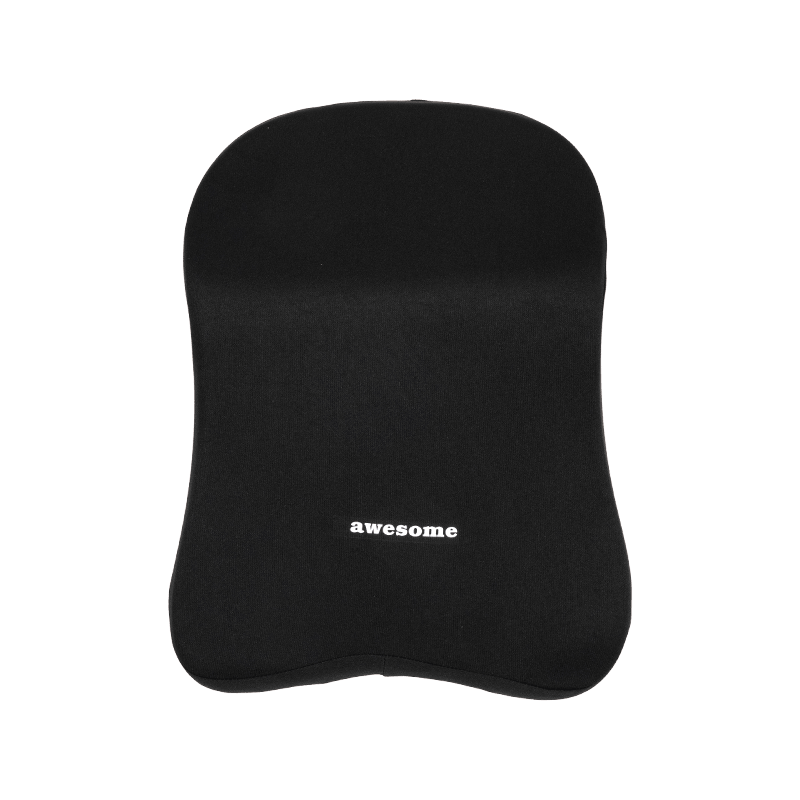
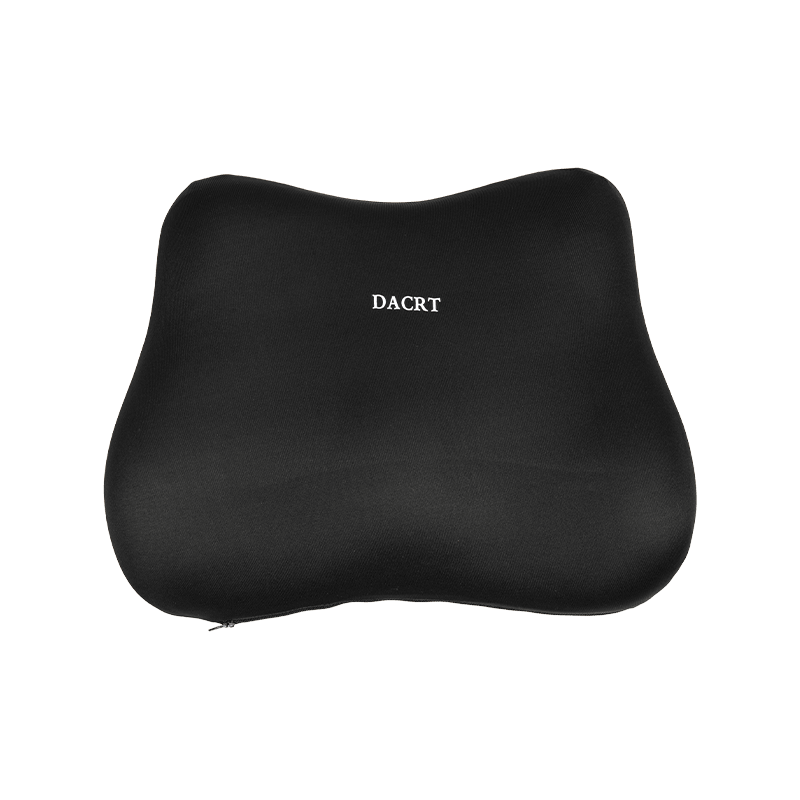
As one of the China car lumbar support foam manufacturers, we produce lumbar cushion cores that support the natural inward curve of the lower spine. Lumbar support molded foam is installed inside a seat backrest structure or used as an add-on cushion in fleet and aftermarket applications. The molded shape holds the lumbar pad in position during vehicle vibration and cornering, preventing the foam from shifting inside the trim cover.
Lumbar foam components are available with a range of density and hardness values. For orthopedic effect, the lumbar support zone is molded firmer than the surrounding seat foam, creating a progressive support profile. Our multi-density molding capability allows a lumbar cushion to be produced with a firm center zone and softer perimeter in one molding step, eliminating the hard edge effect that occurs when separate foam pads are adhesively assembled.
The orthopedic car lumbar cushion foam factory program covers several lumbar support types:
- One-piece lumbar cushions that attach inside the backrest trim cover
- Lumbar support inserts for seats with four-way power lumbar adjusters
- Dual-density orthopedic cushions for long-haul commercial vehicle drivers
- Contoured lumbar pads for specialty vehicle and bus seating applications
For seats with active ventilation or heating functions, lumbar foam components can be molded with air channels, cutouts for heating pads, or recesses for pneumatic lumbar bladders. Interface details and trim attachment requirements are confirmed with the customer before tooling begins.
Custom Development and OEM Program Support
As a custom car lumbar support foam factory, we support OEM and ODM programs from the initial concept stage. Customers provide 2D drawings, 3D CAD data, or a sample part, and our development team evaluates the geometry, density targets, hardness requirements, attachment features, and application. Tooling is designed for the specific component, and molded samples are produced for dimensional and physical testing before series production.
The following information is typically needed to define a custom neck or lumbar support foam component:
- Vehicle application and seating position: driver, passenger, rear seat, bunk, or specialty seat
- Seat architecture and trim cover interface geometry
- Part geometry in 2D drawing or 3D data format
- Target density and hardness values for the specific body support zone
- Functional interfaces such as ventilation channels, heating pad recesses, pneumatic bladder pockets, or headrest stay passages
- Anticipated annual volume and delivery schedule
For components used with electrically adjustable lumbar supports, the foam part must match the mechanism geometry and allow the lumbar pad to move without binding. Our engineering team confirms the mechanism travel range and load characteristics with the customer during the development phase.
Cold-Cure Molded Polyurethane Manufacturing Process
The process used for most neck and lumbar support foam components is polyurethane cold-cure molded foaming. Two main liquid components — polyol and isocyanate — are mixed in precise proportions and injected into a closed mold preheated to 50–65°C. The foaming reaction and cross-linking cure occur inside the mold, and the finished foam part is demolded after a 4–8 minute molding cycle.
Formulation design determines the performance of the finished component. The molecular weight and functionality of the polyol influence cross-linking density and elasticity. The addition of grafted polyether polyol, also known as polymer polyol, controls hardness and load-bearing capacity. The catalyst system, typically a compound of amine and tin catalysts, balances the foaming and gel reactions, while the blowing agent dosage determines foam density.
For lumbar support foam, higher firmness is achieved by increasing the polymer polyol content. Neck pillow foam uses lower-density, softer formulations for comfort. Multi-density zoning technology uses a multi-channel mixing head to inject different formulation reaction mixtures into different areas of the mold, creating a single component with gradient hardness — for example, a soft center and firm side bolsters in a lumbar cushion — without subsequent adhesive assembly.
Environmental targets are addressed through low-VOC formulations, bio-based polyol substitution, and all-water foaming technology. The molding line is supported by online three-dimensional laser profiler inspection, with dimensional accuracy verified as part of the production process. A complete molded foam production line can achieve an annual capacity of more than two million units, with individual molding cycles controlled between four and eight minutes.
Technical Performance Indicators
The following table summarizes typical molded foam performance ranges for automotive neck and lumbar support components. These values are reference ranges for polyurethane cold-cure molded foam. Final specifications must be confirmed for each program and are documented in the engineering agreement.
| Parameter | Typical Range | Notes |
|---|---|---|
| Foam density | 38–65 kg/m³ | Adjustable by formulation; lower density for neck pillows, higher for lumbar support |
| Resilience | >60% | High-resilience PU grades; memory foam grades differ |
| Compression set | <7% | Measured after constant pressure testing |
| Tensile strength | >150 kPa | Minimum typical value for automotive molded foam |
| Tear strength | >4.5 N/cm | Minimum typical value for automotive molded foam |
| Mold temperature | 50–65°C | Preheated closed mold in cold-cure process |
| Molding cycle | 4–8 minutes | Includes reaction, cure, and demolding |
Skin thickness and surface hardness for integral skin foam apply to exposed components such as armrests and headrest surfaces. Neck and lumbar support foam parts are normally installed under a trim cover, so the porous foam structure is the functional surface.
Quality Management and Product Verification
Zhoushan Jinxin Auto Parts Co., Ltd. operates under IATF 16949:2016, CCC, and ISO 14001 certification. These management systems cover product development, mold maintenance, production process control, dimensional inspection, and environmental compliance. The company has supplied foam and seat components to Dongfeng, Lear, Geely, and other global OEMs since its founding in 2000.
For each molded foam program, the quality plan includes incoming material verification, process parameter monitoring, demolded part inspection, and dimensional measurement. Physical testing of molded foam parts is performed according to automotive material standards, including density, resilience, compression set, tensile strength, and tear strength. The specific test plan depends on the customer's requirements and the vehicle program, and exact acceptance criteria are documented during the program confirmation stage.
Frequently Asked Questions
Q1: What is the difference between neck support molded foam and lumbar support molded foam?
A: Neck support foam is molded for cervical support, usually with softer formulations and contoured shapes that follow the head restraint position. Lumbar support foam is molded for lower spine support, typically using firmer density and a progressive support profile. Both use the same cold-cure molded polyurethane process, but the geometry, density, and hardness are adjusted for the body region and seat architecture.
Q2: Can a lumbar support cushion be produced with multiple densities in a single molded component?
A: Yes. Multi-density zoning allows different polyurethane formulations to be injected into different areas of the same mold through a multi-channel mixing head. This produces a single component with gradient hardness, such as a firm center support zone and softer edges, without adhesive assembly.
Q3: What information does the factory need from the customer to start a custom molded foam program?
A: Our engineering team needs the vehicle application and seating position, seat architecture and trim interface, part geometry in 2D drawing or 3D data format, target density and hardness, any functional interfaces such as heating or ventilation cutouts, and the anticipated annual volume. This information is used to design tooling and the foam formulation.
Q4: How is dimensional accuracy controlled in molded foam production?
A: Dimensional accuracy is monitored through online three-dimensional laser profiler inspection on the molding line, and CMM verification is used on critical measurement points where required. Final tolerance requirements are defined with the customer during the program confirmation stage.
Q5: Which quality certifications does the company hold?
A: The company holds IATF 16949:2016, China Compulsory Certification (CCC), and ISO 14001 environmental management certification. These cover automotive quality management, product safety, and environmental compliance.
Summary
Zhoushan Jinxin Auto Parts Co., Ltd. is a manufacturer of automotive neck and lumbar support molded foam components in Zhejiang, China. The company operates cold-cure molded polyurethane production lines, supports multi-density molding, and provides OEM/ODM development for neck pillows, lumbar cushions, and orthopedic seat comfort parts. Supply relationships with Dongfeng, Lear, Geely, and other global OEMs, together with IATF 16949, CCC, and ISO 14001 certification, establish the quality baseline for seating foam programs worldwide.
