
 English
 русский
 Français
 Español
 Português
 عربى


Zhoushan Jinxin Auto Parts Co., Ltd. — Molded Polyurethane Foam Division
Integral Skin Foam Components and Subassemblies
As China integral skin foam manufacturers and an integral skin foam products factory, Jinxin produces polyurethane integral skin foam components for automotive seating, specialty vehicle interiors, medical equipment, office seating and industrial operator environments. Our facility supports OEM/ODM projects with in-house formulation, molding, finishing and inspection processes. For procurement teams that need dimensional, tactile and structural properties tailored to a vehicle program, a custom integral skin foam factory provides the necessary control over tooling, chemistry and process parameters.
Integral Skin Foam Technology
Integral Skin Foam (ISF) is a specialized polyurethane reaction molding technology capable of forming a dense, non-porous skin and a porous elastic core in a single process step. This allows molded parts to be used directly as exterior components without painting, wrapping or covering. The core principle is the temperature gradient on the mold surface. When the reaction mixture contacts a mold surface maintained at 40 to 55°C, the vapor pressure of the physical blowing agent decreases near the wall. Bubble nucleation is suppressed in the boundary layer, and a dense polyurethane skin forms within the first 1 to 2 mm from the mold surface. In the warmer core region, the foaming reaction proceeds normally and creates a porous, elastic structure.
Because the skin and core are formed from the same continuous polymer network, they are chemically bonded. There is no adhesive interface and therefore no risk of delamination. The skin thickness of an integral skin foam component can be precisely controlled between 0.8 and 2.5 mm by adjusting mold temperature and formulation. Surface hardness can be regulated between Shore A 55 and 88, depending on the application. The surface texture reproduction precision can reach 15 μm, which is sufficient to replicate the pore texture of natural leather or custom geometric patterns.
In-mold coloring eliminates the risk of coating wear exposing a different substrate material underneath. The color is part of the molded skin itself, which makes the part suitable for high-contact interior locations. UV stability is achieved through a combination of HALS and benzotriazole-type UV absorbers. In accelerated aging tests, these formulations maintain a color difference of delta E below 2.0 after 2,000 hours of QUV exposure.
Typical references for this technology include steering wheels with a skin thickness of 2.0 to 2.5 mm and a Shore A hardness of 75 to 80, armrests with a Shore A hardness of 55 to 65 and abrasion resistance greater than 120,000 Taber cycles, and gear shift knobs. These examples show how integral skin foam combines durability, tactile quality and dimensional stability in exposed interior applications.
Available Integral Skin Foam Product Series
Our integral skin foam product line covers both simple pads and complete component assemblies. The products we manufacture are designed to meet different load, ergonomic and environmental requirements.
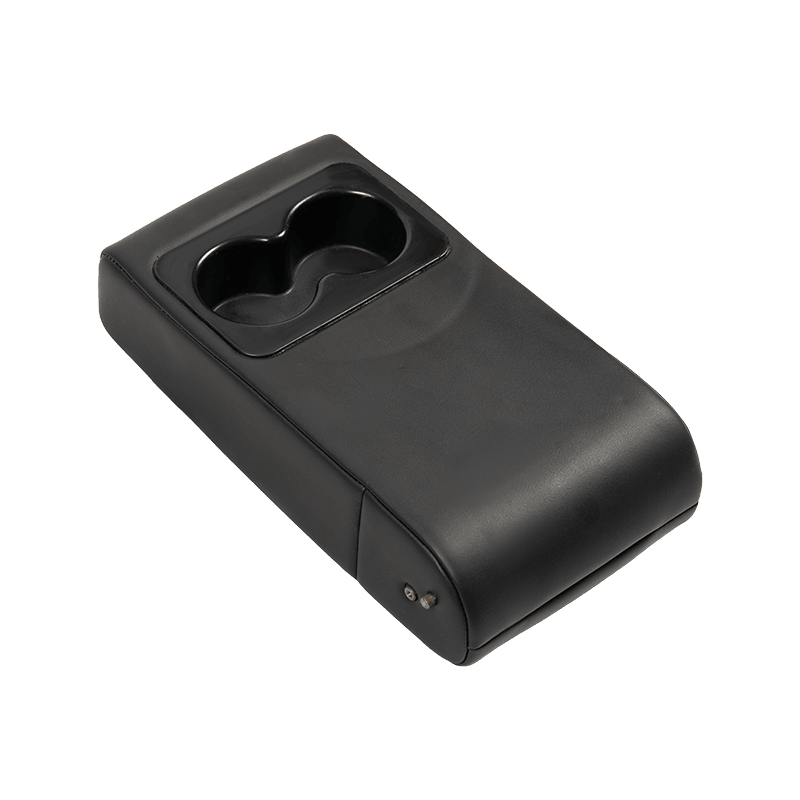
High-Density Flexible PU Armrest Pads
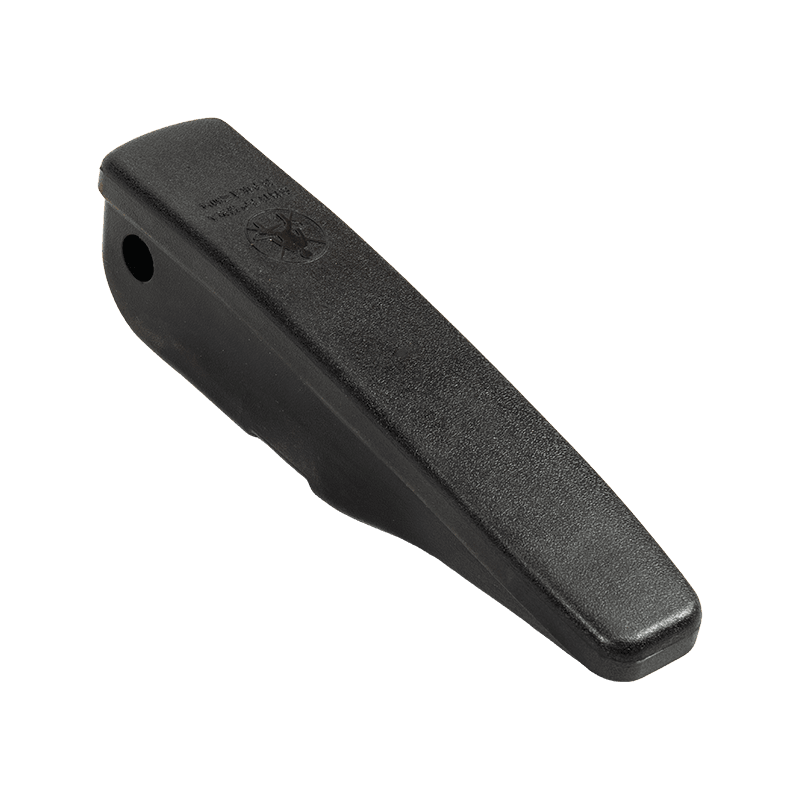
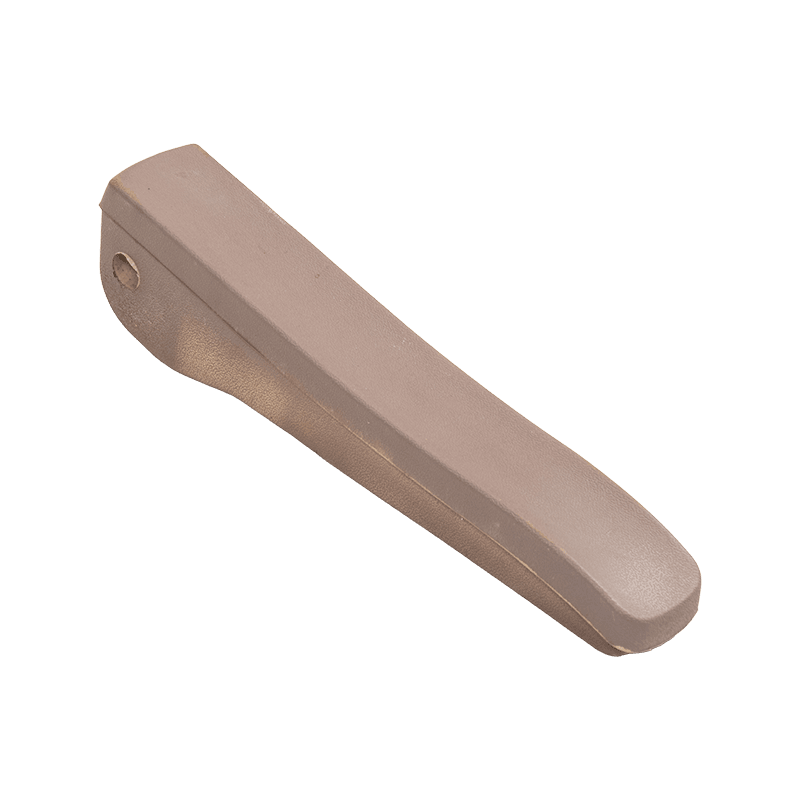
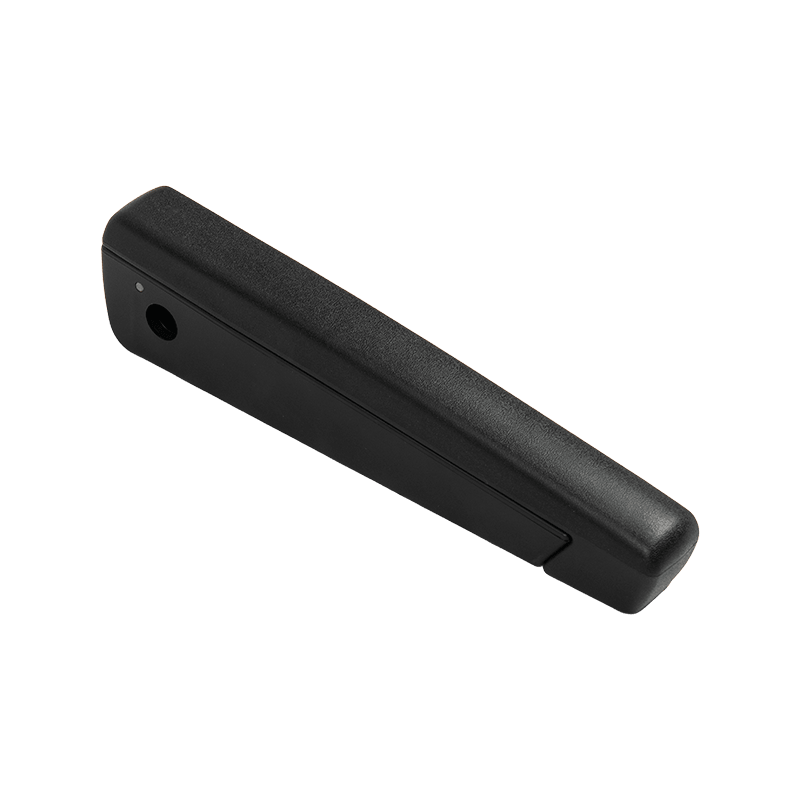
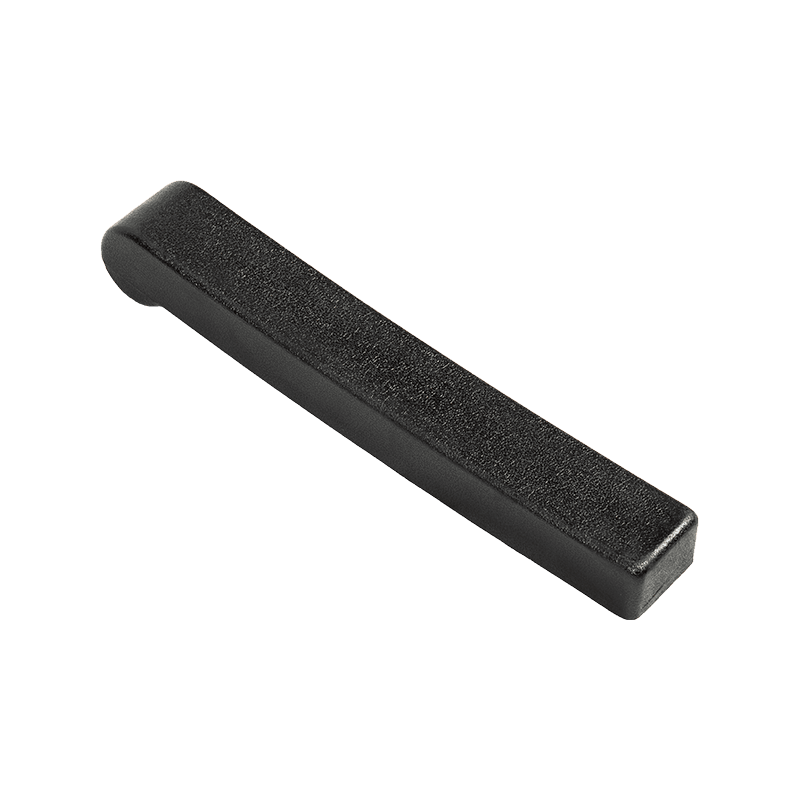
An elongated, continuous arm support surface with a custom-welded internal structural frame. Available with outer skin density of 450 to 600 kg/m³ and Shore A 65 to 80, plus a softer internal core for comfort. Suitable for vehicle doors, center consoles and heavy-use armrest locations.
Ergonomic PU Integral Skin Foam Armrest Assemblies
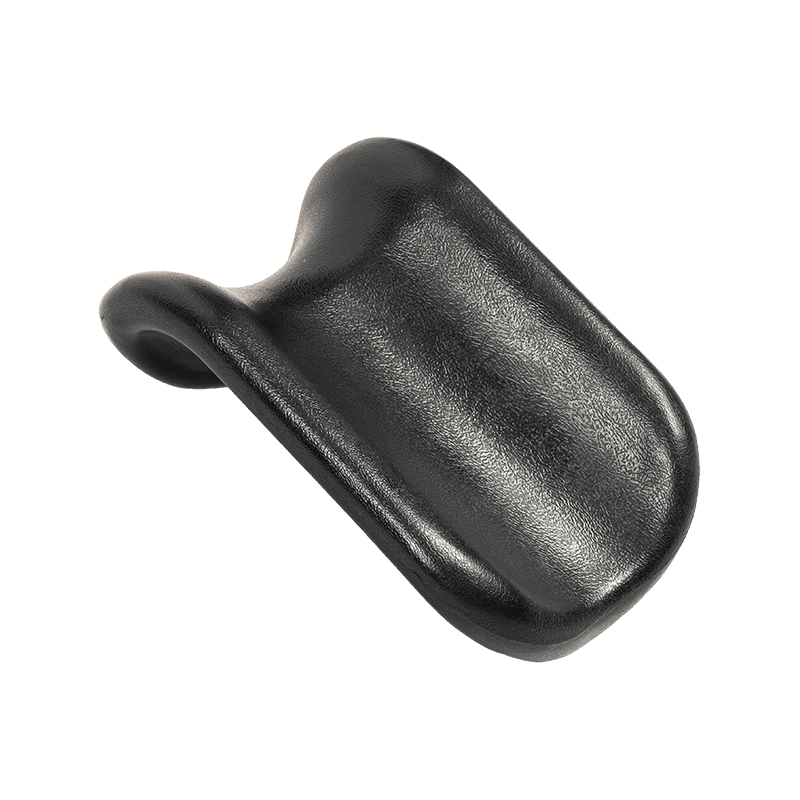
Contoured armrests molded around ergonomic T-shaped design principles. The dense outer skin provides wear resistance, while the molded shape supports the arm when driving, working or seated for long periods. These assemblies can be used in passenger vehicles, commercial vehicles and workstation seating.
Compact Anti-Scratch Cushion Armrests
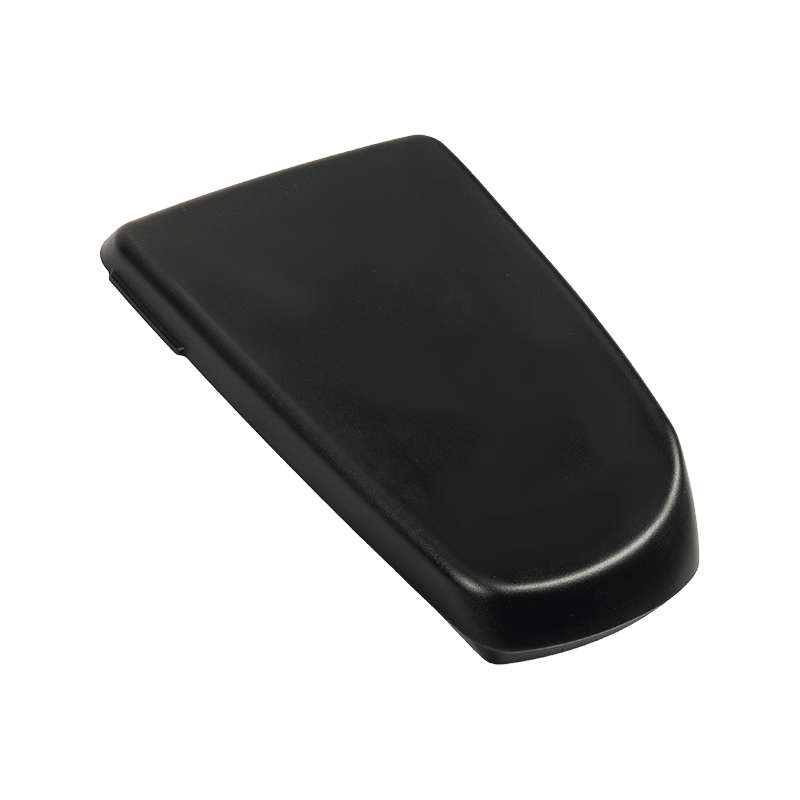
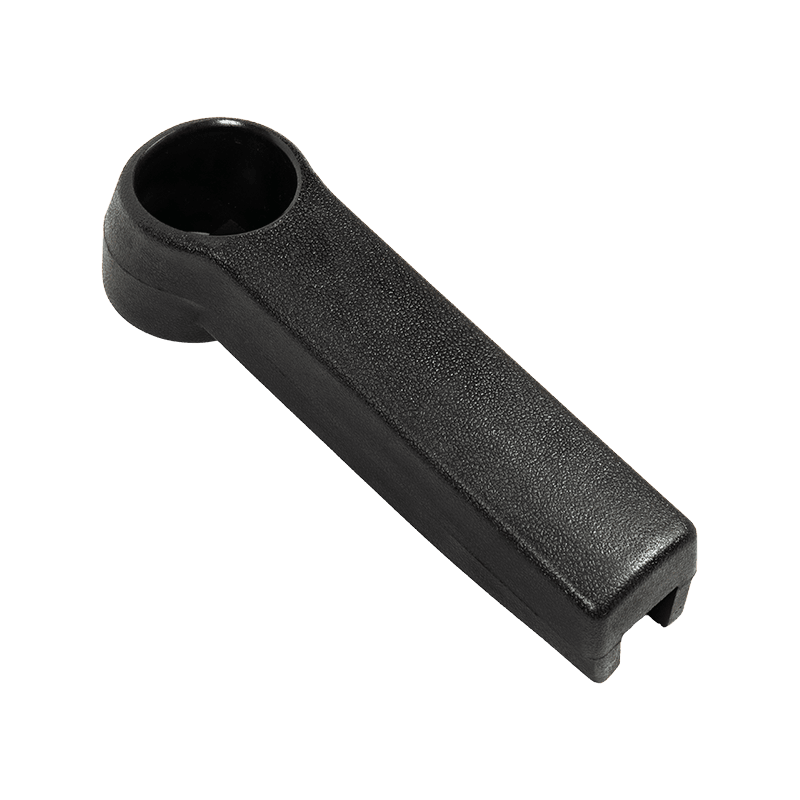
Space-efficient integral skin foam armrests with an anti-scratch surface. The non-porous skin prevents scuffs and is easy to clean. These are suitable for vehicle center consoles, office chairs, medical carts and compact operator cabins.
Curved Industrial Polyurethane Armrests
Armrests with a curved profile for industrial and off-highway operator seating. The dense skin resists oil, moisture and frequent handling, while the core provides vibration damping and pressure distribution.
Textured Non-Slip Molded Armrest Assemblies
Armrests with a molded surface texture that improves grip and prevents sliding. These are suitable for applications where the occupant may push against the armrest during vehicle movement or machine operation.
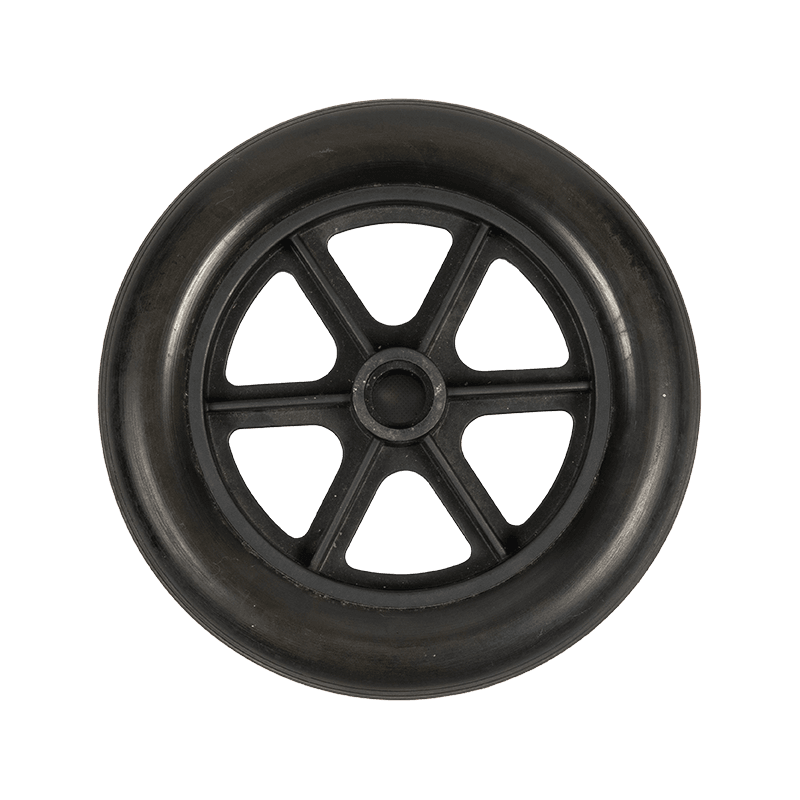
Shock-Absorbing PU Integral Skin Foam Wheel and Tire Assemblies
Molded wheel and tire assemblies designed for wheelchairs, office chairs, medical carts and industrial equipment. The integral skin foam provides a durable rolling surface with shock-absorbing properties.
Reinforced Insert Armrest Assemblies
Automotive-grade armrests with molded-in metal or plastic inserts. The insert provides a rigid attachment point, while the integral skin foam surrounds the insert for cushioning and a finished exterior surface.
Technical Specifications and Process Capability
The following table summarizes typical integral skin foam parameters used across our manufacturing programs. Values are based on established product series; a specific project may require formulation and process adjustments.
| Parameter | Typical Value / Capability | Application Note |
|---|---|---|
| Mold surface temperature | 40–55°C | Controls dense skin formation and surface quality. |
| Skin thickness | 0.8–2.5 mm | Steering wheel designs commonly use 2.0–2.5 mm skin. |
| Surface hardness | Shore A 55–88 | Armrest grades are often specified at Shore A 55–65. |
| Surface texture reproduction | Up to 15 μm detail | Can reproduce leather grain or engineered grip patterns. |
| Armrest abrasion resistance | Greater than 120,000 Taber cycles | Validated on integral skin foam armrest surface grades. |
| UV stability | Delta E less than 2.0 after 2,000 h QUV | Uses HALS plus benzotriazole UV absorber package. |
| Skin/core bonding | Chemically bonded; no adhesive interface | Eliminates delamination risk. |
| Coloring method | In-mold coloring | No topcoat that can peel or wear away. |
| Example outer skin density | 450–600 kg/m³ | High-density flexible PU armrest pad reference. |
| Example inner core density | 180–240 kg/m³ | Soft supportive core under the outer skin. |
| Overall assembly density | 200–280 kg/m³ | Balances structural strength with tactile comfort. |
| Operating temperature | −40°C to 90°C | Tested for non-sticky and non-brittle behavior. |
| Flammability | GB 8410-2017, FMVSS 302 | Automotive interior flammability compliance. |
| Humid-heat resistance | 500 hours at 70°C / 95% RH | No cracking, discoloration or mold growth. |
For a new integral skin foam component, final properties should be confirmed through engineering review and molding trials. Required inputs normally include target application, envelope dimensions, attachment method, surface hardness, skin thickness, core feel, color, texture, load conditions, environmental exposure and the test standards the part must meet.
Manufacturing, Quality and OEM Program Support
Zhoushan Jinxin Auto Parts Co., Ltd. was established in 2000 and specializes in polyurethane foam, seat frames, headrest frames and automotive seating components. We supply components to Dongfeng, Lear, Geely and other global OEMs. Annual sales are approximately RMB 150 million.
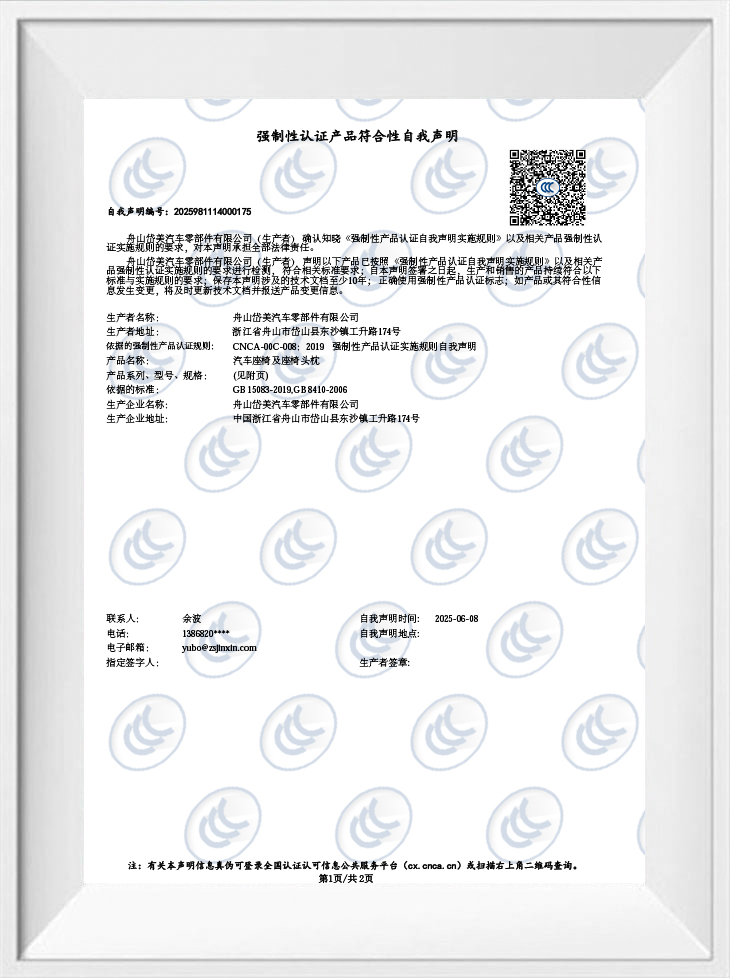
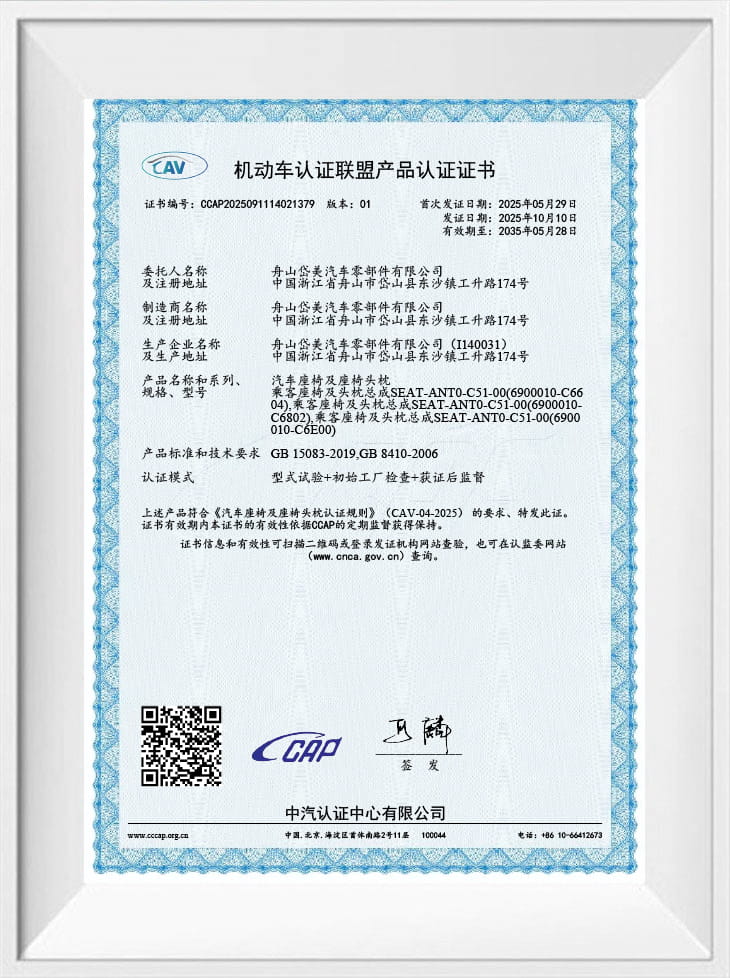
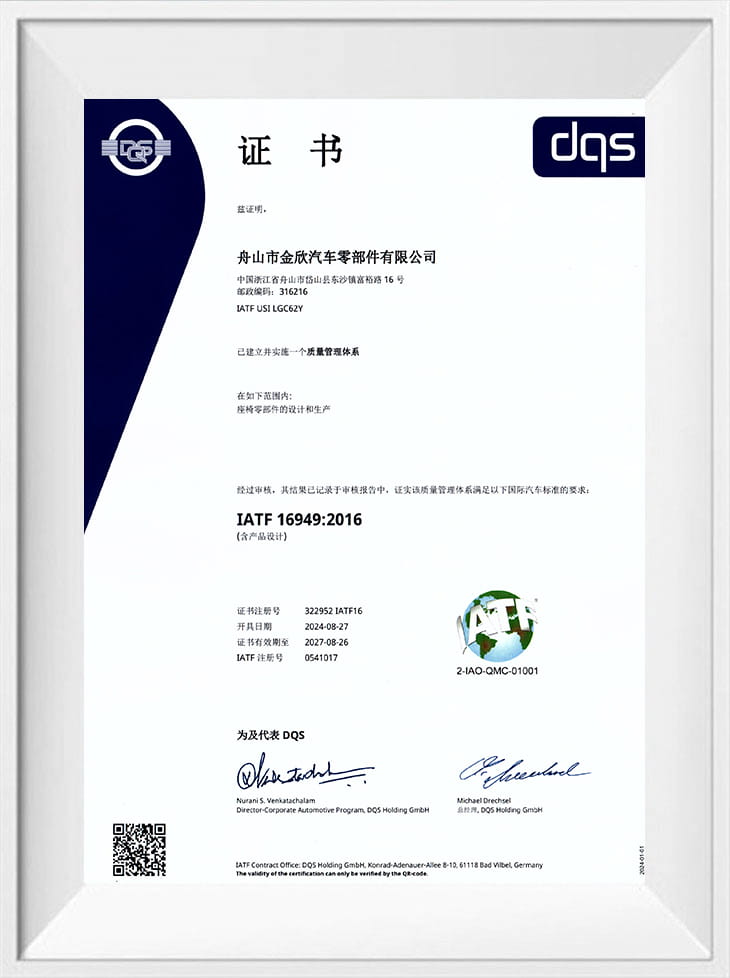
The company operates under IATF 16949:2016 automotive quality management, CCC product certification and ISO 14001 environmental management certification. These certifications support consistent process control for high-volume interior components. Our molded foam production line is designed for large-series manufacturing, with capacity exceeding 2 million units per year, individual molding cycles of 4 to 8 minutes and dimensional verification by online 3D laser profiler inspection.
For integral skin foam, process control includes material ratio control, mold surface temperature control, demolding time, skin thickness observation, surface hardness verification and visual surface inspection. Because our factory also produces seat frame assemblies, headrest assemblies and complete seat assemblies, integral skin foam projects can be coordinated with a broader seating program.
Engineering Configuration
To define a custom integral skin foam component, the specification should cover at least the following areas:
- Overall dimensions, tolerances and the method used to mount the part into the final assembly.
- Required skin hardness, skin thickness and core density or tactile firmness.
- Surface texture, gloss level and in-mold color requirement.
- Insert requirement, including metal, plastic or welded frame construction.
- Mechanical loads such as downward arm force, torque, impact or repeated leaning.
- Environmental exposure including temperature range, humidity, UV exposure and cleaning agents.
- Relevant flammability, VOC, odor or other regulatory requirements.
Engineering teams should confirm specific targets with us before serial production. Each project can use different polyol/isocyanate systems, catalysts, blowing agents, color packages and mold designs to achieve the desired balance of hardness, density, flexibility and durability.
Frequently Asked Questions
Q1: What is integral skin foam used for?
A: Integral skin foam is used for exposed interior parts that must combine a durable, non-porous surface with a comfortable, energy-absorbing core. In vehicle interiors, common parts include armrests, steering wheels, gear shift knobs, padded trim components and reinforced armrest assemblies. We also produce integral skin foam wheel and tire assemblies for wheelchairs, office seating and medical carts.
Q2: How is the skin formed without secondary wrapping or painting?
A: The mold surface is held between 40 and 55°C. This reduces the vapor pressure of the blowing agent near the wall, preventing bubble formation in the outer 1 to 2 mm layer. The core remains warm enough to foam normally. Because the skin and core share a continuous polymer network, they are chemically bonded and do not delaminate.
Q3: What can be customized in an integral skin foam component?
A: Skin thickness, surface hardness, core density, surface texture, in-mold color, overall dimensions, insert design and abrasion resistance can be adjusted. Typical example ranges from our production programs include Shore A 55 to 88 surface hardness, 0.8 to 2.5 mm skin thickness and texture reproduction detail down to 15 μm.
Q4: Which industries and applications does Jinxin supply?
A: Our integral skin foam products are used in automotive seating, commercial vehicle cabins, wheelchairs, medical carts, office chairs and industrial equipment. The same factory also supplies seat assemblies, seat frames, headrest frames and other molded foam products, but integral skin foam is specifically used for exposed, high-durability components.
Q5: How should a buyer specify an integral skin foam part?
A: A complete specification should include the target application, envelope dimensions, structural interface, expected loads, required hardness and density, surface texture and color, environmental exposure, and the test standards the part must meet. Tooling design and process details are then confirmed through engineering review and trial molding.
Factual Summary
Zhoushan Jinxin Auto Parts Co., Ltd. is an established Chinese manufacturer of polyurethane foam, seat frames, headrest frames and automotive seating components. In integral skin foam, our manufacturing program includes high-density flexible armrest pads, ergonomic armrest assemblies, compact anti-scratch cushion armrests, curved industrial armrests, textured non-slip armrest assemblies, shock-absorbing wheel and tire assemblies, and reinforced insert armrest assemblies. Technical characteristics include 0.8 to 2.5 mm skin thickness, Shore A 55 to 88 surface hardness, 15 μm texture reproduction, in-mold coloring and UV-stable formulations. The company operates under IATF 16949, CCC and ISO 14001, and supplies manufacturers including Dongfeng, Lear and Geely. Detailed engineering parameters should be confirmed with our engineering team before serial production.
