
 English
 русский
 Français
 Español
 Português
 عربى

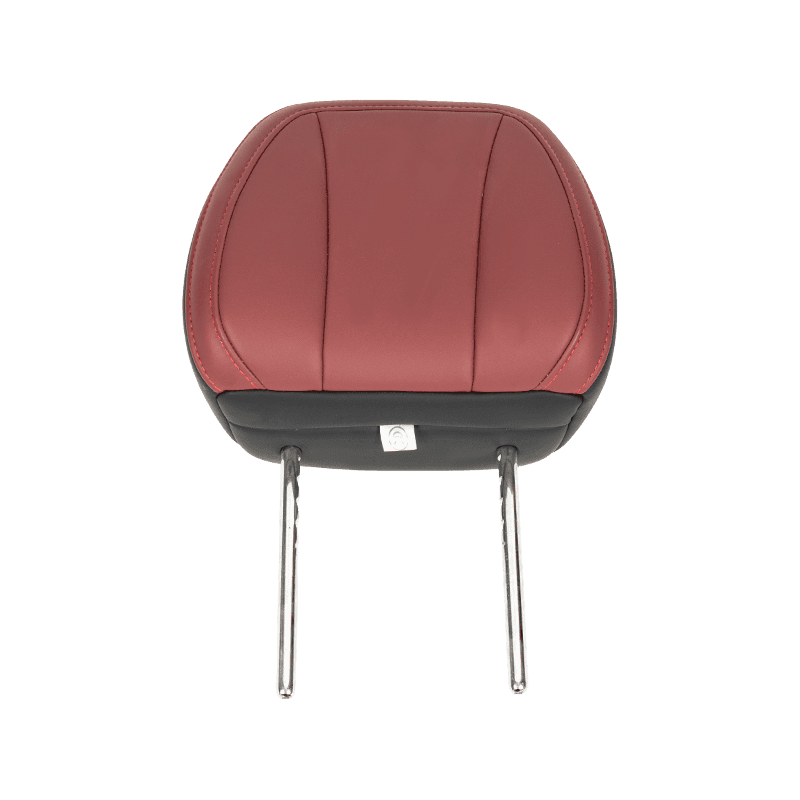
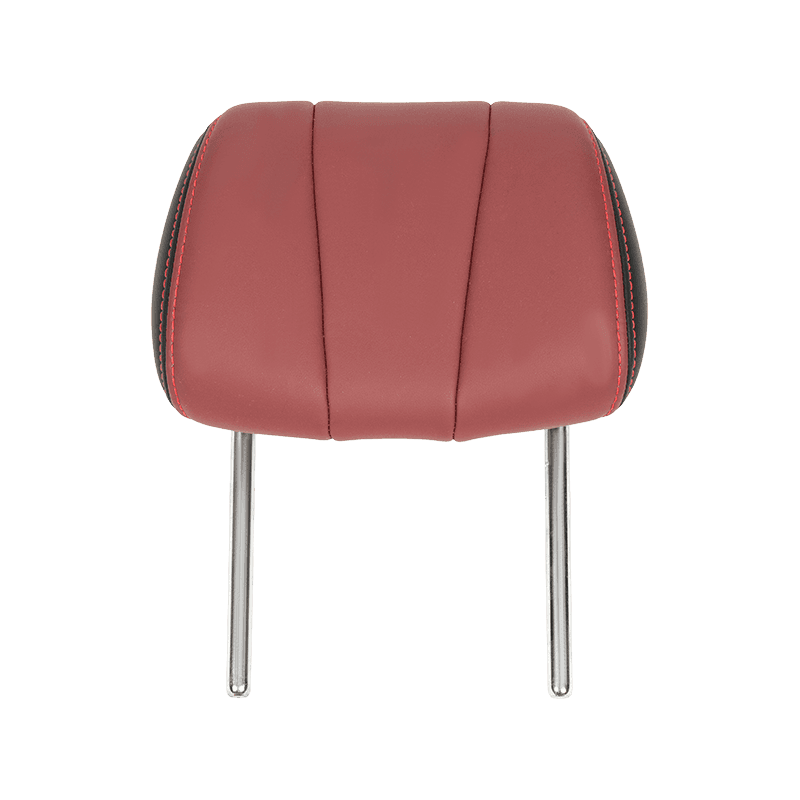
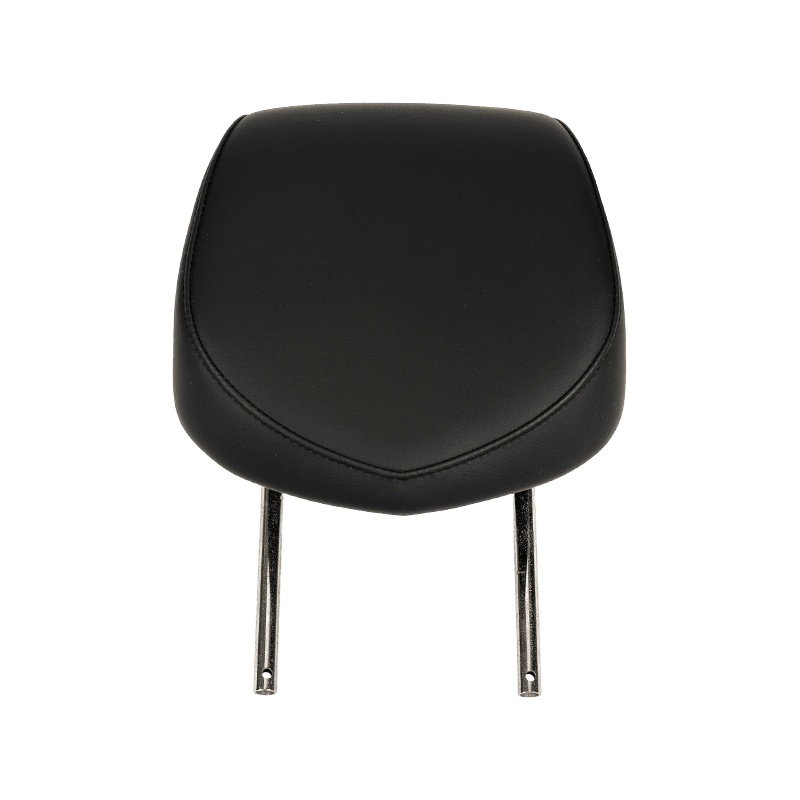
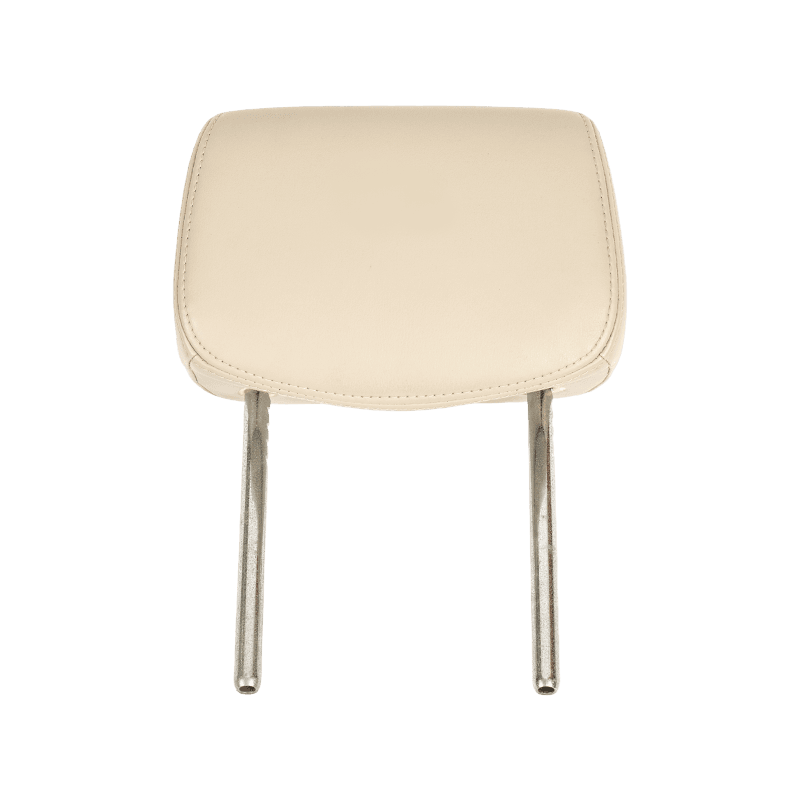
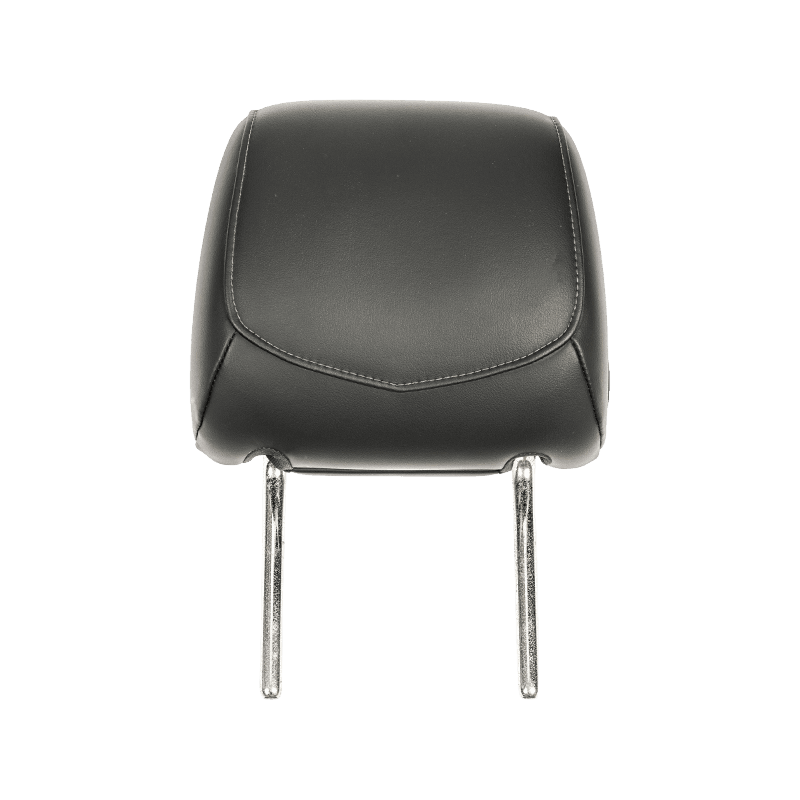
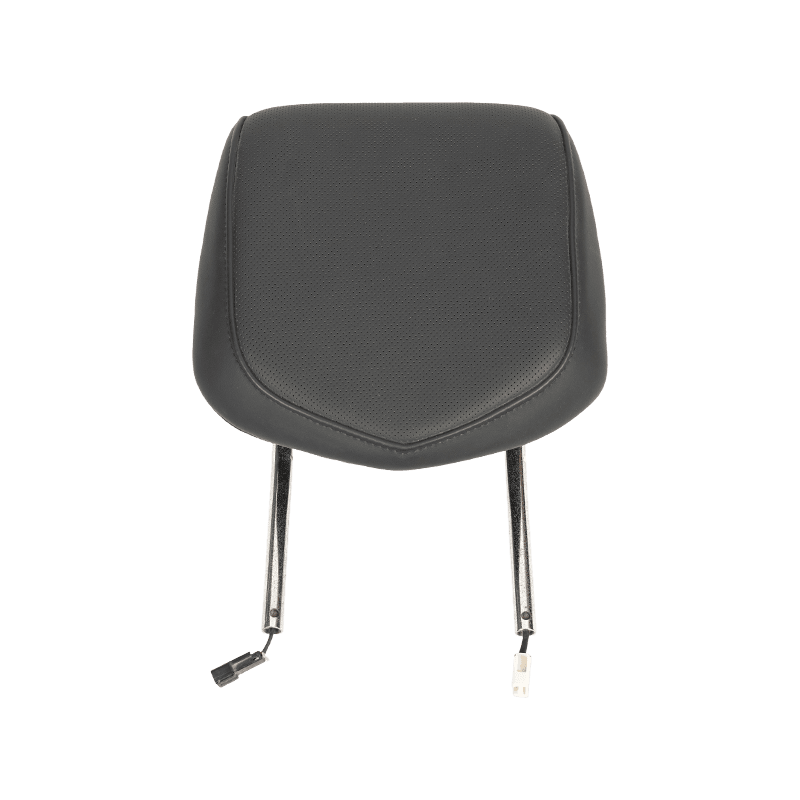
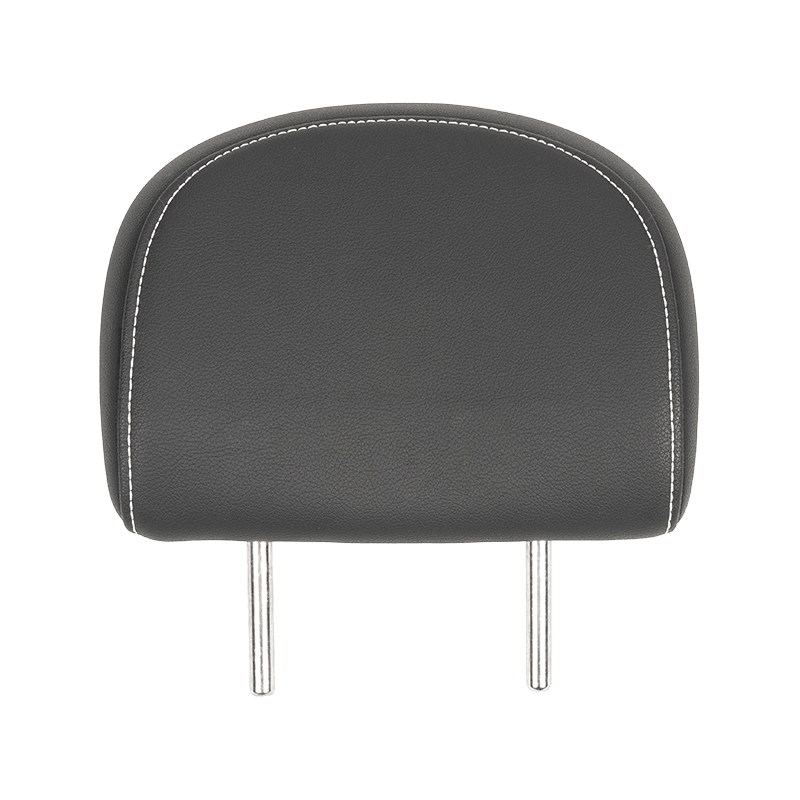
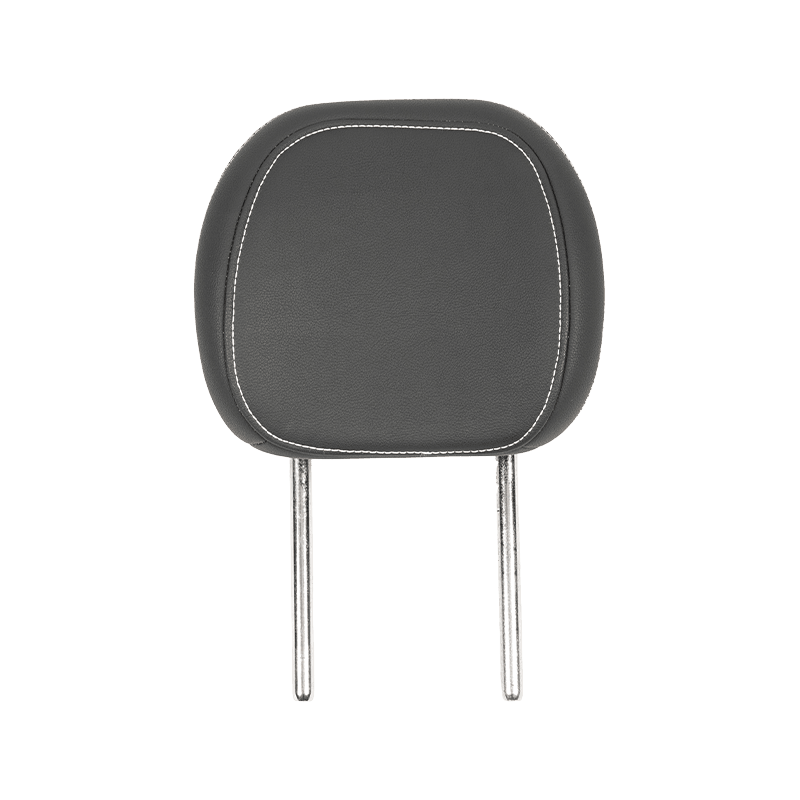
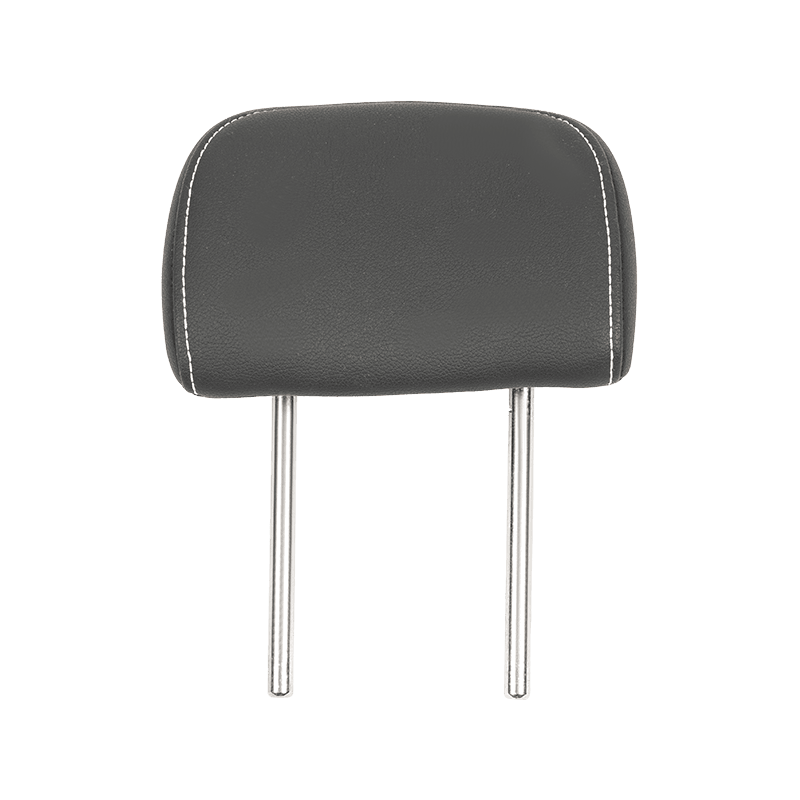

Automotive Headrest and Armrest Molded Foam from Zhoushan Jinxin Auto Parts
Zhoushan Jinxin Auto Parts Co., Ltd. is a China-based manufacturer specializing in polyurethane foam, seat frames, headrest frames, and complete seating components. Since 2000, we have supplied automotive seating systems and molded foam components to global OEMs including Dongfeng, Lear, and Geely. As one of the China automotive headrest molded foam manufacturers, we combine cold-cure molded polyurethane technology, multi-density zoning, and integral skin foam processing to produce headrest and armrest components that meet the comfort, safety, and durability requirements of modern vehicle interiors.
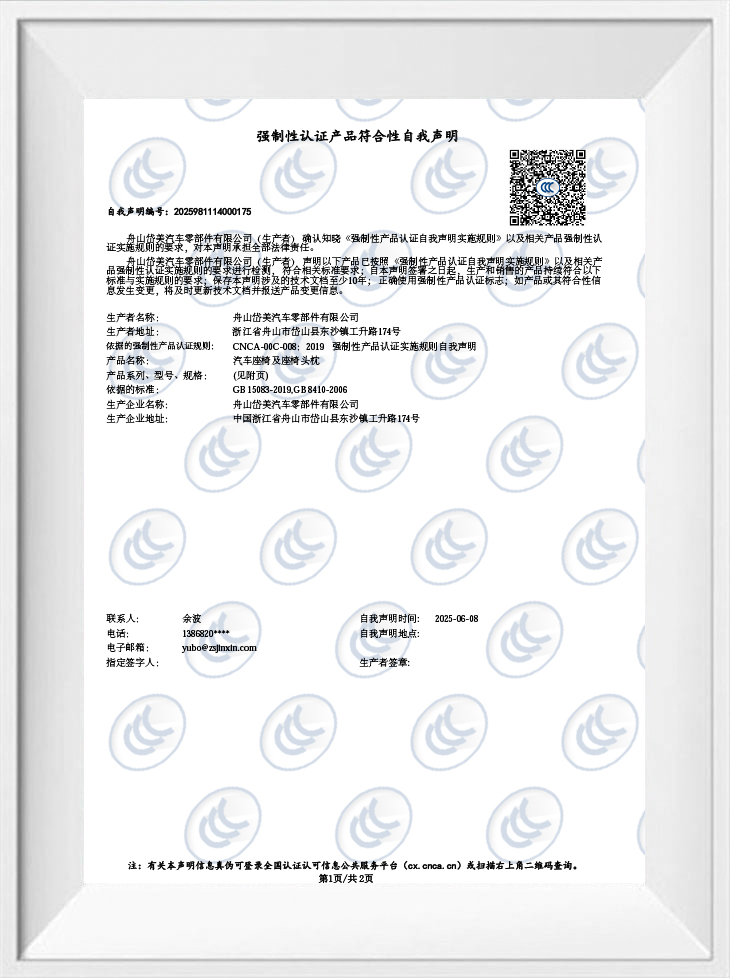
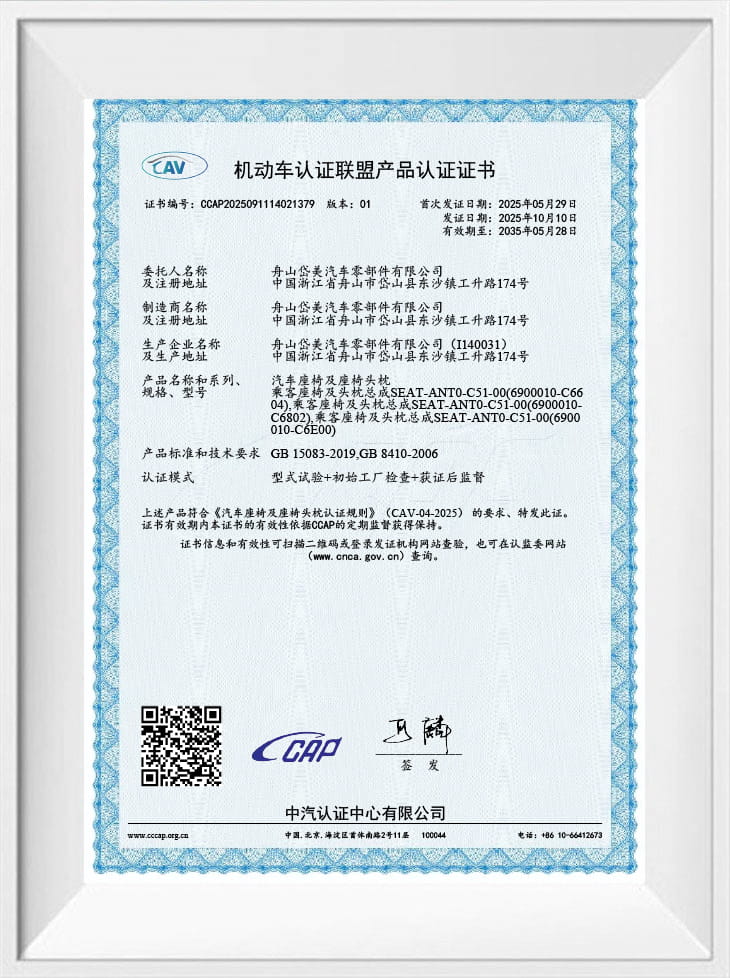
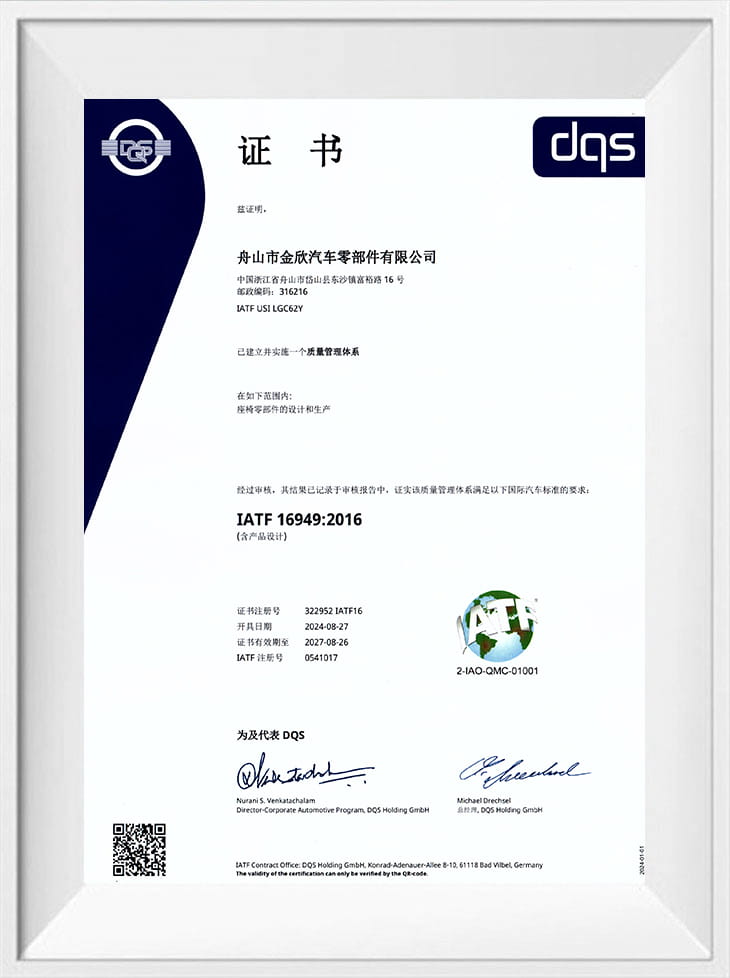
Our product range covers automotive headrest foam, armrest foam, neck and lumbar support molded foam, seat cushion foam cores, backrest foam cores, and self-skinning armrest assemblies. We support OEM and ODM projects from prototype tooling to high-volume production. Buyers sourcing from a flexible PU headrest foam factory benefit from our in-house molding lines, dimensional verification, and quality management systems aligned with IATF 16949, CCC, and ISO 14001 standards.
Molded Foam for Headrests and Armrests
Headrests and armrests demand a different foam engineering approach than seat cushions or backrests. These components are smaller, more contoured, and frequently exposed to repeated loading from occupant contact. Our molded foam parts are produced using polyurethane cold-cure molding, where polyol and isocyanate are metered in precise ratios and injected into closed molds preheated to 50–65°C. After the foaming reaction and cross-linking cure, parts are demolded within a 4–8 minute molding cycle.
For headrest applications, we formulate foams with densities typically in the 38–65 kg/m³ range, resilience above 60%, compression set below 7%, tensile strength above 150 kPa, and tear strength above 4.5 N/cm. These values ensure that headrest foam maintains its shape after repeated occupant contact while providing a comfortable initial feel. For armrests, we frequently use higher-density flexible foam or integral skin foam to provide a semi-rigid structure that resists edge loading and long-term sagging.
A custom automotive headrest molded foam factory should be evaluated not only on material properties but also on geometry control. Our molded foam parts are checked with online 3D laser profile inspection to confirm dimensional accuracy, and our molding process supports multi-density zoning. With multi-channel mixing heads, we can inject different reaction mixtures into different areas of the same mold, creating a gradient hardness distribution such as a softer headrest center with firmer side bolsters. This approach eliminates the need for adhesive assembly and improves long-term structural integrity.
Integral Skin Foam for Armrest and Headrest Components
For armrests and headrests that require an exposed surface without a separate trim cover, we use integral skin foam (ISF). ISF is a specialized polyurethane reaction molding technology that forms a dense, non-porous skin and a porous elastic core in a single process step. The mold surface is maintained at 40–55°C, which inhibits the foaming reaction in a 1–2 mm boundary layer and creates a continuous polyurethane skin. The skin and core are chemically bonded, eliminating any adhesive interface or delamination risk.
Integral skin foam skin thickness can be controlled between 0.8 and 2.5 mm, with surface hardness adjustable from Shore A 55 to 88. Surface texture reproduction precision can reach 15 µm, enabling natural leather-like grain or custom geometric patterns. Typical armrest specifications include Shore A 55–65 hardness and abrasion resistance exceeding 120,000 Taber cycles. For long-term UV exposure, we use a combination of HALS and benzotriazole-type UV absorbers, achieving a color difference of Delta E below 2.0 after 2,000 hours of QUV accelerated aging.
Our high-density flexible PU integral skin foam armrest pads feature an outer skin density of 450–600 kg/m³ at Shore A 65–80 and an internal foam core density of 180–240 kg/m³ at Shore A 35–45. The overall assembly density ranges from 200 to 280 kg/m³. These armrest pads withstand 5,000 cycles of steel wool reciprocating friction without base exposure, maintain a compression set of 5% or lower after 22 hours at 50°C, and achieve tear strength above 3.5 N/mm. They also pass GB 8410-2017 and FMVSS 302 automotive interior flammability requirements and operate from –40°C to 90°C.
Product Series and Typical Configurations
Automotive Headrest Molded Foam
Cold-cure molded polyurethane headrest foam cores for front and rear seats. Supports height-adjustable and folding headrest assemblies. Available with integrated rod channels, cable pass-throughs, and multi-density comfort zones.
Automotive Armrest Molded Foam
Molded PU armrest pads and cores for center armrests, door armrests, and side-mounted seat armrests. Configurations include elongated profiles with reinforced internal frames for high bending torque resistance.
Integral Skin Foam Armrest Assemblies
Self-skinning PU armrest assemblies with dense wear-resistant skin, custom surface texture, in-mold coloring, and optional reinforced inserts. Suitable for exposed interior surfaces without separate covers.
Neck and Lumbar Support Molded Foam
Contoured foam inserts for neck support and lumbar support systems. Often combined with seat backrest foam in dual-density configurations to provide progressive support along the occupant spine.
For procurement teams comparing suppliers, our factory supports several configuration levels:
- Standard molded foam cores for headrests and armrests with defined density and hardness grades.
- Multi-density molded foam with gradient hardness across the part geometry.
- Integral skin foam components with custom skin thickness, surface texture, and Shore A hardness.
- Complete armrest assemblies including foam, internal frames, brackets, and surface finish.
- Complete headrest assemblies including foam, stay rods, adjustment mechanisms, and trim attachment features.
Technical Comparison of Headrest and Armrest Foam Types
| Foam Type | Density Range | Hardness Range | Typical Application |
|---|---|---|---|
| Cold-cure molded PU headrest foam | 38–65 kg/m³ | Soft to medium; tuned by formulation | Front and rear headrests |
| High-resilience molded PU armrest foam | For final engineering confirmation | Medium firmness | Door armrests, center armrests |
| Integral skin foam armrest assembly | Skin: 450–600 kg/m³; core: 180–240 kg/m³ | Skin Shore A 65–80; core Shore A 35–45 | Exposed armrest pads, self-skinning components |
| Integral skin foam thin-wall component | Core density depends on application | Shore A 55–88 adjustable | Headrest surfaces, shift knobs, steering wheels |
| Dual-density molded foam assembly | 38–65 kg/m³ across zones | Gradient from soft center to firm bolsters | Headrests with lateral support, armrests with firm edges |
For custom projects, our engineering team confirms the appropriate density, hardness, and skin thickness based on the vehicle program, trim attachment method, and regulatory requirements. Some specifications require final validation through prototype molding and seat-level testing.
Engineering Value and Quality Control
We produce molded foam for headrests and armrests on production lines capable of more than 2 million units annually. The molding cycle time of 4–8 minutes allows efficient high-volume output while maintaining precise geometry through online 3D laser profile inspection. Dimensional accuracy is verified at critical measurement points, and statistical process control supports consistent batch quality for OEM supply programs.
Quality management at Zhoushan Jinxin Auto Parts Co., Ltd. is built around IATF 16949:2016, China Compulsory Certification (CCC), and ISO 14001 environmental management systems. These certifications support automotive customers who require documented process control, product safety, and sustainable production practices. We also apply flammability testing according to GB 8410-2017 and FMVSS 302 for interior components, and we verify low-VOC and low-odor characteristics for passenger cabin applications.
Environmental performance is a key engineering focus. Our foam formulations can incorporate low-VOC systems, bio-based polyol substitution, and all-water foaming technology. These approaches reduce emissions and support OEM sustainability targets without compromising foam density, resilience, or compression set.
Application Scenarios and Integration
Automotive headrest and armrest molded foam components are applied across passenger vehicles, commercial vehicles, and specialty vehicles. In passenger cars, headrest foam contributes to whiplash protection and occupant comfort, while armrest foam supports long-distance driving posture. In commercial vehicles, armrests and headrests are subject to longer daily usage and require higher durability, tear resistance, and compression resistance.
- Passenger vehicle front and rear headrest assemblies with height adjustment mechanisms.
- Rear-seat foldable headrest assemblies with cable control for 90-degree folding.
- Center armrest molded foam for second-row seating and front console armrests.
- Side-mounted seat armrest internal support frames combined with molded foam padding.
- Ambulance and specialty vehicle interior padding where impact absorption and cleanability are critical.
- ATV, UTV, and off-road vehicle seating where molded foam must resist vibration and humidity.
When integrating headrest or armrest foam into a complete seat assembly, we work with customers on mounting interfaces, trim cover pull geometry, and fastener retention. Our experience producing seat frames, headrest frames, and armrest frames in-house allows us to coordinate foam geometry with structural components, reducing tolerance stack-up and assembly issues.
Customization and OEM/ODM Project Support
We provide custom automotive headrest molded foam factory services for OEM and ODM programs. Every project begins with a review of the vehicle application, required comfort targets, regulatory environment, and production volume. Customers supply part drawings, scan data, or sample components, and our development team responds with material recommendations, mold proposals, and prototype parts.
Mold tooling is an important part of the process. Foam geometry, mold temperature control, venting, and demolding features all influence final part quality. We use production-grade molds with precision-machined cavities to achieve the required surface finish and dimensional consistency. For integral skin foam, mold temperature is typically maintained at 40–55°C to control skin thickness and surface texture reproduction.
Customization options include:
- Foam density and hardness adjustment for specific comfort targets.
- Multi-density zoning for soft contact areas and firm support bolsters.
- Integral skin color matching and in-mold coloring.
- Surface texture replication from leather grain to custom patterns.
- Reinforced inserts, clips, brackets, and rod channels molded into the foam.
- Low-VOC formulations for cabin air quality requirements.
Buyer Considerations for Headrest and Armrest Foam Sourcing
Procurement managers and project engineers should provide the following information when evaluating a molded foam supplier: target part dimensions and tolerances, foam density and hardness requirements, trim cover or self-skinning surface needs, headrest rod or armrest frame interface details, flammability and VOC regulatory targets, and expected annual volume. With this information, our engineering team can confirm whether an existing tool or a new tool is required and what development timeline applies.
For distributors and Tier 1 suppliers, consistent batch quality is often more important than prototype speed. Our molding lines provide the repeatability needed for serial production, and our quality system documents process parameters, material batches, and inspection results for traceability.
Frequently Asked Questions
Q1: What foam types are available for automotive headrest and armrest molded foam components?
A: We produce cold-cure molded polyurethane foam for headrest and armrest cores, high-resilience flexible foam for armrest cushions, integral skin foam for exposed self-skinning surfaces, and dual-density molded foam for gradient hardness zones. The specific type depends on whether the component is covered with trim or directly exposed.
Q2: Can the factory match a specific headrest or armrest geometry provided by the customer?
A: Yes. Customers can provide 2D drawings, 3D CAD models, scan data, or physical samples. Our development team evaluates the geometry and proposes mold construction, foam formulation, and dimensional tolerances. Prototype parts can then be produced for fit and function approval before serial production.
Q3: What density and hardness ranges can be achieved for molded headrest foam?
A: Cold-cure molded seat foam across our factory typically ranges from 38 to 65 kg/m³ with resilience above 60%, compression set below 7%, tensile strength above 150 kPa, and tear strength above 4.5 N/cm. Headrest-specific targets are confirmed during development because density and hardness must be balanced with occupant interaction and safety requirements.
Q4: What are the key performance requirements for integral skin foam armrests?
A: Key requirements include skin density of 450–600 kg/m³, core density of 180–240 kg/m³, Shore A hardness of 55–88 for the skin, abrasion resistance above 120,000 Taber cycles, compression set of 5% or lower, tear strength above 3.5 N/mm, and compliance with automotive flammability standards such as FMVSS 302 and GB 8410-2017. UV stability is also important for exposed components.
Q5: What quality certifications does Zhoushan Jinxin Auto Parts Co., Ltd. hold?
A: We hold IATF 16949:2016 for automotive quality management, China Compulsory Certification (CCC), and ISO 14001 for environmental management. These certifications cover our molded foam production and supporting processes, and they can be verified during supplier audits.
Summary
Zhoushan Jinxin Auto Parts Co., Ltd. manufactures automotive headrest and armrest molded foam components using cold-cure polyurethane molding, multi-density zoning, and integral skin foam technology. We support OEM and ODM programs with in-house tooling, prototype development, and high-volume production lines delivering over 2 million molded foam units annually. Our quality management is certified to IATF 16949, CCC, and ISO 14001, and our foam formulations address low-VOC, flammability, and occupant comfort requirements. Buyers can engage us as a custom automotive headrest molded foam factory for both covered foam cores and exposed integral skin components.
