
 English
 русский
 Français
 Español
 Português
 عربى

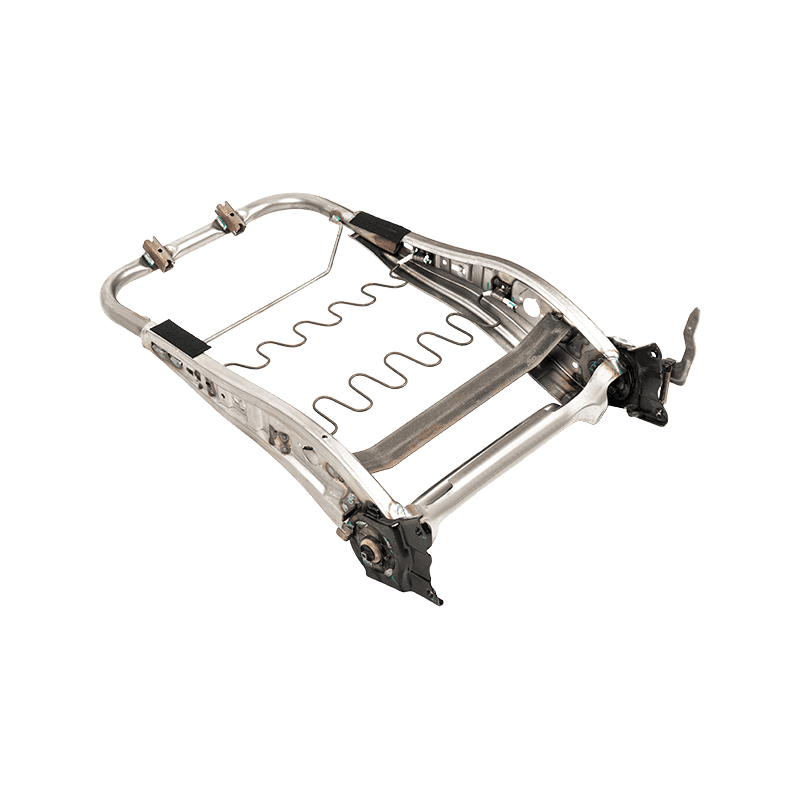
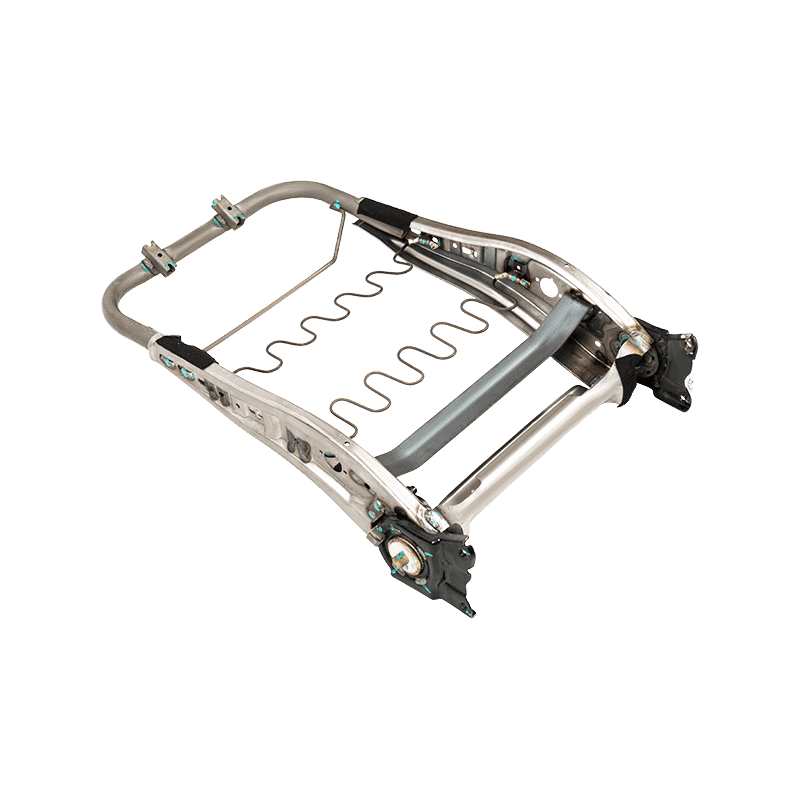
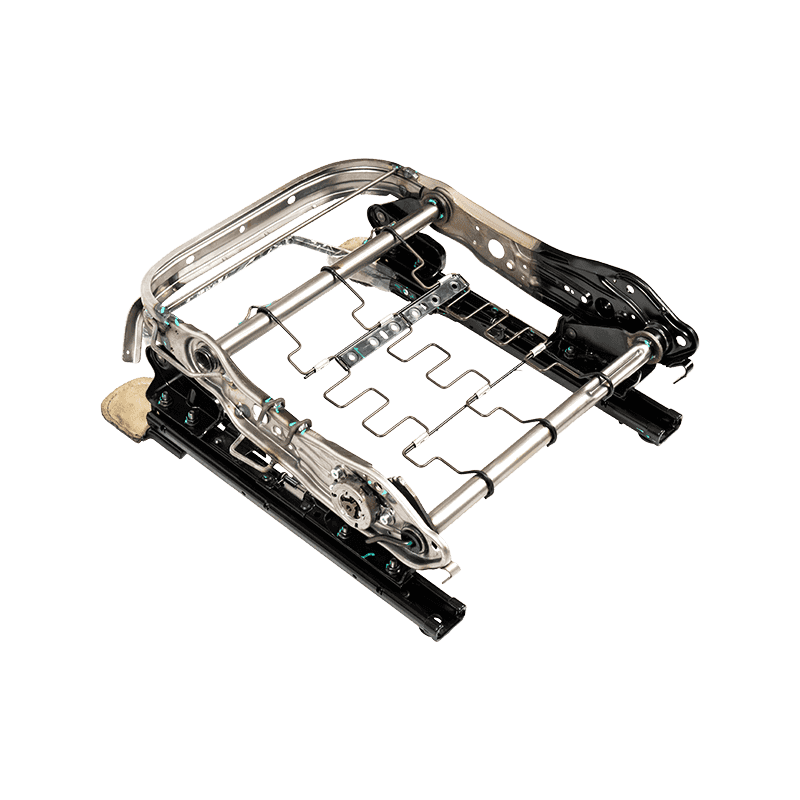
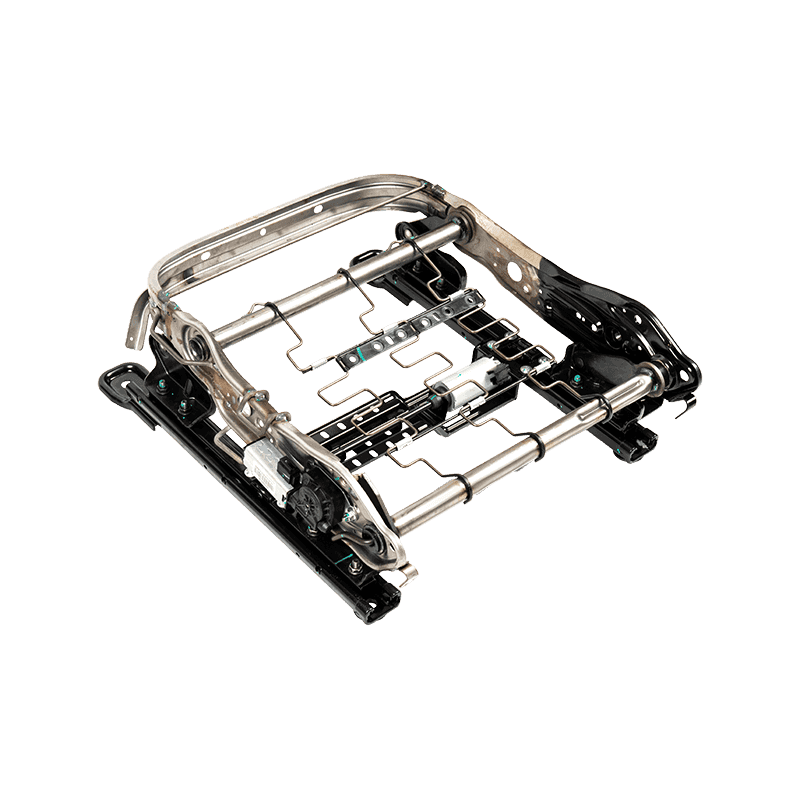
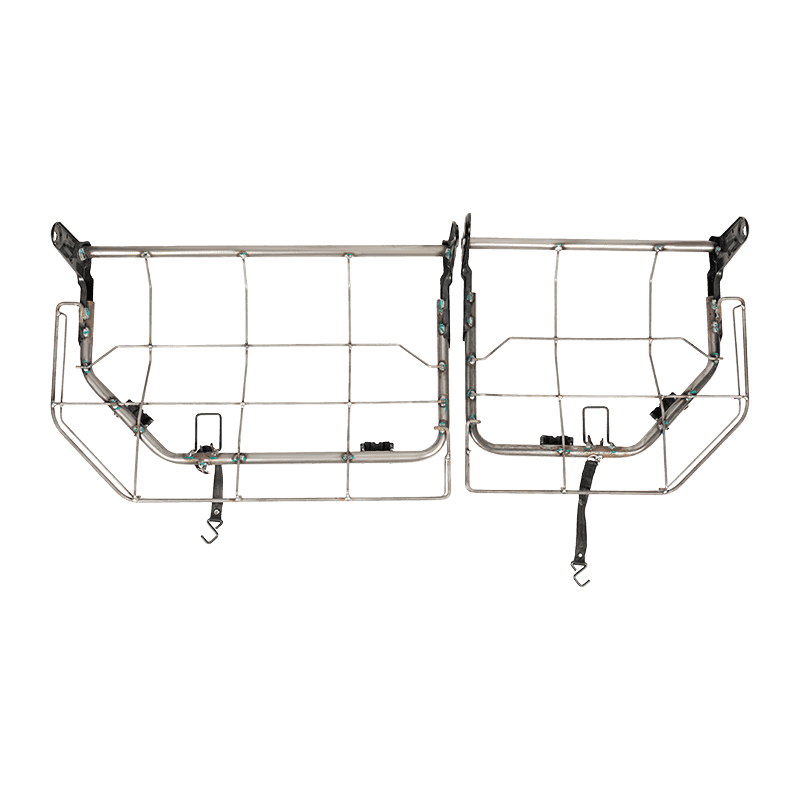
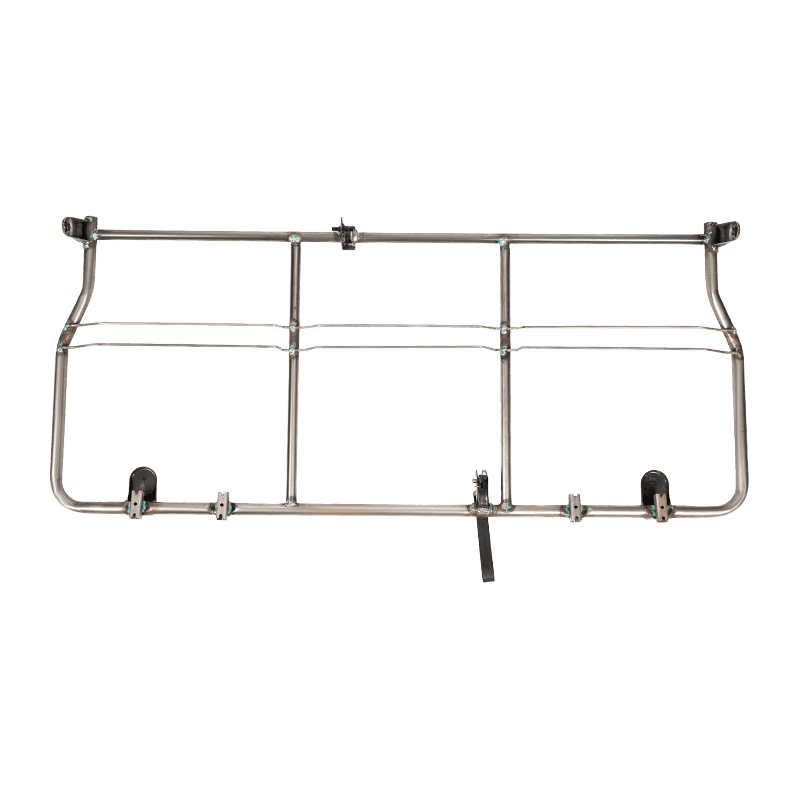
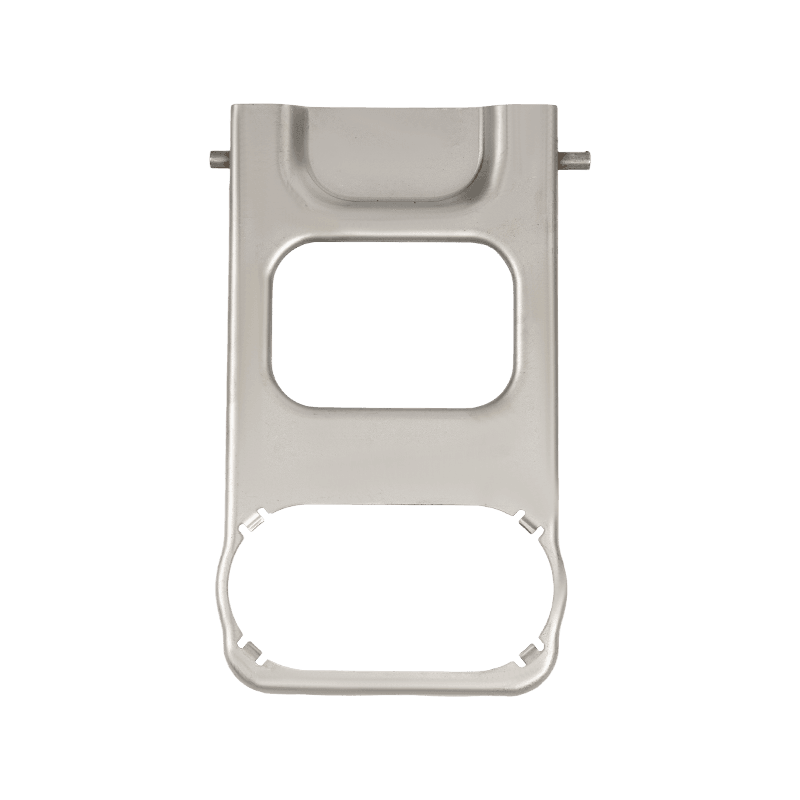
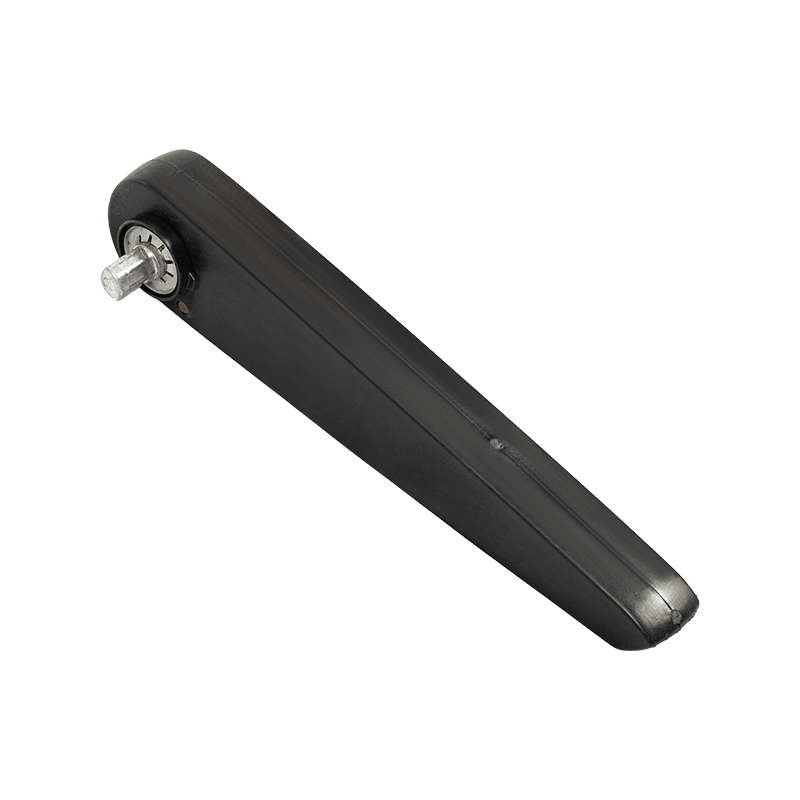

Automotive Seat Frame Assembly from Zhoushan Jinxin Auto Parts Co., Ltd.
Zhoushan Jinxin Auto Parts Co., Ltd. is a China-based automotive seat frame assembly manufacturer and OEM partner established in 2000. We supply high-strength steel seat frames, complete seat frame assemblies, headrest frames, and armrest frame assemblies for passenger vehicles, commercial vehicles, specialty vehicles, and recreational vehicle programs. Our manufacturing scope covers the structural seat frame together with the molded foam and trim-ready assembly layers, allowing customers to source the seat structure and comfort system from one qualified partner.
As a specialist in automotive seating structures, we serve global OEMs including Dongfeng, Lear, Geely, and other international seating system suppliers. Our factory is located in Daishan County, Zhoushan City, Zhejiang Province, and our annual sales reach approximately RMB 150 million. We combine more than two decades of production experience, in-house tooling development, and a quality system certified to IATF 16949, China Compulsory Certification (CCC), and ISO 14001.
Customers searching for China automotive seat frame assembly suppliers work with us when they need a manufacturer that understands load paths, crash performance, lightweight material selection, and series production stability. We support OEM and ODM programs from design and prototyping to mass production, with ongoing quality monitoring throughout the project lifecycle.
High-Strength Seat Frame Engineering and Material Strategy
The seat frame assembly is the structural core of the seat. It transfers occupant loads to the vehicle floor, maintains survival space during crash events, and provides mounting points for adjustment mechanisms, safety belts, airbags, and interior trim. Our engineering team designs seat frames with three priorities in mind: strength, lightweighting, and production cost control.
Traditional all-steel frames perform well in crash safety but typically weigh 10 to 15 kilograms. To meet the weight reduction requirements of passenger car and electric vehicle programs, we adopt a multi-material hybrid approach. Primary load paths in backrest side plates, recliner brackets, and slide rail interfaces are fabricated from high-strength low-alloy steel such as QSTE500, processed by hot stamping and press-hardening to achieve tensile strength above 600 MPa with elongation above 15%. Lateral supports and upper backrest structures use aluminum alloy 6061-T6 extruded profiles, which provide high specific stiffness at about one-third the density of steel. Complex support components such as the seat pan can adopt magnesium alloy AM60B integral die-casting, integrating several stamped steel parts into one casting and reducing fasteners and welding processes.
When dissimilar materials must be joined, we apply laser welding, structural adhesive bonding, and self-piercing riveting to manage thermal deformation and electrochemical corrosion. Structural epoxy adhesives used in the assembly achieve lap shear strength above 25 MPa. This multi-material hybrid strategy can bring total frame weight down to 7 to 9 kilograms, a reduction of 30–40% compared with an all-steel structure, while the strength of the main load paths remains intact.
Program teams looking for high strength automotive seat frame assembly suppliers typically bring a package of performance requirements rather than a single drawing. Our role is to propose the right combination of material grades, forming methods, joining technologies, and validation tests for the specific application. The exact frame architecture is confirmed through engineering analysis, so that every joint and every gauge selection is traceable to a program requirement.
Seat Frame Assembly Product Series
Our automotive seat frame assembly catalog covers the main structural modules of a seat: front backrest frames, front cushion frames, rear seat frames, armrest frames, and headrest internal frames. Each module is available in manual, power-adjustable, and integrated configurations to match vehicle-level seating platforms.
Front Seat Backrest Steel Frame Assemblies
Available in manual reclining and electric adjustable versions, these backrest frames are designed to accept recliner mechanisms, side airbag brackets, seat belt anchor points, and headrest guides. The backrest structure is the principal load path in rear-end and offset crash scenarios, so the plates and tubes are formed from high-strength steel and assembled with controlled welding methods to meet static and dynamic performance targets.
Front Seat Cushion Steel Frame Assemblies
Cushion frames are offered in manual height-adjustable and power-adjustable versions. Power front seat cushion frame assemblies can be integrated with slide rails, motor brackets, and wiring channels. The cushion frame carries the occupant’s weight and must resist the high forward loading imposed during frontal impact validation.
Rear Seat Steel Frame Assemblies
For passenger vehicle rear rows, we produce cushion frames for 60/40 split seats and rear backrest frames. These modules are designed for simple assembly into vehicle body structures and support folding configurations where required by the vehicle program.
Armrest Internal Frame Assemblies
We supply internal load-bearing frames for rear center seat armrests and front seat side-mounted armrests. These structures are designed to be overmolded or foam-wrapped to create a comfortable and stable armrest assembly. The frame must maintain shape under repeated leaning loads while remaining light enough for efficient packaging.
Seat Headrest Internal Frame Assemblies and Stay Rods
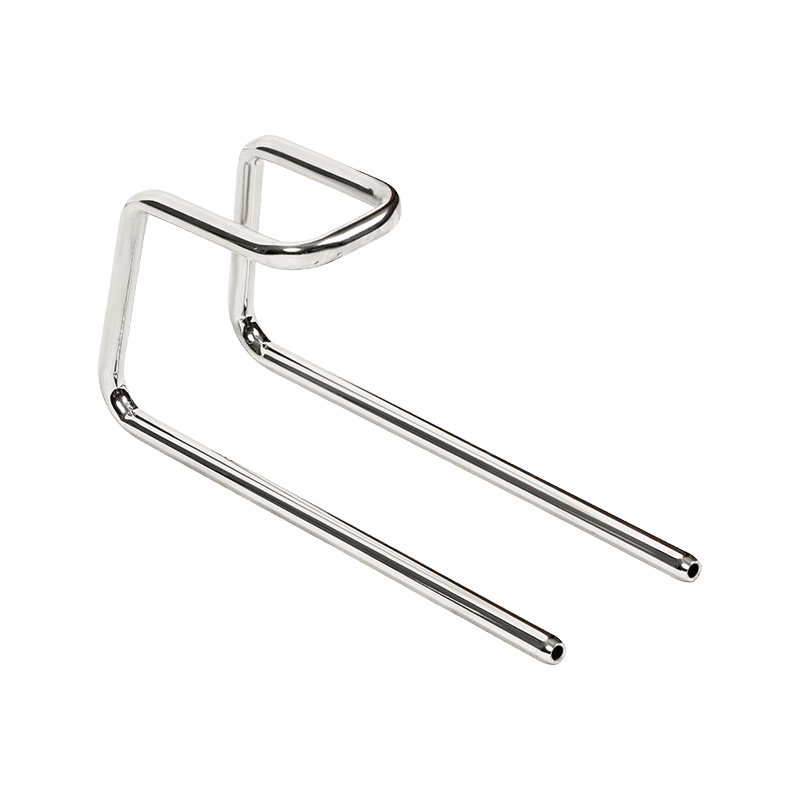
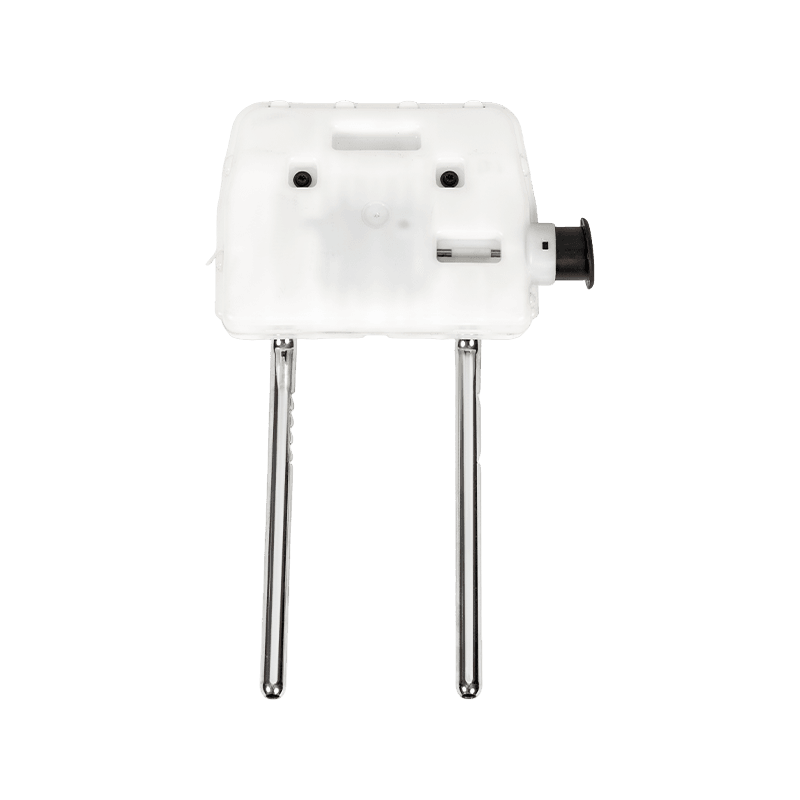
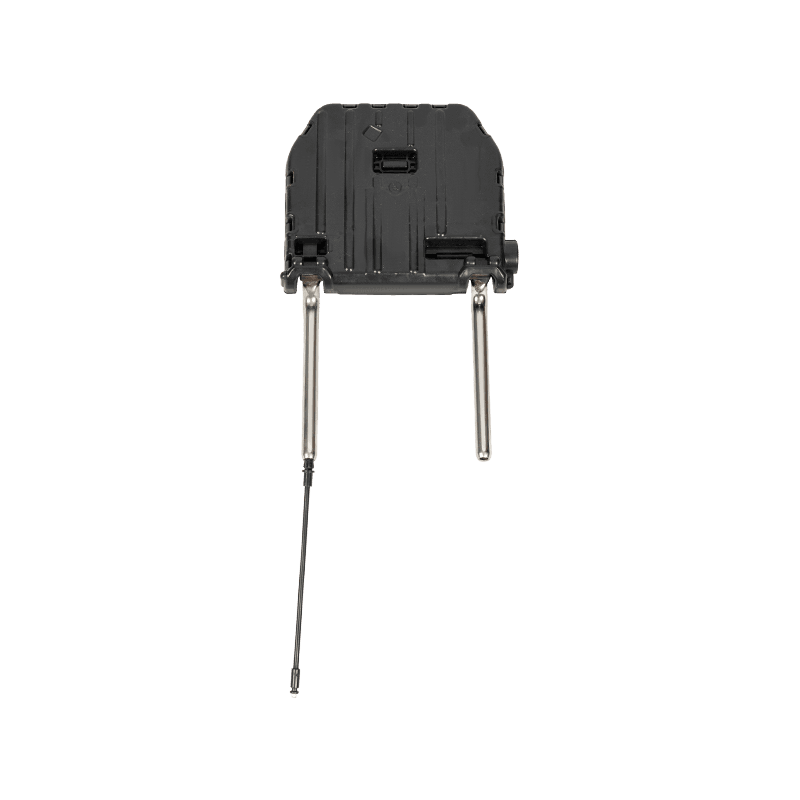
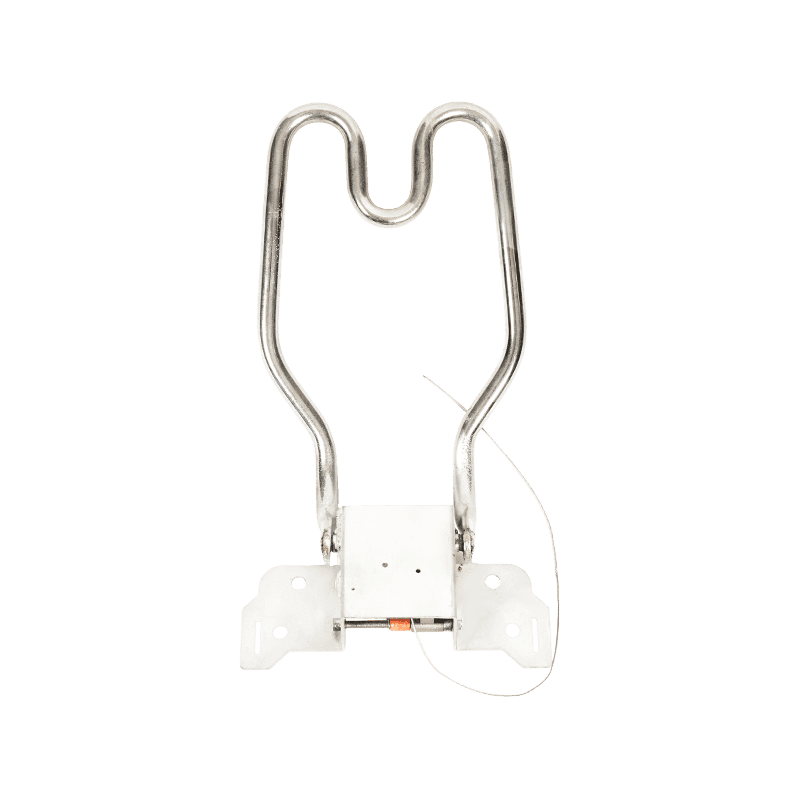
The headrest range includes chrome-plated steel stay rods, adjustable internal frames, cable-controlled 90-degree folding mechanisms, and multi-angle adjustable headrest frames. These components locate the headrest in the correct position relative to the occupant’s head and support anti-whiplash functions in modern seat systems.
Quality Validation and Manufacturing Control
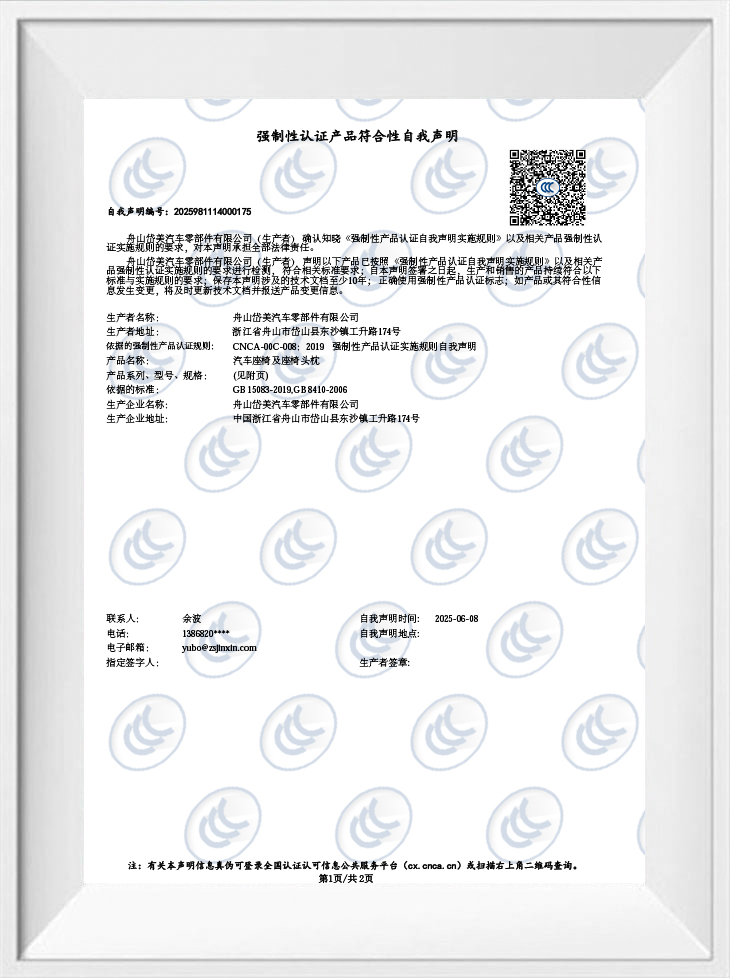
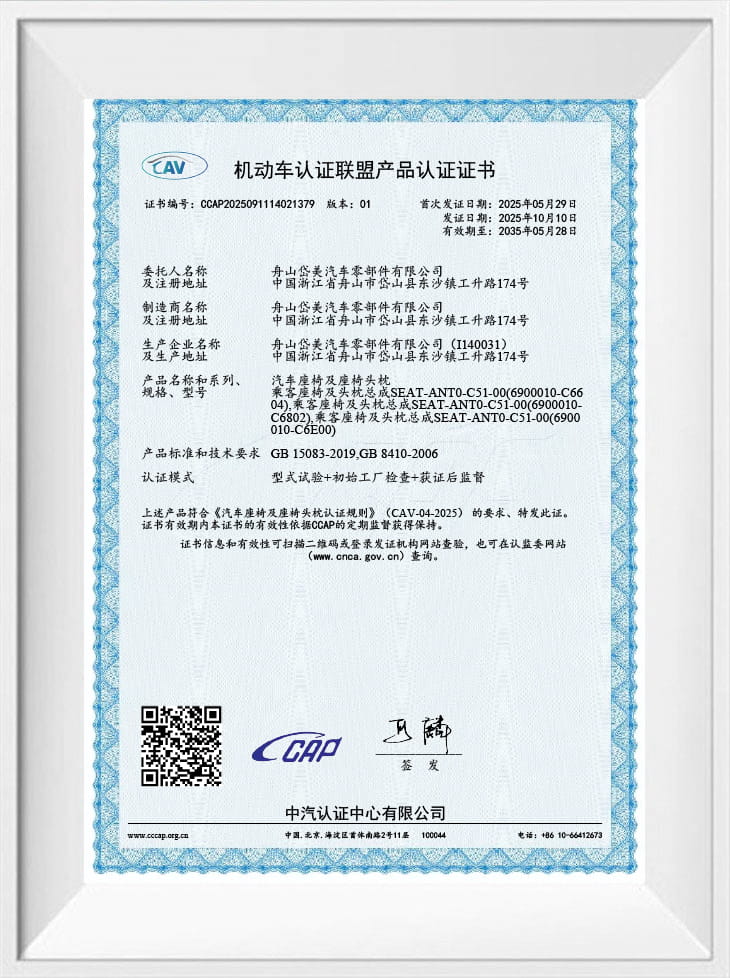
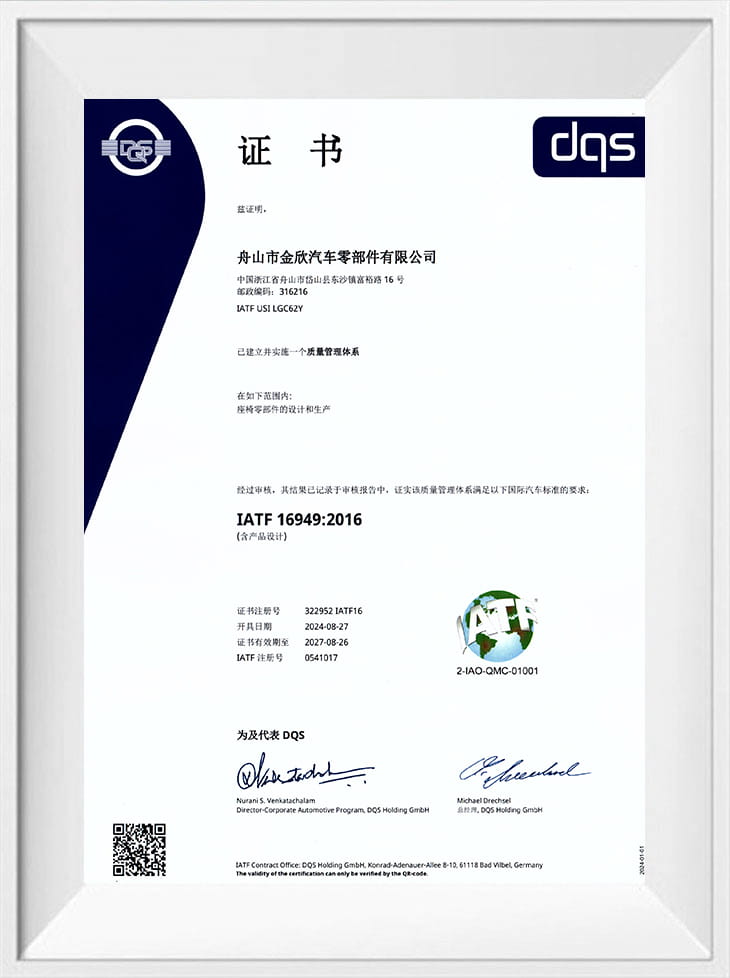
We manufacture seat frame assemblies under a quality system certified to IATF 16949:2016, supported by CCC product certification and ISO 14001 environmental management certification. These certificates are part of our commitment to international automotive quality standards, product safety, and sustainable production. Customers are welcome to verify our certificates during supplier evaluation.
Frame assemblies are verified through a validation system covering static strength, dynamic crash simulation, fatigue durability, and corrosion resistance. Static strength tests subject the frame to forward loading exceeding 20 kN. Fatigue testing runs more than 200,000 cycles to confirm that no crack initiation occurs under repeated design loads. Corrosion testing includes more than 500 hours of salt spray exposure. After welding, complete frame assemblies undergo CMM dimensional verification at 47 critical measurement points, and SPC statistical process control maintains a process capability index CpK consistently above 1.67.
The same engineering logic that applies to metal frames also applies to the tactile and comfort layers. Our molded foam capability produces automotive molded seat foam, headrest and armrest molded foam, neck and lumbar support foam, and integral skin foam. This allows us to quote not only the bare metal frame but a complete seat structure ready for trim assembly.
OEM and ODM Project Support
Working with us as OEM automotive seat frame suppliers means connecting your program to a development and production team that has delivered seat structures for global vehicle platforms. We support the following project stages:
- Design review and feasibility analysis: our engineering team reviews customer drawings or CAD data, checks forming and welding feasibility, and suggests alternative materials or joining methods.
- Prototype builds: we produce sample frames for initial fit-up, static strength checks, and early vehicle installation trials.
- Validation support: we coordinate or execute frame-level tests including static loading, fatigue cycling, and corrosion exposure.
- Mass production: we manage stamping, welding, surface treatment, and sub-assembly under a controlled production quality system.
- Continuous monitoring: SPC and regular audit processes keep the manufacturing process stable and traceable.
For every program, we define the input information needed before tooling commitment: target seat mass, load case envelope, applicable regulations, adjustment mechanism content, mounting interface drawings, and annual volume assumptions. Where full data has not yet been fixed, our team supports early concept development so that the frame design can mature together with the overall seat package.
Applications Across Vehicle Categories
Our seat frame assemblies are used in a wide range of vehicle types:
- Passenger vehicles and electric passenger cars: front and rear seat frames, lightweight structures for range optimization, and frames prepared for motorized and sensor-based seat functions.
- Commercial vehicles and buses: driver and passenger seat frames for trucks, buses, and sanitation vehicles, including air suspension driver seat platforms and bunks.
- Specialty vehicles: seat structures for ambulances and other specialized cabins requiring protective padding and escort seat mounting.
- ATV and off-road vehicles: seat frames and replacement cushion interfaces for utility vehicles and sightseeing carts.
- Public seating and cinema: premium recliners and waiting area seats where frame strength supports reclining mechanisms and continuous public use.
This breadth of application experience helps us transfer structural solutions across segments. A lightweight backrest design developed for an electric passenger car may inform a weight-sensitive ATV seat frame; a heavy-duty commercial vehicle seat structure may share joining methods with a specialty vehicle program. The result is a practical engineering approach that reduces risk for each new seat frame assembly.
Frame Module Selection Guide
| Frame module | Typical variants | Material and forming approach | Key engineering focus |
|---|---|---|---|
| Front backrest frame | Manual reclining; electric adjustable | QSTE500 hot-stamped side plates; tube cross-members; aluminum upper bridge | Crash load path, recliner interface, headrest guides, airbag brackets |
| Front cushion frame | Manual height-adjustable; power with integrated slide rail | High-strength steel stampings; AM60B die-cast seat pan option; welded motor brackets | Occupant weight transfer, forward load resistance, slide rail and motor integration |
| Rear cushion frame | 60/40 split; full bench | Steel stamping and welding; lightweight aluminum lateral supports | Body mounting geometry, folding and access mechanisms |
| Rear backrest frame | Passenger vehicle rear rows | High-strength steel; structural adhesive for attachment areas | Fold/recline function, latch interfaces, child seat anchor points |
| Armrest internal frame | Rear center armrest; front side-mounted armrest | Steel or welded reinforcement structures | Bending torque resistance, foam adhesion, hinge alignment |
| Headrest frame and stay rod | Chrome-plated stay rods; adjustable internal frames; cable-controlled folding; multi-angle | Steel rod, formed plate frames, surface chrome plating | Height adjustment, anti-whiplash positioning, trim cover fit |
Frequently Asked Questions
What information do you need to quote a custom seat frame assembly?
To prepare an accurate quotation, our engineering team needs the expected vehicle platform, seat type, applicable regulations, target weight, and the packaging of functions such as recliners, motors, heating and ventilation brackets, airbag brackets, and belt anchors. If a full CAD model is available, we can review forming, welding, and assembly feasibility directly. Where data is not yet defined, we can support early concept development based on your seating package.
Can you supply only the metal frame without foam or trim?
Yes, we supply bare seat frame assemblies as a standalone product. Many customers source metal frames from us and complete foam and trim in their own facility. We can also supply a fully assembled seat structure including molded foam and headrest or armrest components, depending on the project requirement.
What frame weight reduction can be achieved compared with an all-steel design?
Using a multi-material hybrid design with high-strength steel in the main load paths, aluminum in lateral structures, and magnesium die-cast parts where integration is beneficial, the total frame weight can typically be controlled to 7–9 kg compared with 10–15 kg for a conventional all-steel frame. The actual reduction depends on the seat size, load requirements, and functional content. The final target is confirmed with engineering analysis for each program.
How do you validate the strength and durability of seat frame assemblies?
Validation includes static strength testing with forward loading exceeding 20 kN, dynamic crash simulation, fatigue testing beyond 200,000 cycles, and more than 500 hours of salt spray corrosion testing. The complete frame assembly is checked using CMM measurement at 47 critical points, with SPC ensuring a process capability index CpK above 1.67.
Do you support international OEM quality requirements?
Yes. Our quality management system is certified to IATF 16949:2016, and our production also holds China Compulsory Certification (CCC) and ISO 14001. We have supplied seat components to Dongfeng, Lear, Geely, and other global OEMs. We can provide certificates for verification during supplier evaluation.
Discuss Your Seat Frame Program With Our Engineering Team
Whether you are developing a new electric vehicle seat platform, localizing a global seat frame, or optimizing the weight and cost of an existing structure, Zhoushan Jinxin Auto Parts Co., Ltd. can support your project. Send us your drawings, load cases, and program timing to receive a feasibility review and quotation from our seat frame engineering and production team.
