 English
 русский
 Français
 Español
 Português
 عربى

A front head restraint that measures 760 mm above the H-point can still fail the geometry check that decides whiplash outcomes, because height is on...
READ MOREProduct Classification
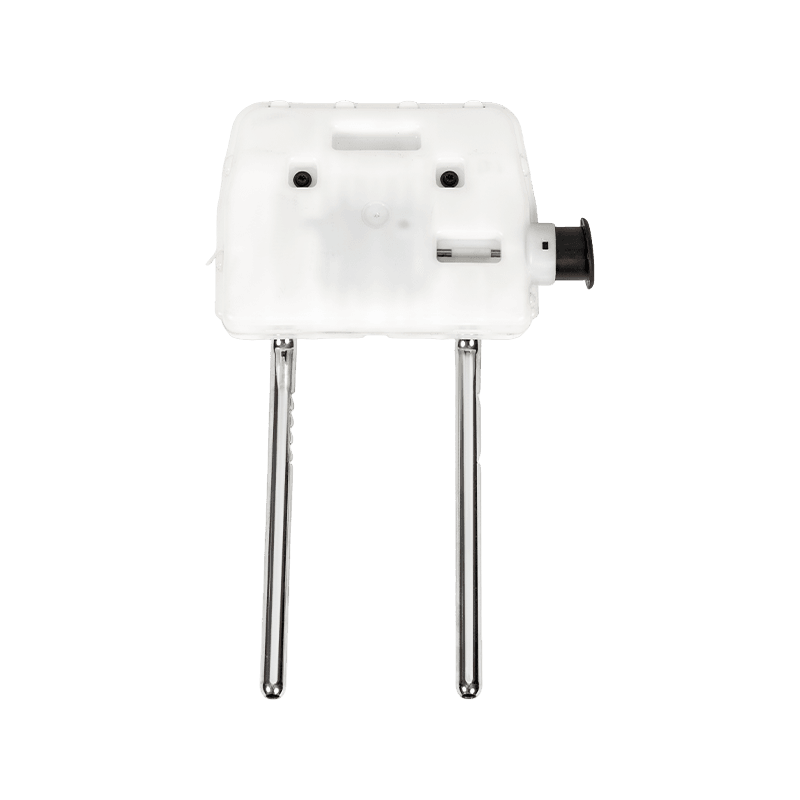
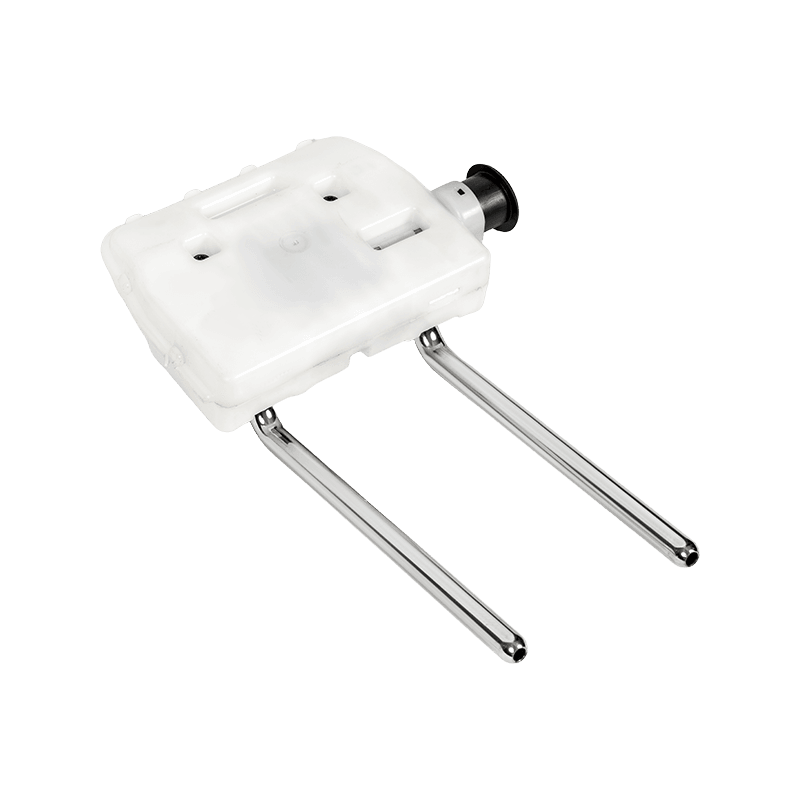
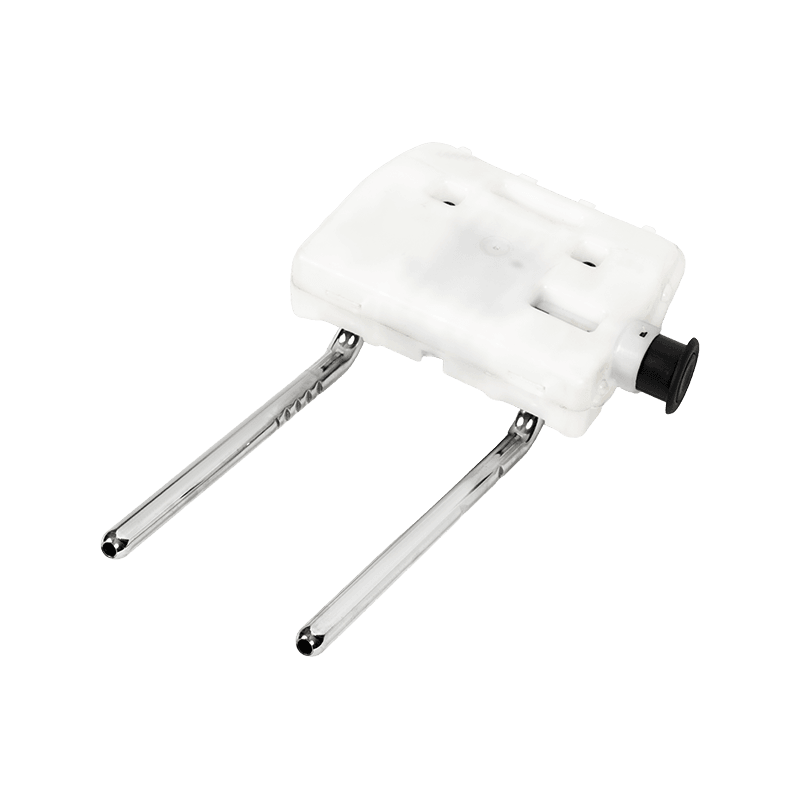
Automotive Adjustable Seat Headrest Internal Frame Assembly
This assembly serves as the core internal support frame for multi-functional adjustable vehicle seat headrests. Constructed from chrome-plated hollow steel stay rods, engineered plastic housing shells, and built-in dual locking mechanisms, it integrates vertical height elevation and forward/backward tilt adjustments into two sets of locking systems. Mounted inside the headrest foam matrix, it provides height notch locking and tilt angle adjustment for front and rear seats in mid-to-high-end passenger vehicles, optimizing head support positioning, reducing rear-end whiplash risks, and improving overall riding comfort.
-
Vertical Elevation Stroke
70 to 110 mm with standard 5 to 8 mechanical notch locking positions.
Tilt Angle Adjustment
Forward 5 to 15 degrees, backward 0 to 8 degrees with stepless or multi-stage locking.
Locking Reliability
Maintains height and tilt angle without slipping or loosening under full head pressure and rough road vibration conditions; Locking mechanism resists unhooking and structural failure under rear-end impact loads.
Vertical Elevation
10000 cycles or higher of notch insertion tests with zero slot collapse or slippage.
Tilt Angle Adjustment
8000 cycles or higher of press-release swiveling without ratchet or gear wear failure.
Environmental Adaptability
Operating range -40 to 90 degrees C high/low temperature cycles, interior cabin moisture, and sun exposure; Plastic parts remain non-brittle, plating layer free from peeling, and mechanism lubricant performance stays stable; Zero resonance noise after complete assembly.
Assembly Weight
Single set headrest frame assembly weighs approximately 150 to 220 g.
Recommended Products
Premium Seat Components – Trusted Since 2000

Zhoushan Jinxin Auto Parts Co., Ltd. (est. 2000) is leading China Automotive Adjustable Seat Headrest Internal Frame Assembly suppliers and OEM/ODM Automotive Adjustable Seat Headrest Internal Frame Assembly company, specializes in polyurethane foam, seat frames, and headrest frames for automotive seating. Supplying Dongfeng, Lear, Geely and other global OEMs. Annual sales ~RMB 150M.
-
0 YearsIndustry experience
-
0 +Technical staff
-
0 ㎡Factory area
Certificate Of Honor
News
-
-
A neck support program rarely fails on the drawing. It fails in the lab, when a molded cushion that felt perfect on the first prototype returns from...
READ MORE -
A head restraint that misses the 55 mm backset limit by six millimetres fails exactly as hard as one that misses it by thirty. On most seat programm...
READ MORE -
Long-haul fleet seat returns tell the same story every time: a seat that looks ergonomic on paper starts generating driver complaints about tailbone...
READ MORE -
A seat cushion pad measured 1.8 mm from its CAD contour at the supplier was rejected at 4.2 mm during receiving inspection. The material was identic...
READ MORE -
Most drivers never think about the metal structure hidden inside their seat armrest. Yet every time they rest an elbow, shift position during a long ...
READ MORE
Message Feedback

Copyright © Zhoushan Jinxin Auto Parts Co., Ltd. All Rights Reserved.
Wholesale Automotive Adjustable Seat Headrest Internal Frame Assembly Suppliers
