 English
 русский
 Français
 Español
 Português
 عربى

A front head restraint that measures 760 mm above the H-point can still fail the geometry check that decides whiplash outcomes, because height is on...
READ MOREProduct Classification
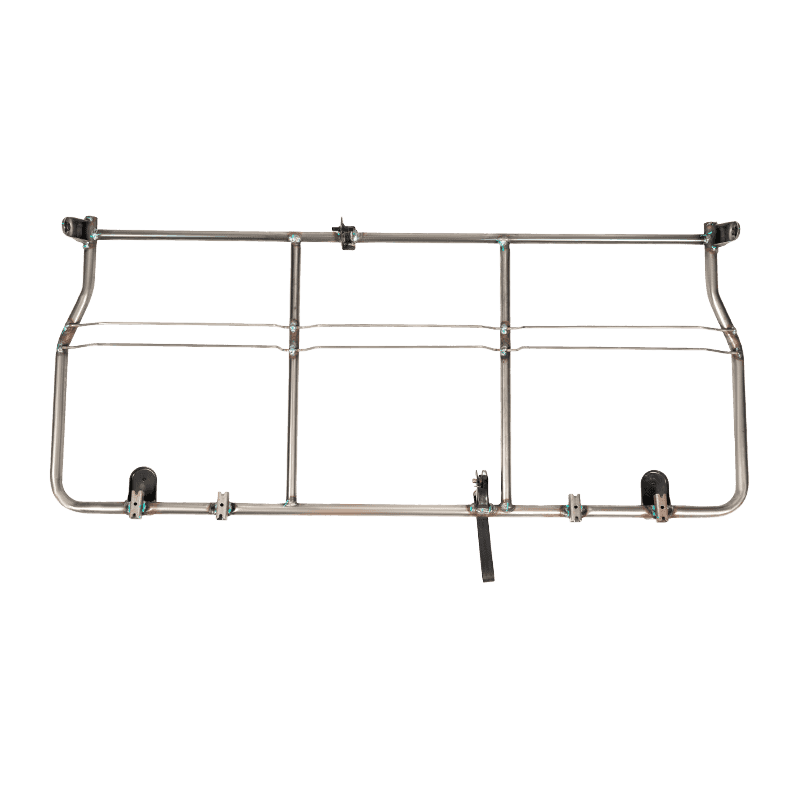
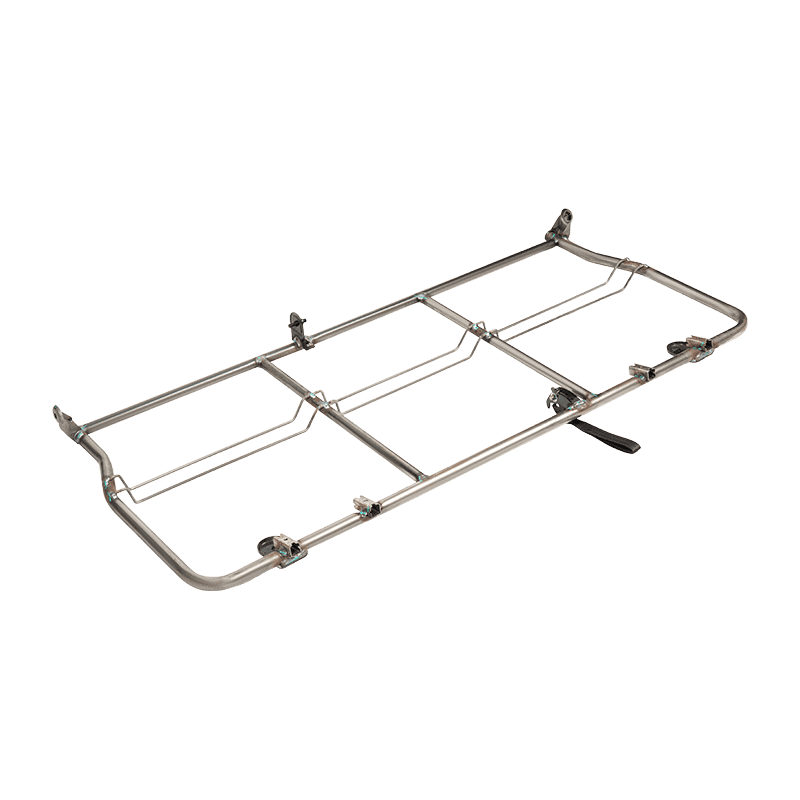
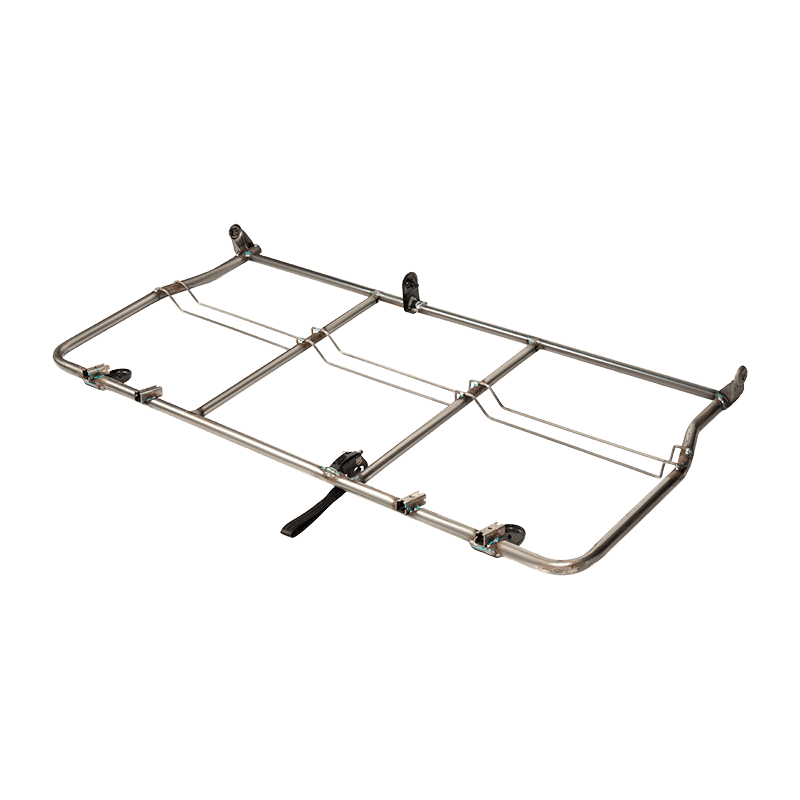
Automotive Rear Backrest Steel Frame Assembly for Passenger Vehicles
This product is a dedicated steel support frame assembly for one-piece rear seat backrests in passenger vehicles. Serving as the primary load-bearing foundation for rear backrest foam and upholstery, it pairs with the previously mentioned 60/40 split rear cushion frame to assemble a complete rear seating system. Relying on its robust frame structure, it supports rear occupant back loads while working with locking catches to enable backrest fold-down and retention. It is widely suitable for standard one-piece rear backrests in sedans, SUVs, and MPVs, fulfilling both passenger support and trunk space expansion functions.
-
Main Frame & Reinforcing Steel Tubes
Q235 cold-rolled steel tubing, wall thickness 1.2 to 1.4 mm; Full immersion electro-coating anti-rust treatment; Neutral salt spray test 480 hours or higher; Long-term anti-rust and anti-corrosion performance in humid cabin environments without rusting or peeling.
Buffer & Anti-Vibration Sleeves
EPDM weather-resistant rubber material; Resistant to high and low temperatures, aging, and ozone; Long-term use in 70 degrees C humid-heat environments without cracking, hardening, or falling off.
Welding Process
CO2 full-penetration welding; Weld joints ground, rust-proofed, and passivated; High weld strength with zero false welds or detachment risks.
-
Key Features & Selling Points:
- Reinforced Steel Construction: Built with electro-coated Q235 steel tubing (1.2 to 1.4 mm wall thickness) and CO2 full-penetration welding, withstanding over 480 hours of neutral salt spray testing for exceptional durability.
- Versatile Structural Compatibility: Features an integrated three-zone reinforced backrest frame structure designed for full rear backrests, fully compatible with 60/40 split cushion frames and allowing single-side backrest fold-down.
- 90-Degree Fold-Down Capability: Folds down smoothly from an upright operating position to a fully flat orientation at approximately 90 degrees to extend trunk cargo volume.
- Secure Mechanical Lock Engagement: Works with mechanical latch hooks to eliminate shaking, play, or rattling noise during bumpy road travel once locked.
- Cable-Actuated Remote Release: Utilizes a cable pull-handle remote unlocking system, ensuring quick, effort-free operation.
Recommended Products
Premium Seat Components – Trusted Since 2000

Zhoushan Jinxin Auto Parts Co., Ltd. (est. 2000) is leading China Automotive Rear Backrest Steel Frame Assembly for Passenger Vehicles suppliers and OEM/ODM Automotive Rear Backrest Steel Frame Assembly for Passenger Vehicles company, specializes in polyurethane foam, seat frames, and headrest frames for automotive seating. Supplying Dongfeng, Lear, Geely and other global OEMs. Annual sales ~RMB 150M.
-
0 YearsIndustry experience
-
0 +Technical staff
-
0 ㎡Factory area
Certificate Of Honor
News
-
-
A neck support program rarely fails on the drawing. It fails in the lab, when a molded cushion that felt perfect on the first prototype returns from...
READ MORE -
A head restraint that misses the 55 mm backset limit by six millimetres fails exactly as hard as one that misses it by thirty. On most seat programm...
READ MORE -
Long-haul fleet seat returns tell the same story every time: a seat that looks ergonomic on paper starts generating driver complaints about tailbone...
READ MORE -
A seat cushion pad measured 1.8 mm from its CAD contour at the supplier was rejected at 4.2 mm during receiving inspection. The material was identic...
READ MORE -
Most drivers never think about the metal structure hidden inside their seat armrest. Yet every time they rest an elbow, shift position during a long ...
READ MORE
Message Feedback

Copyright © Zhoushan Jinxin Auto Parts Co., Ltd. All Rights Reserved.
Wholesale Automotive Rear Backrest Steel Frame Assembly for Passenger Vehicles Suppliers
