 English
 русский
 Français
 Español
 Português
 عربى

A front head restraint that measures 760 mm above the H-point can still fail the geometry check that decides whiplash outcomes, because height is on...
READ MOREProduct Classification
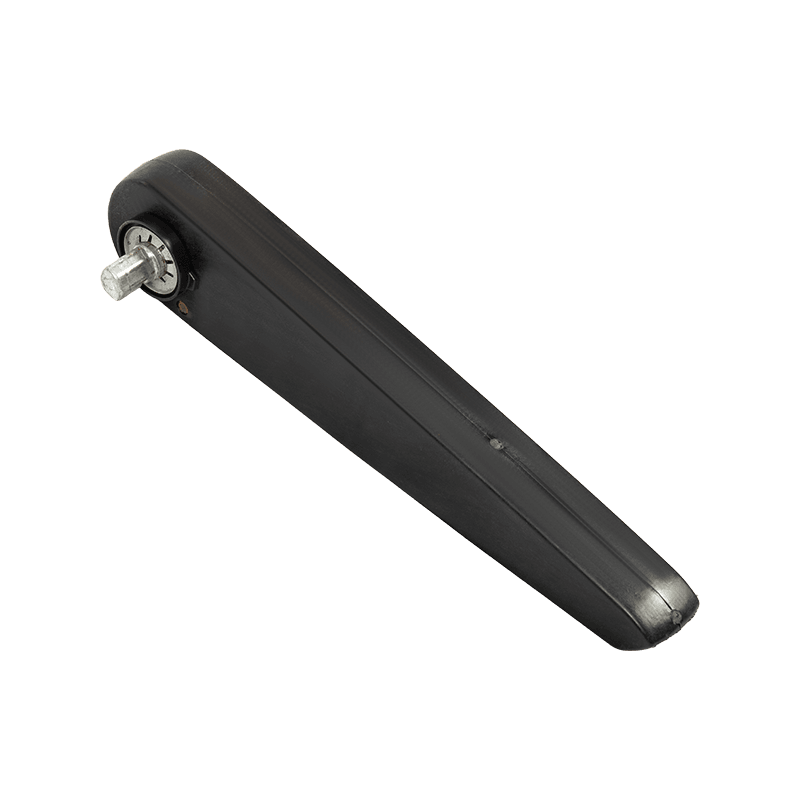
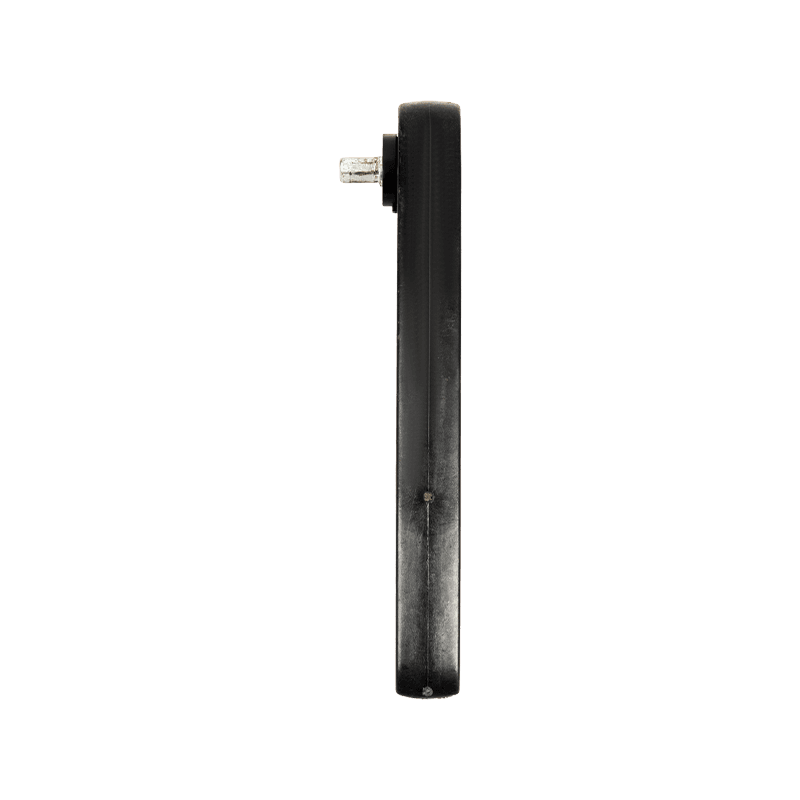
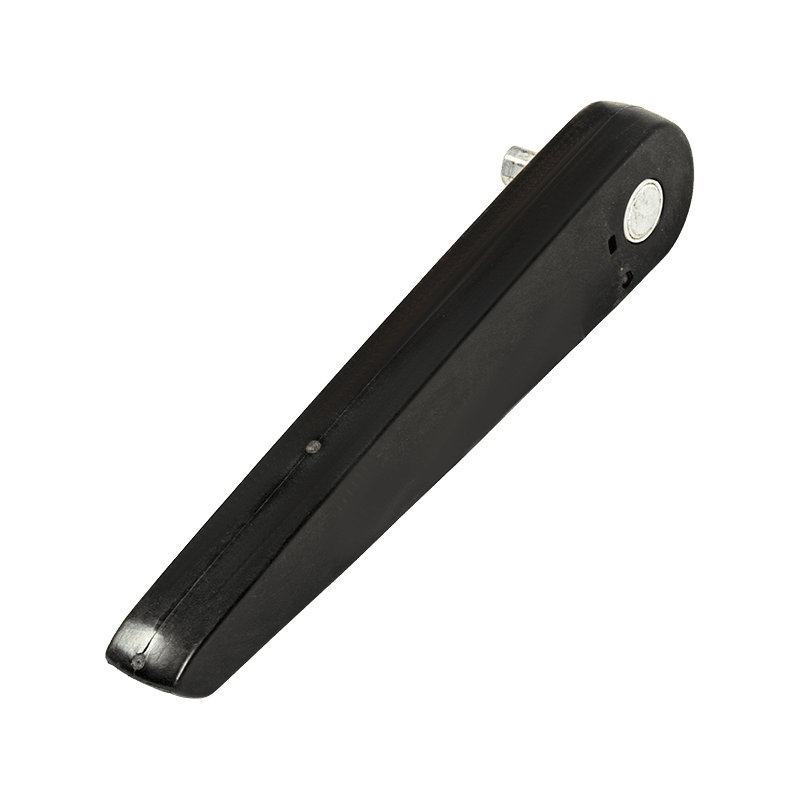
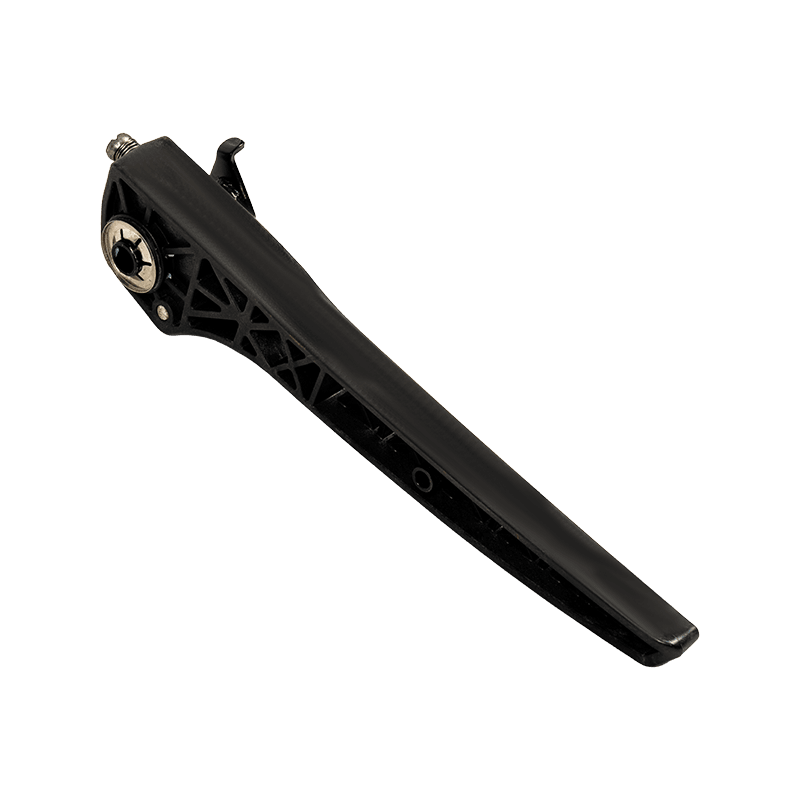
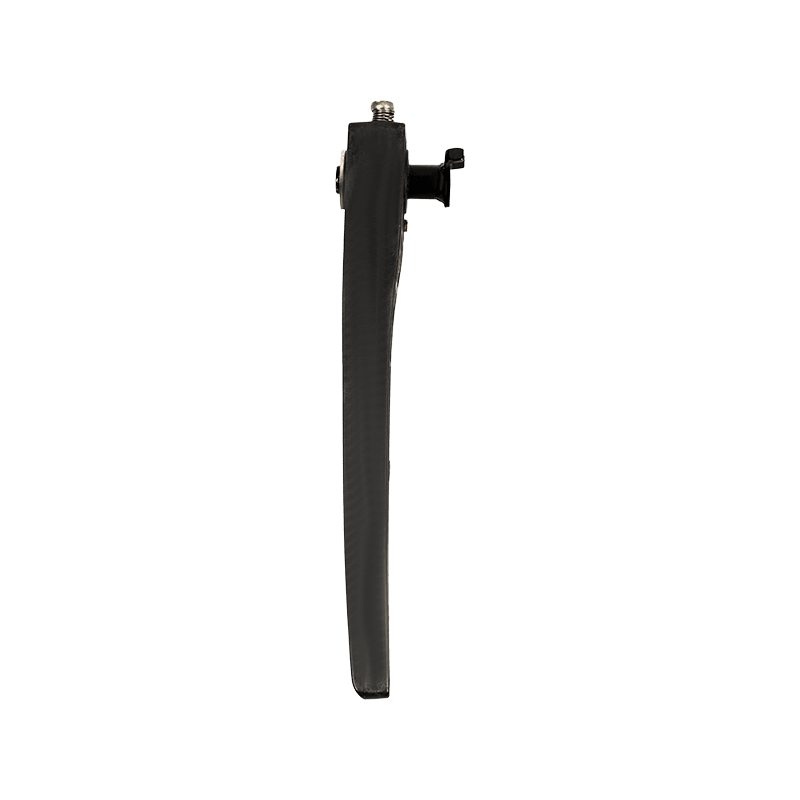
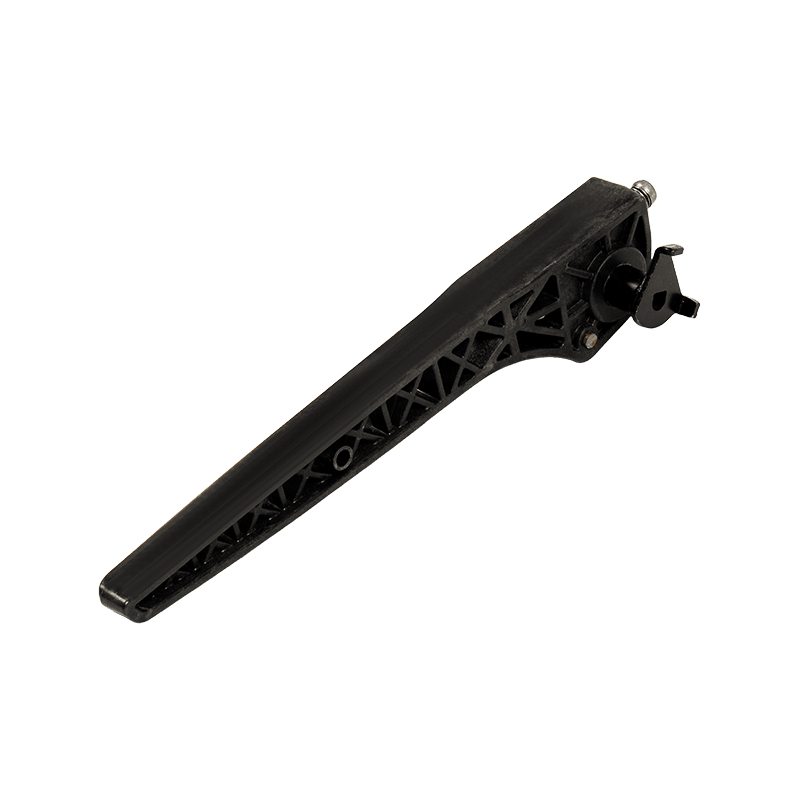
Automotive Front Seat Side-Mounted Armrest Internal Support Frame Assembly
This component serves as the core internal support frame for side-mounted front seat armrests in passenger vehicles. Molded as a high-strength integrated plastic structure, it embeds directly inside the PU armrest foam to function as the primary load-bearing matrix. It integrates rotational hinges, angle locking devices, and flip limit stops, enabling the armrest to fold upward out of the way, lower into a supportive position, and lock across multiple inclination angles. Designed to relieve upper-body fatigue during long-distance driving, it fits driver and passenger independent seat armrests in passenger vehicles.
-
Mechanical Load-Bearing Performance
Maintains rated static load at the horizontal operating position with zero permanent bending or plastic deformation; Resists long-term arm pressure without sagging.
Opening & Closing Durability
10000 cycles or higher of flip-unlock and angle-adjustment testing; Hinge remains free of loosening; Ratchet pawls exhibit zero wear or slippage; Prevents automatic drooping or shaking on bumpy roads.
Downward Operating Range
Multi-position notch locking to match comfortable arm support angles for occupants of various heights.
Upward Stowing Position
Can be flipped fully upright and locked into place.
Environmental Adaptability
Operating range -40 to 90 degrees C; Coating layer remains free from cracking or shedding; Internal spring tension stays stable without mechanism jamming or noise; No internal rust or friction noise when embedded inside foam.
Recommended Products
Premium Seat Components – Trusted Since 2000

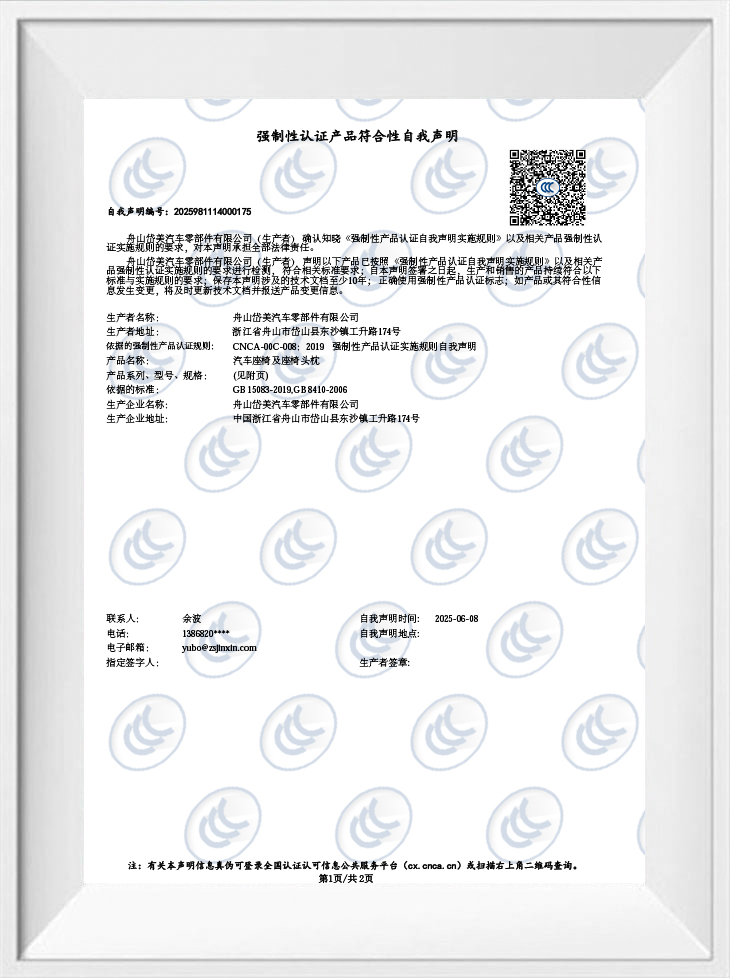
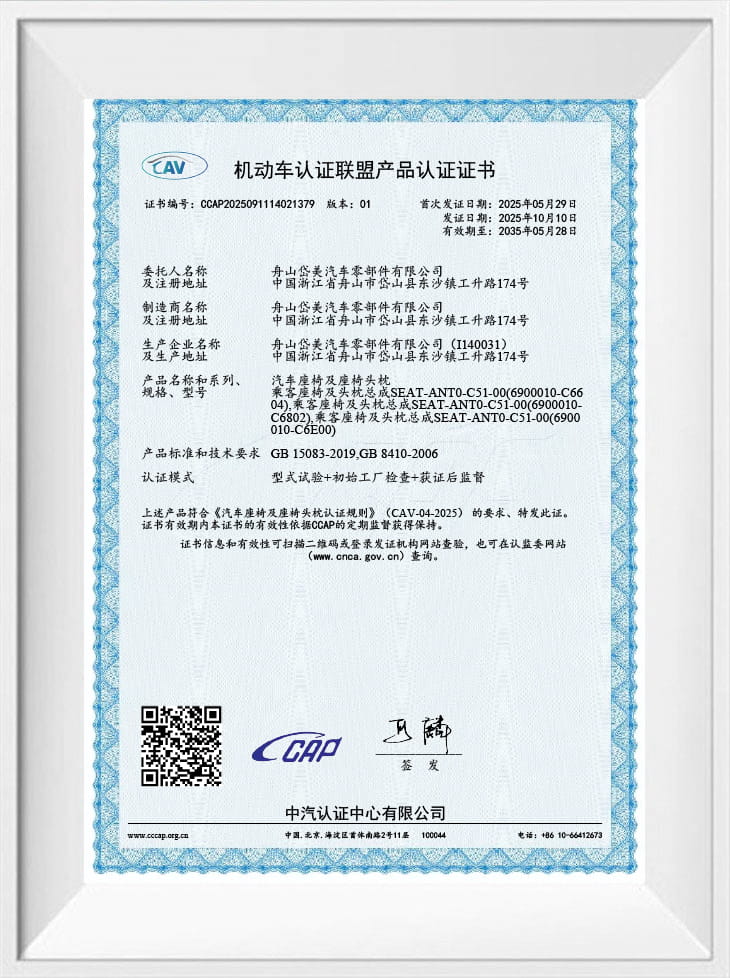
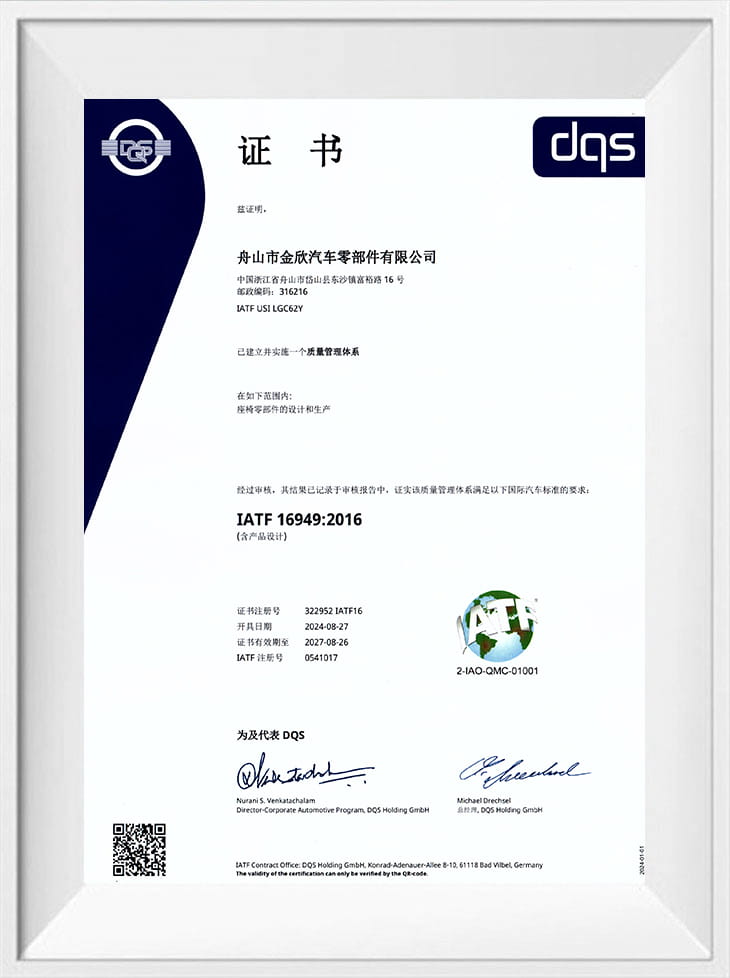
Zhoushan Jinxin Auto Parts Co., Ltd. (est. 2000) is leading China Automotive Front Seat Side-Mounted Armrest Internal Support Frame Assembly suppliers and OEM/ODM Automotive Front Seat Side-Mounted Armrest Internal Support Frame Assembly company, specializes in polyurethane foam, seat frames, and headrest frames for automotive seating. Supplying Dongfeng, Lear, Geely and other global OEMs. Annual sales ~RMB 150M.
-
0 YearsIndustry experience
-
0 +Technical staff
-
0 ㎡Factory area
Certificate Of Honor
News
-
-
A neck support program rarely fails on the drawing. It fails in the lab, when a molded cushion that felt perfect on the first prototype returns from...
READ MORE -
A head restraint that misses the 55 mm backset limit by six millimetres fails exactly as hard as one that misses it by thirty. On most seat programm...
READ MORE -
Long-haul fleet seat returns tell the same story every time: a seat that looks ergonomic on paper starts generating driver complaints about tailbone...
READ MORE -
A seat cushion pad measured 1.8 mm from its CAD contour at the supplier was rejected at 4.2 mm during receiving inspection. The material was identic...
READ MORE -
Most drivers never think about the metal structure hidden inside their seat armrest. Yet every time they rest an elbow, shift position during a long ...
READ MORE
Message Feedback

Copyright © Zhoushan Jinxin Auto Parts Co., Ltd. All Rights Reserved.
Wholesale Automotive Front Seat Side-Mounted Armrest Internal Support Frame Assembly Suppliers
