 English
 русский
 Français
 Español
 Português
 عربى

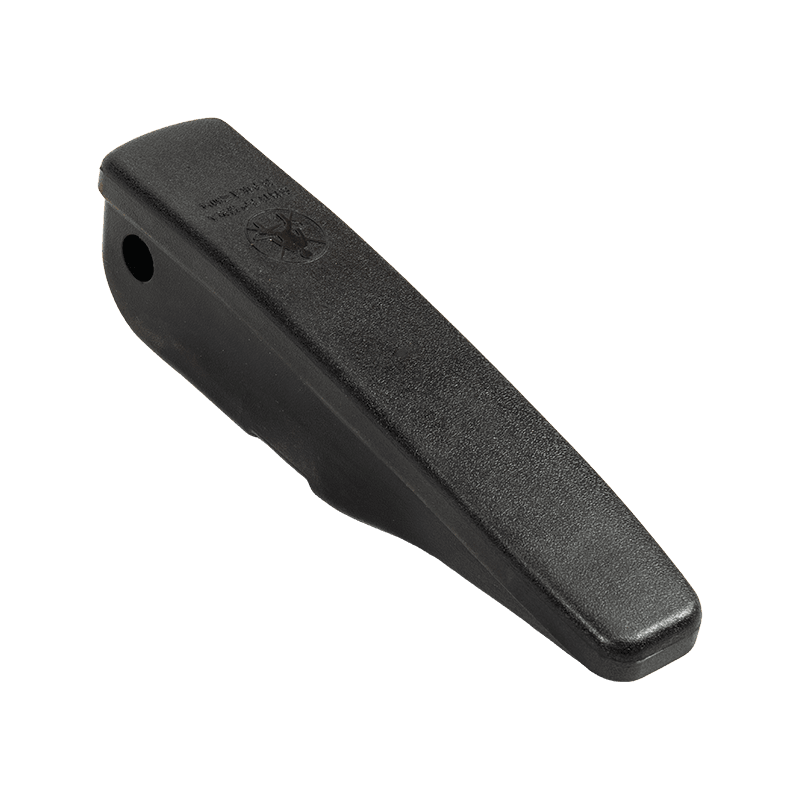
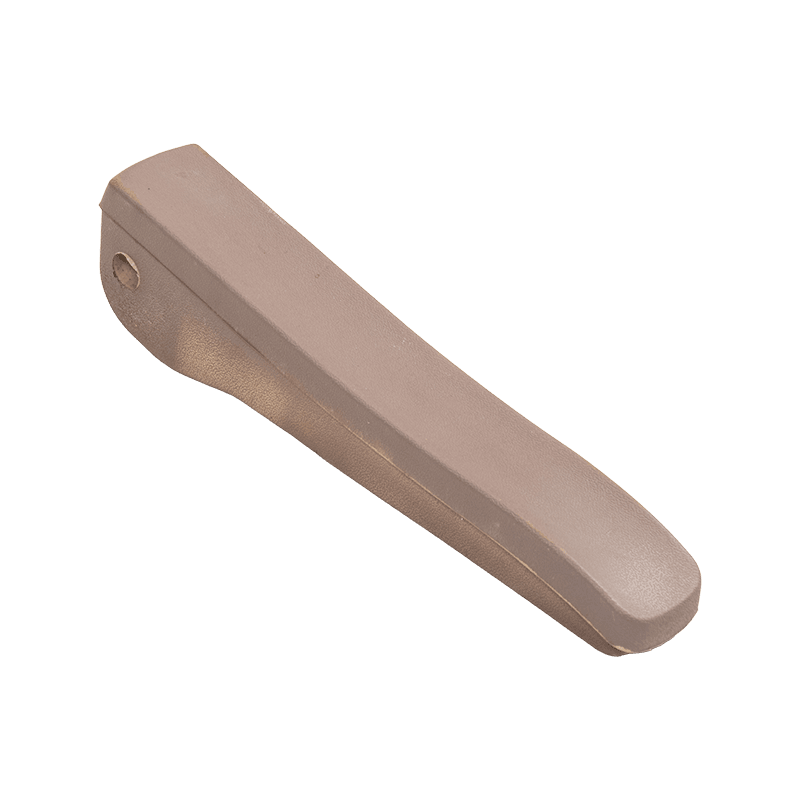
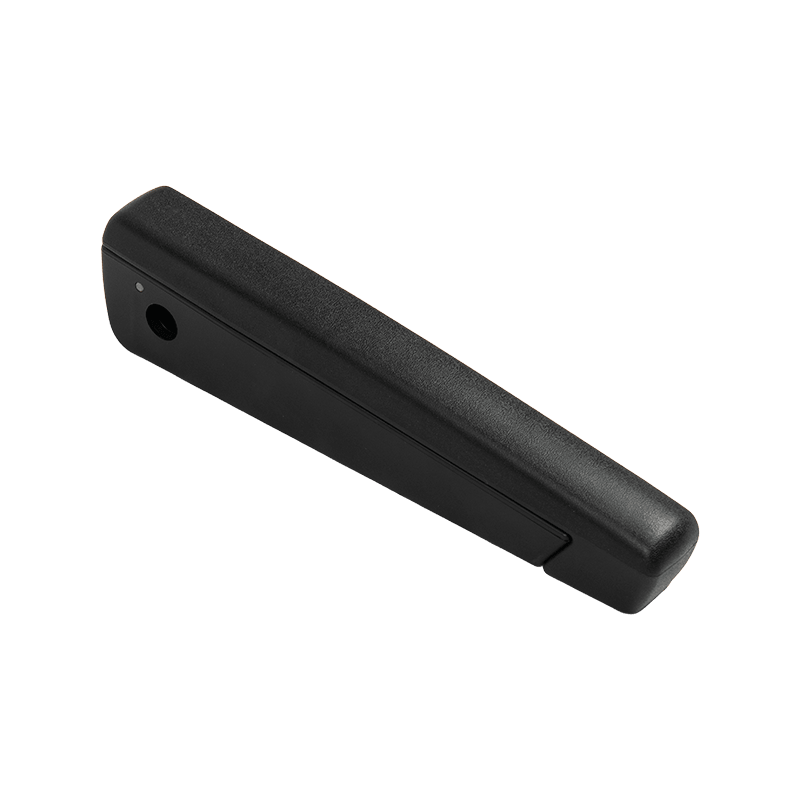
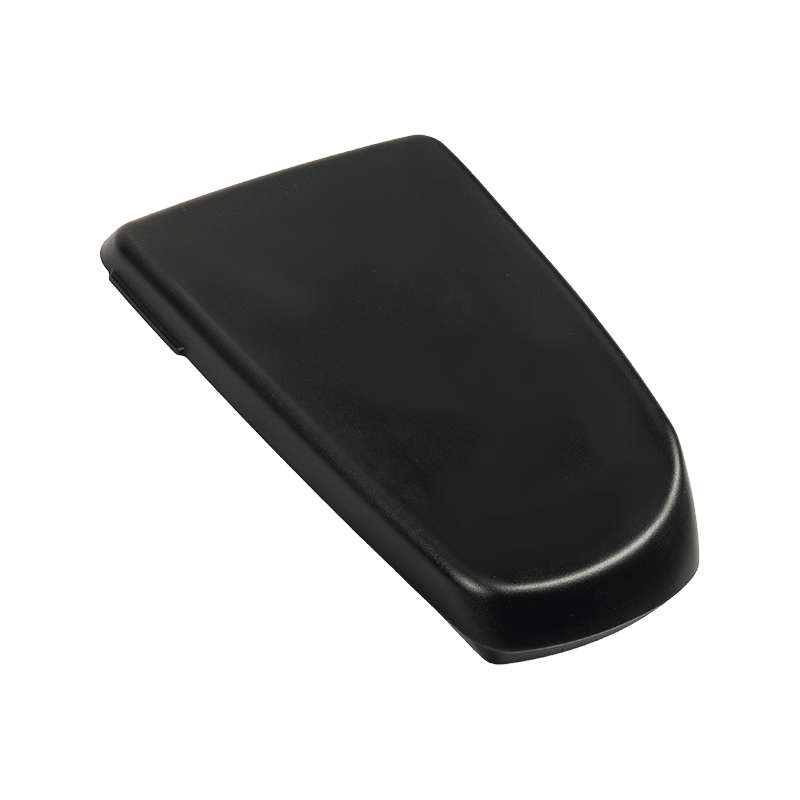
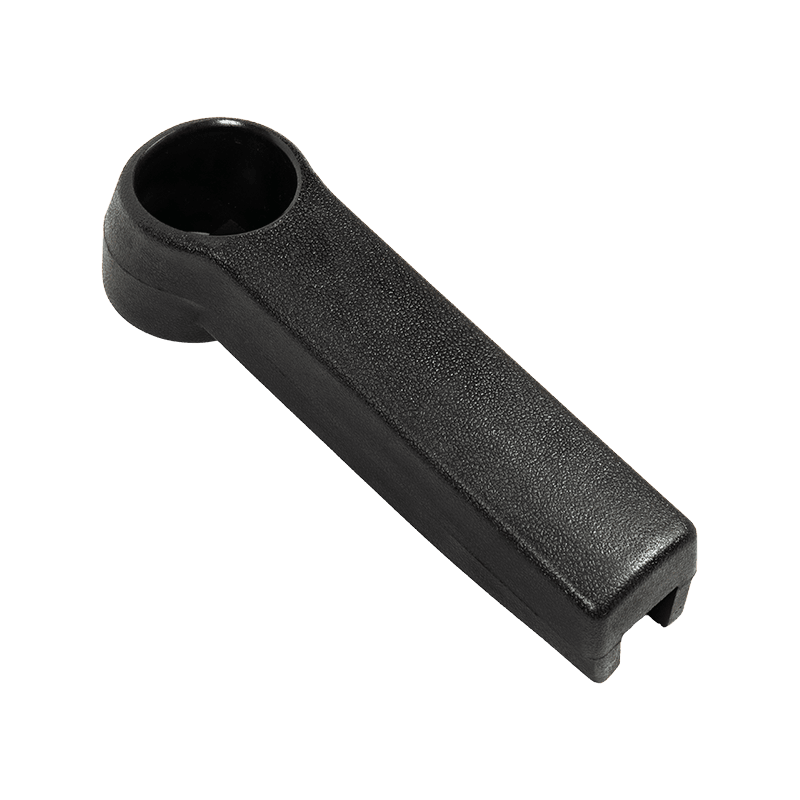
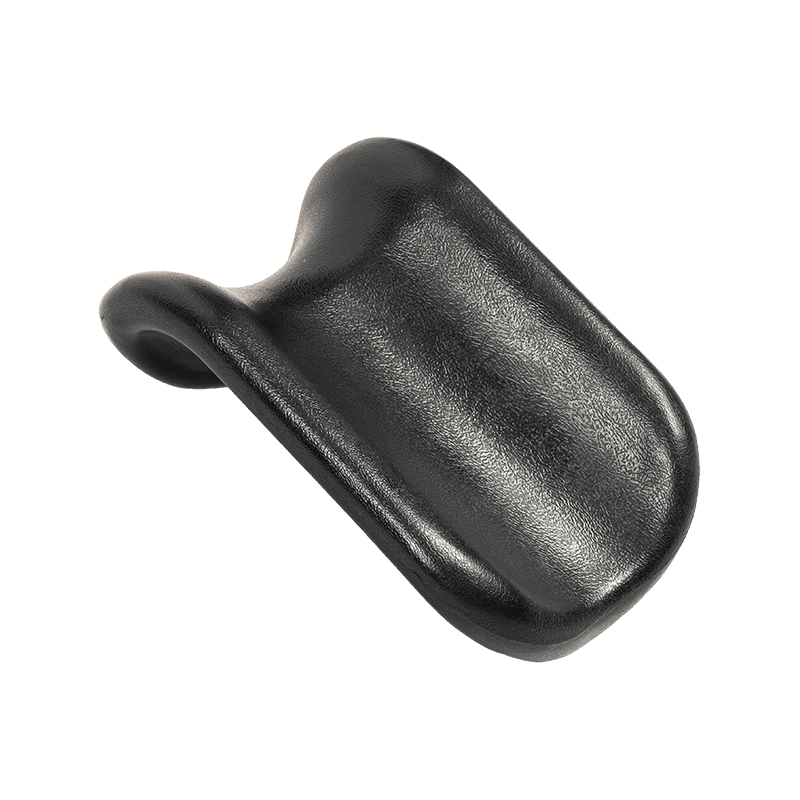
A front head restraint that measures 760 mm above the H-point can still fail the geometry check that decides whiplash outcomes, because height is only one of three numbers in play. The other two are backset, the horizo...
READ MOREAutomotive Molded Foam Suppliers
Molded Foam is the core technology for automotive seat comfort, determining the tactile feel, support characteristics, and long-term durability of the seat. Automotive seat foam materials primarily utilize polyurethane (PU), which is reaction-molded in closed molds via a cold-cure molding process to form seat cushion and backrest components with precise geometry and density distribution. The technical core of molded foam lies in the delicate balance of formulation design and process control: the ratio of polyols to isocyanates determines the cross-linking density and hardness of the foam, the catalyst system controls the rate matching between the foaming and gel reactions, and the selection of physical or chemical blowing agents influences the foam density and cell structure. Modern automotive seat foaming has evolved from traditional single-density, single-hardness processes to multi-density zoning technology—utilizing multi-channel mixing heads to inject reaction mixtures of different formulations into different areas within the same mold, achieving a gradient hardness distribution that is soft in the seat center (38-45 kg/m³) and firm on the side bolsters (55-65 kg/m³), with no subsequent adhesive assembly required. Integral Skin Foam is another key technology that utilizes a temperature gradient on the mold surface to inhibit the surface foaming reaction, forming an integrated structure with a dense, non-porous skin and a porous core, widely applied to interior components such as steering wheels, armrests, and headrests that require direct exposure and combine aesthetics with durability. Environmental requirements for foam materials in the industry are becoming increasingly stringent; low-VOC formulations, bio-based polyol substitution, and all-water foaming technology are the three major development directions. A complete production line for molded foam can achieve an annual capacity of over 2 million units, with individual molding cycles controlled between 4 and 8 minutes, and dimensional accuracy verified through online 3D laser profiler inspection to ensure a CpK value consistently above 1.67.
Premium Seat Components – Trusted Since 2000

Zhoushan Jinxin Auto Parts Co., Ltd. (est. 2000) is famous China Automotive Molded Foam Suppliers and molded polyurethane foam company, specializes in polyurethane foam, seat frames, and headrest frames for automotive seating. Supplying Dongfeng, Lear, Geely and other global OEMs. Annual sales ~RMB 150M.
-
0 YearsIndustry experience
-
0 +Technical staff
-
0 ㎡Factory area
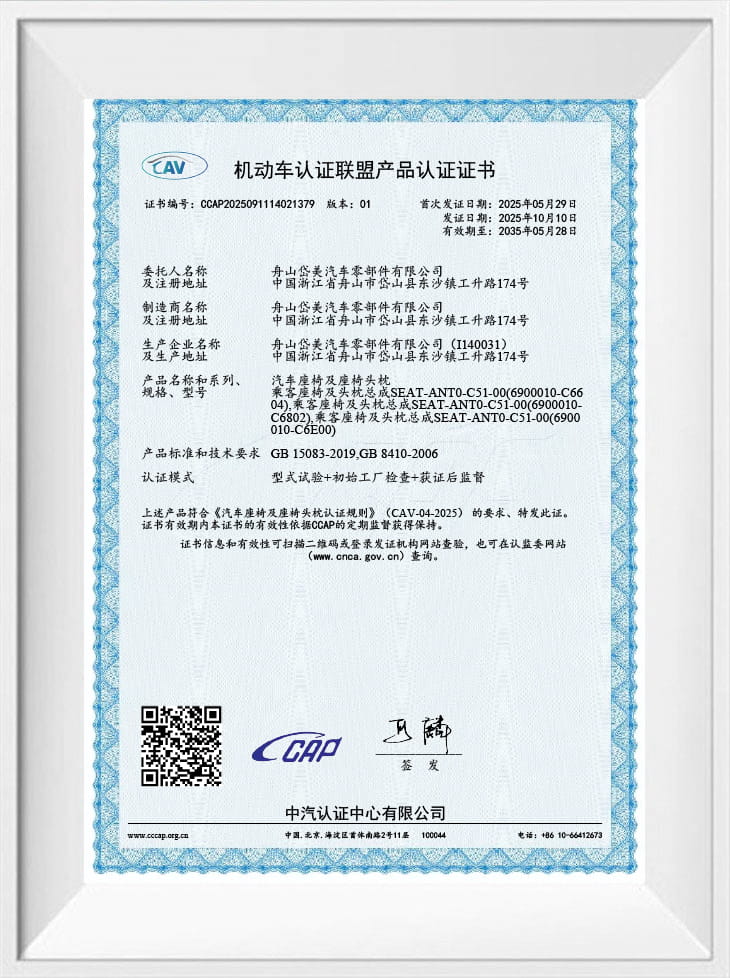
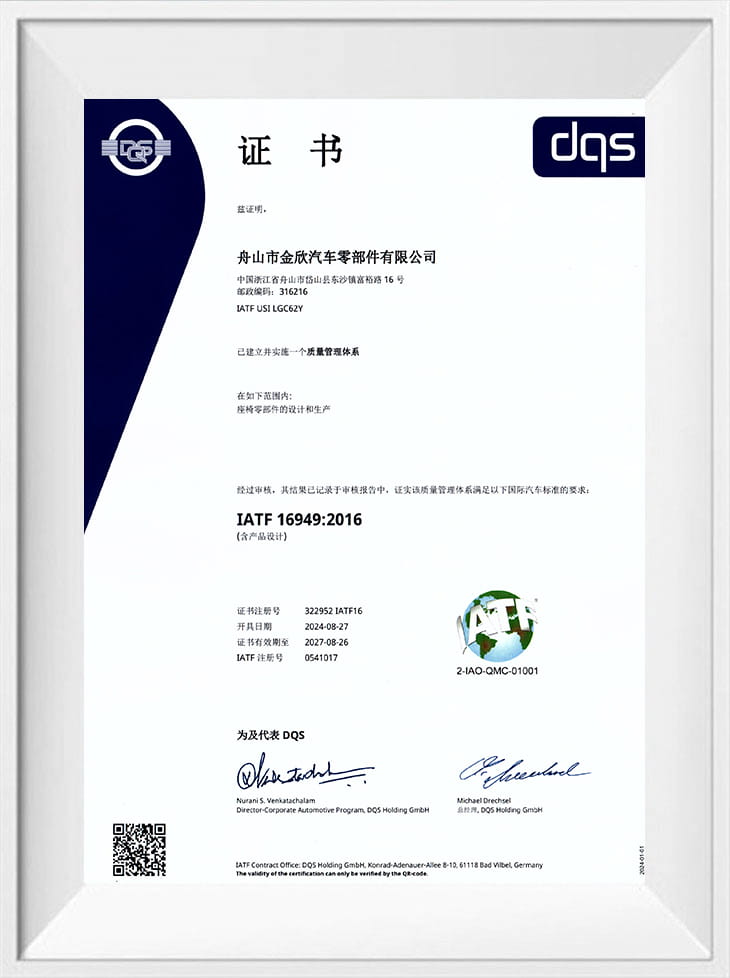
Certificate Of Honor
News
-
-
A neck support program rarely fails on the drawing. It fails in the lab, when a molded cushion that felt perfect on the first prototype returns from a 22-hour compression set test at 70 C with a 17 percent thickness lo...
READ MORE -
A head restraint that misses the 55 mm backset limit by six millimetres fails exactly as hard as one that misses it by thirty. On most seat programmes that last six millimetres is not a frame problem and not a trim pro...
READ MORE -
Long-haul fleet seat returns tell the same story every time: a seat that looks ergonomic on paper starts generating driver complaints about tailbone pressure and lower-back burning within months, because the foam insid...
READ MORE
Message Feedback
Molded Foam Industry knowledge

Copyright © Zhoushan Jinxin Auto Parts Co., Ltd. All Rights Reserved.
Custom Automotive Molded Polyurethane Foam Suppliers
