 English
 русский
 Français
 Español
 Português
 عربى

High Strength Automotive Seat Frame Assembly | Materials, Design & Manufacturing
2026-10-22
Content
Every automotive seat starts with something passengers rarely see: the frame. It supports the body, carries the loads, and gives the seat its structural identity. A high strength automotive seat frame assembly is more than a few stamped steel parts welded together. It is a carefully engineered structure that ties safety, comfort, durability, and weight into one package.
At Zhoushan Jinxin Auto Parts Co., Ltd., we have spent more than twenty years designing, testing, and manufacturing seat components for global OEMs, Tier suppliers, and seating system makers. Along the way, we have learned what separates a good frame from a great one. In this article, we walk through the materials, design loads, manufacturing steps, and quality considerations that go into a high strength seat frame assembly built for real production.
What Is a High Strength Automotive Seat Frame Assembly?
A seat frame assembly is the load-bearing skeleton of the seat. It supports the cushion and backrest, connects the seat to the vehicle floor, and anchors every mechanism that makes the seat adjustable and safe. A typical frame assembly contains several subassemblies, each with a specific job:
- Cushion frame: carries most of the occupant weight and provides the interface with the seat track.
- Backrest frame: gives the seatback its shape and stiffness and supports the lumbar system and side airbag.
- Recliner plates and brackets: transfer torque between the cushion and backrest.
- Headrest guides and stay rods: position the head restraint and manage whiplash loads.
- Armrest brackets and trim attachments: support convenience features and finish panels.
All of these parts work as one system. When we talk about high strength, we are not only talking about the steel grade. We are talking about how the whole assembly distributes load from one component to the next, and how it behaves over years of service.
Materials That Define the Strength
The starting point of any high strength automotive seat frame assembly is material selection. Seat structures have moved well beyond the mild steel of early designs. Today's frames combine several families of steel to balance cost, weight, and crash performance.
| Material family | Typical yield strength (MPa) | Typical use in seat frames |
|---|---|---|
| Mild steel | 200 to 300 | Brackets, small reinforcements |
| High strength steel (HSS) | 300 to 550 | Main rails, side members |
| Advanced high strength steel (AHSS) | 550 to 1,000 | Crash-critical load paths |
| Press-hardened steel (PHS) | 1,300 and above | Compact, high-load parts |
Choosing the right grade is a balance. A stronger steel allows a thinner gauge, which cuts mass. But high strength materials require different stamping and welding conditions, and small process changes can influence the final performance. We match the grade and gauge to the actual load cases of each seat rather than applying one material everywhere.
Design Principles and Safety Standards
Seat frame design is governed by safety standards that vary by market. In North America, FMVSS 207 and 210 define static seat strength and seat belt anchorage requirements. In Europe and many other regions, ECE R17 covers seat strength, head restraints, and luggage retention. Chinese national standards align closely with these global practices, which means most platforms share a common set of engineering fundamentals.
Load cases worth designing for
- Static strength: the seat back and track must withstand defined forces without separation or failure.
- Head restraint performance: rearward displacement must be limited to reduce whiplash risk.
- Luggage retention: rear seat backrests must restrain luggage loads in a frontal impact.
- Dynamic sled tests: validate the complete seat assembly in a simulated collision.
Good frame design defines clear load paths early. We typically start with the cushion and backrest side members, then place cross-tubes, reinforcement plates, and weld seams where they add stiffness without adding mass. For a closer look at this logic, we wrote about structural design and lightweight optimization in automotive seat frames, covering how part shapes evolve through development.
Manufacturing a High Strength Frame
A design only becomes a real component when the manufacturing process can hold the tolerances. High strength steel demands process discipline at every step.
- Material preparation: coils are slit, blanks are cut, and edges are prepared for forming.
- Forming: parts are stamped or roll formed into their final shape.
- Joining: robotic MIG and resistance spot welding assemble the substructure.
- Dimensional control: dedicated fixtures and CMM checks verify critical points.
- Surface protection: anti-corrosion treatment is applied where required.
- Sub-assembly: adjusters, studs, guides, and small brackets are attached.
Most of these steps happen internally at JX Seat. Vertical integration means shorter feedback loops. If a customer asks for a gauge change or a welded bracket to move, engineering and production teams can talk directly and adjust quickly, without waiting on external suppliers.
Seat Frame Assemblies in Production
High strength seat frame assemblies show up in every row of the vehicle, but the priorities differ from front to rear.
Front seat frames
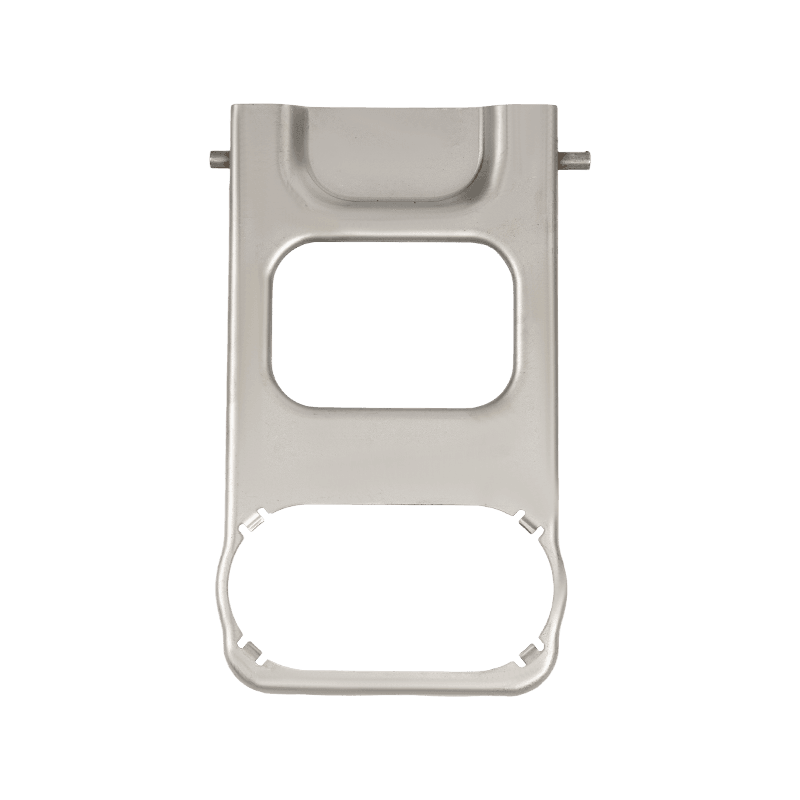
Front seats are the most demanding application. A power-adjust backrest frame must carry the recliner hardware, provide a stable mounting zone for the side airbag canister, and remain stiff through years of daily use. We manufacture a dedicated electric adjustable front seat backrest steel frame assembly for this purpose, with precise mounting points and controlled weld geometry.
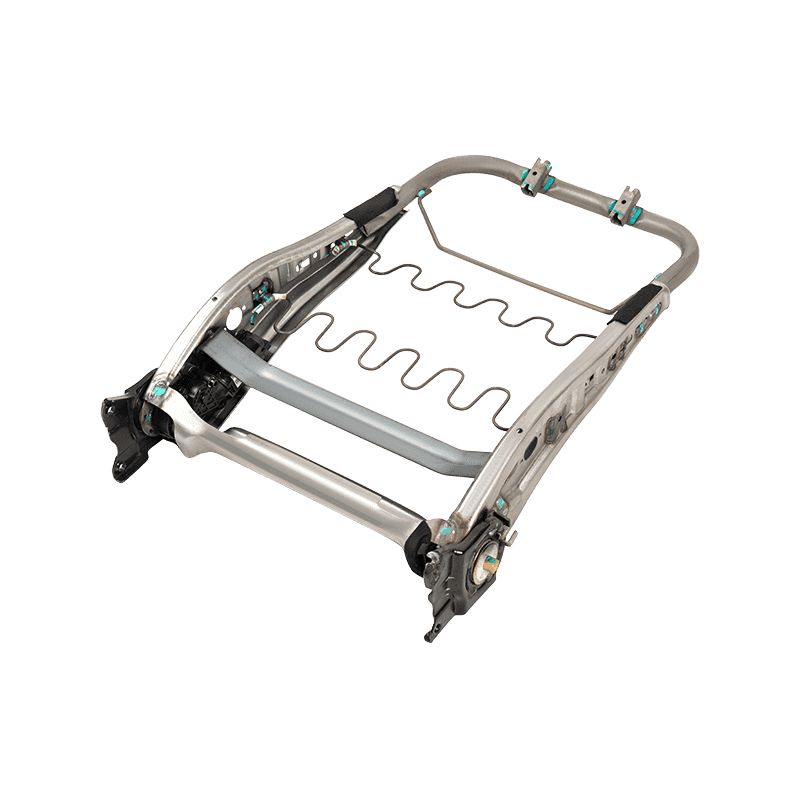 Electric Adjustable Front Seat Backrest Steel Frame AssemblyThis dedicated frame supports recliner hardware and airbag mounting while providing precise geometry. Ideal for power-adjust front seats demanding stiffness and durability.View Product →
The cushion frame works alongside the backrest, supporting the occupant's weight and connecting to the track system. Our program includes power-adjustable front seat cushion steel frame assemblies as well as manual height-adjustable driver seat cushion frames, so a single platform team can cover multiple build configurations.
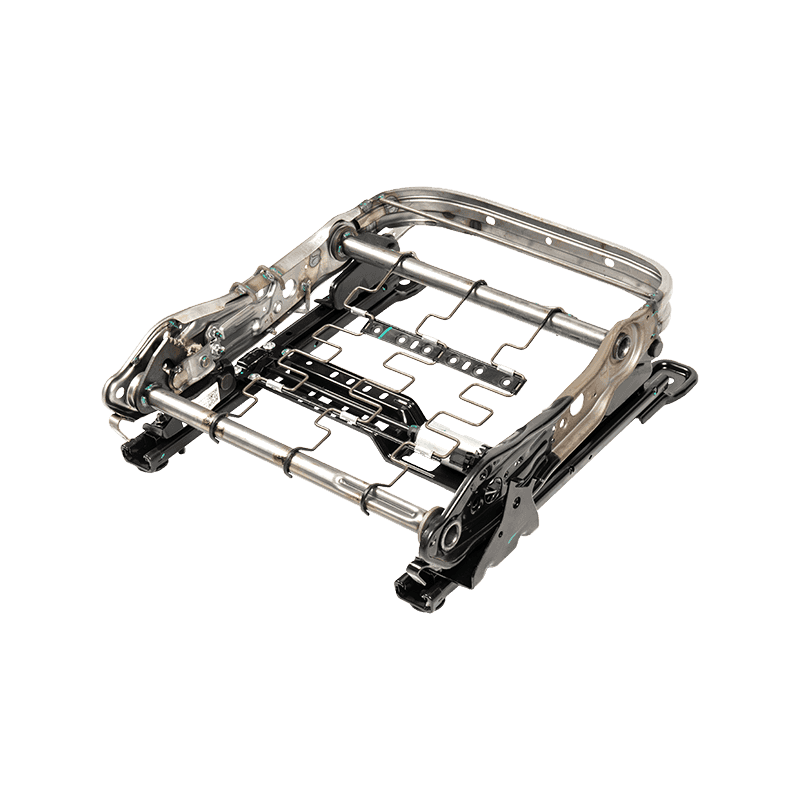 Power Front Seat Cushion Frame with Integrated Slide RailCombining lift motors, tracks, and spring suspension, this cushion frame enables multi-directional adjustment for mid-to-high-end vehicles. Built for OEM and retrofit programs.View Product →
Rear seat frames
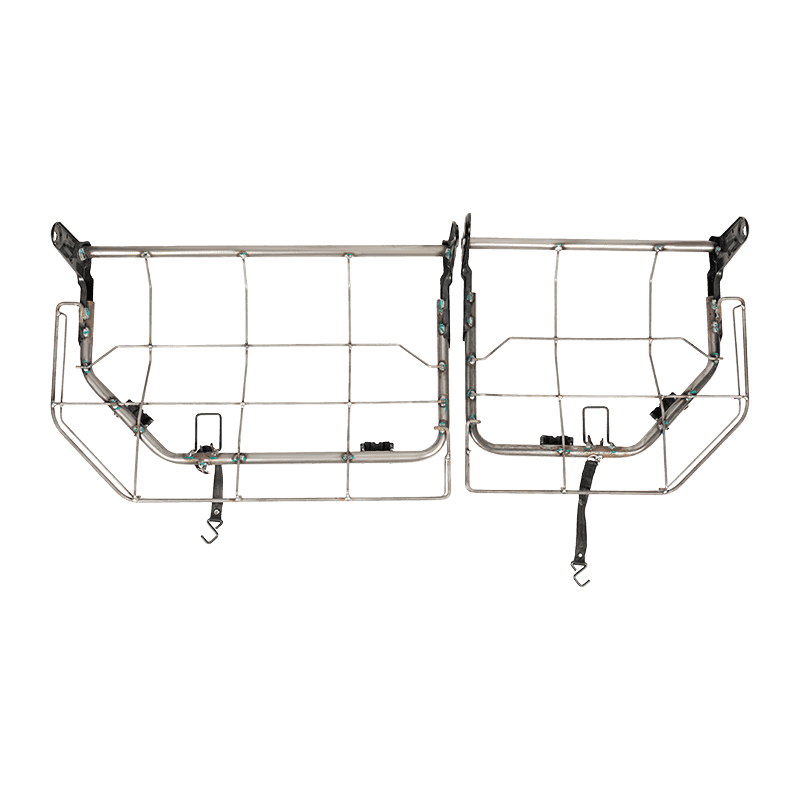
Rear seat frames face different challenges. A 60/40 split cushion frame must keep a low height profile, support the foam pad uniformly, and often carry seat belt latches or ISOFIX brackets. The backrest frame has to manage luggage retention loads while allowing folding or a center armrest.
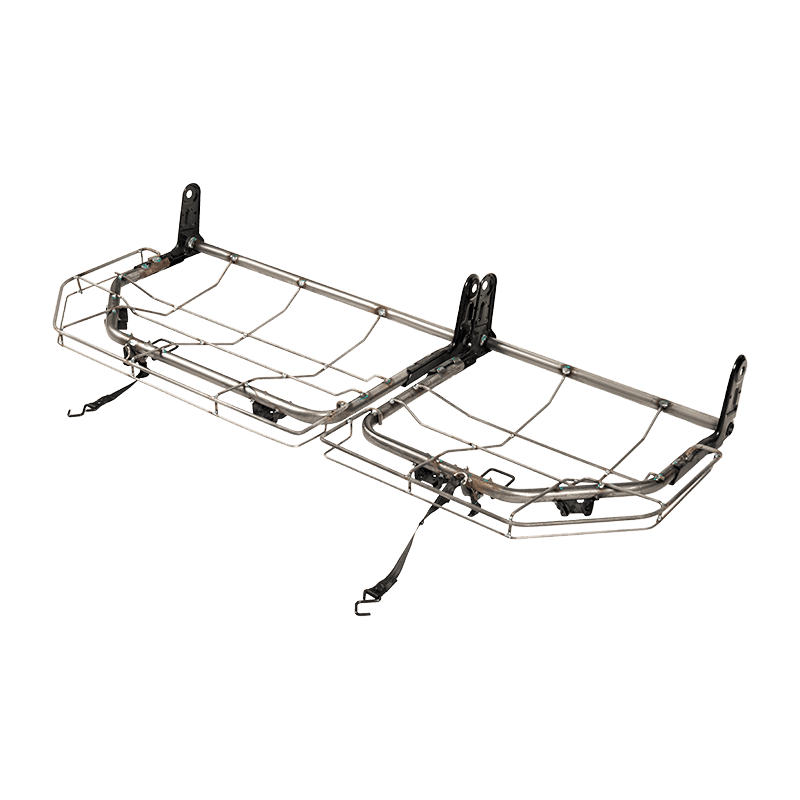 60/40 Split Rear Seat Cushion Steel Frame AssemblyModular independent frame sets allow one-side folding for flexible cargo access. Engineered with corrosion-resistant steel and durable springs for repeated use.View Product →
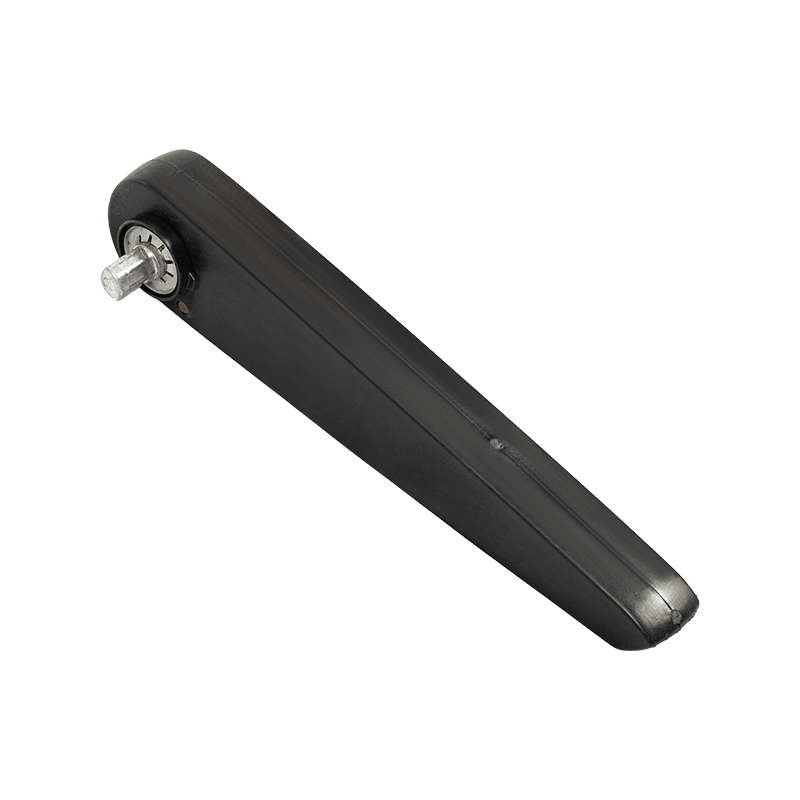
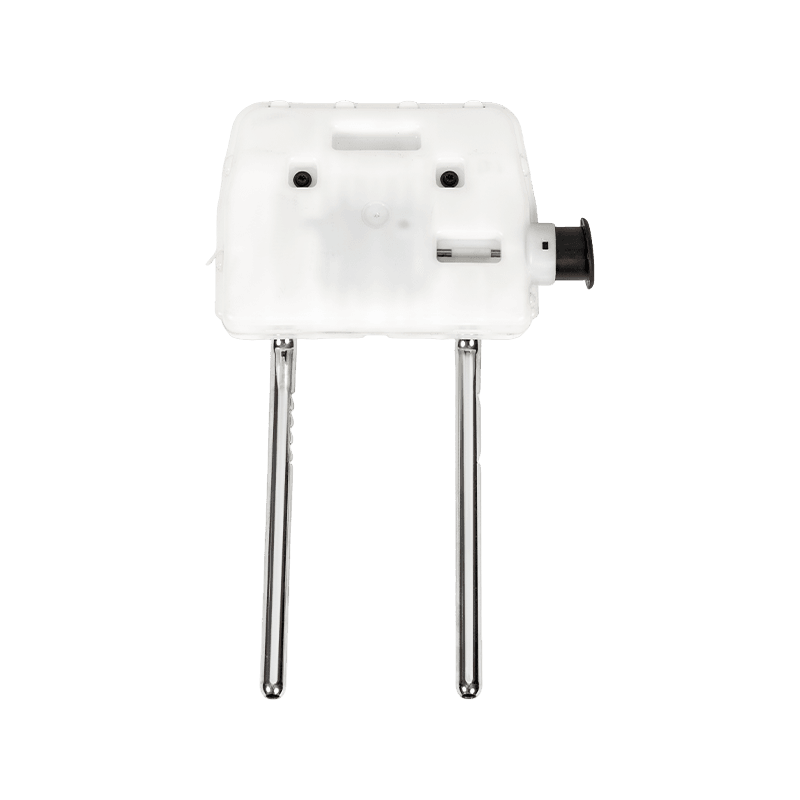
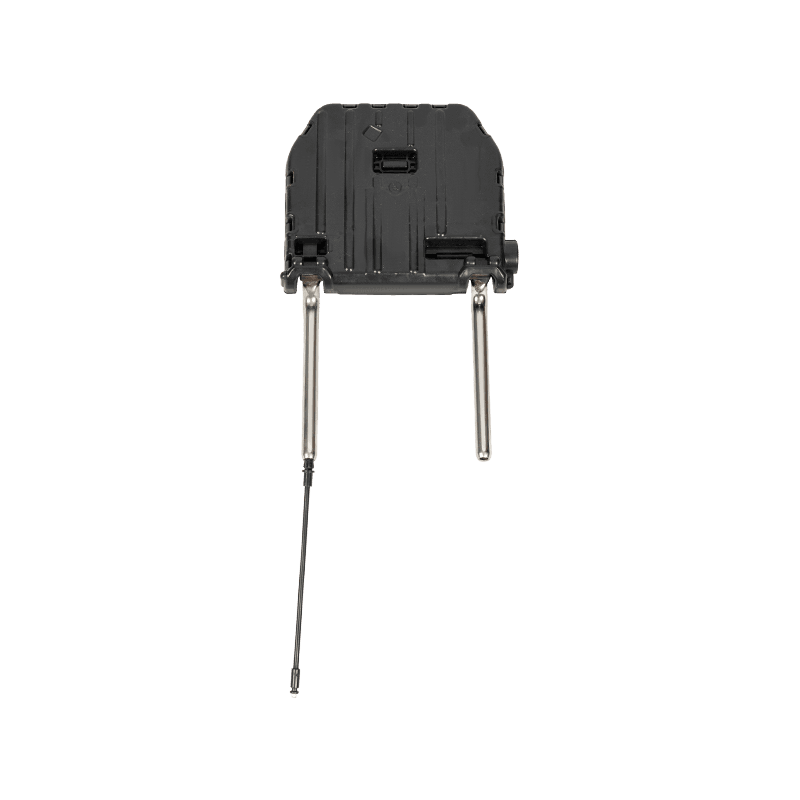
Beyond the main cushion and backrest structures, we also produce headrest internal frames, chrome-plated stay rods, and front and rear armrest support frames. Together, these products cover the full structural content of a modern seat.
Why Experience Matters in Frame Programs
High strength seat frame assembly projects reward experience. Twenty years of working alongside passenger car and commercial vehicle platforms teaches you where weld distortion tends to appear, how a load curve translates into plate thickness, and why a small forming radius can become a durability issue.
We have also learned how to support customers beyond drawings. Whether the project is build-to-print, concurrent engineering, or a fully custom frame, the goal stays the same: deliver a component that is strong, light, and manufacturable at volume. If you want to understand our overall approach, it may help to browse our capabilities and see where seat components fit into the daily work of our factory.
Choosing a Seat Frame Partner
The right partner for a high strength automotive seat frame assembly is one that can handle the entire loop: material selection, design validation, tooling, stamping, welding, testing, and volume delivery. That is how we have structured JX Seat, and it is why our components continue to move from our plant into vehicles around the world.
The details, of course, are where the real work happens. Steel grades, weld schedules, tolerance stacks, test loads, and production rates all need to line up. When they do, the seat frame becomes something you never think about: quiet, strong, and dependable. That is exactly how it should be.

Copyright © Zhoushan Jinxin Auto Parts Co., Ltd. All Rights Reserved.
Custom OEM Car Seat Frame Assembly Suppliers
